














A beard can look full and healthy while the skin beneath it feels tight, itchy or irritated. That is where a well-chosen beard oil for sensitive skin earns its place in your routine. It should do more than add shine to facial hair. The right formula helps soften wiry growth, support the skin barrier and make daily grooming feel comfortable rather than like another trigger.
Sensitive skin is not always obvious. It may show up as persistent dryness, stinging after washing, flakes caught in the beard, redness around the jawline or breakouts along the neck. Often, the issue is not facial hair itself. It is the combination of hot showers, close trimming, harsh cleansers, fragrance-heavy grooming products and a lack of moisture where the beard grows.
Why beard skin needs a different approach
The skin under a beard is easy to overlook. Hair can stop moisturiser reaching the skin evenly, while also trapping sweat, dead skin cells and product residue close to the face. If you shave or tidy up the edges regularly, that skin is also dealing with friction.
A quality beard oil is designed to work through the hair and onto the skin beneath it. Lightweight plant oils can condition coarse strands so they feel less scratchy, while nourishing lipids help reduce the dry, uncomfortable feeling that can lead to scratching. Less scratching means less friction, which is particularly helpful when your skin is already reactive.
There is a balance to strike. An oil that is too rich for your skin or applied too generously can leave the beard greasy and may contribute to congestion around the chin and jaw. Too little oil, or an overly dry formula, may make hair look polished briefly without giving the skin much support. The best routine is the one your skin can tolerate consistently.
What to look for in a beard oil for sensitive skin
Ingredient lists matter most when your skin has a history of reacting. Sensitive skin does not require a complicated formula. In many cases, fewer purposeful ingredients make it easier to understand what is working for you and what may be causing trouble.
Look for naturally nourishing carrier oils that feel comfortable on the face. Jojoba oil is often valued because its feel is similar to skin’s own natural oils, helping it spread easily without a heavy finish. Argan oil is rich yet elegant, and can help soften dry, coarse facial hair. Sweet almond oil can offer cushioning moisture, although anyone with a nut allergy should avoid it. Squalane, derived from plant sources, is another lightweight option that suits many people who dislike an oily residue.
Certified organic ingredients can be a worthwhile choice for those looking to reduce unnecessary exposure to synthetic pesticides and heavily processed inputs. They are not a guarantee that every skin type will respond perfectly, but ingredient quality and transparency make it easier to build a considered routine.
Fragrance deserves extra attention. Natural essential oils can smell beautiful, but natural does not automatically mean non-irritating. Strong concentrations of peppermint, citrus, cinnamon, clove or eucalyptus may be too stimulating for a compromised skin barrier, especially after trimming. If you are prone to redness, dermatitis or stinging, choose an unscented formula or one made with a very low level of gentle aromatic ingredients.
It is also wise to avoid beard oils that rely on drying alcohols, artificial fragrance or an unnecessarily long list of active ingredients. A product does not need to tingle to be effective. For sensitive skin, calm is often the result worth pursuing.
Match the texture to your beard and skin
A short beard usually needs less product than a long or very dense one, but it can still benefit from oil after cleansing. With longer facial hair, the priority is making sure oil reaches the skin rather than sitting only on the surface of the beard.
If your skin is dry or flakes easily, a slightly more nourishing blend may suit you. If you are oily or breakout-prone, choose a lighter texture and use a smaller amount. The goal is soft, flexible hair and comfortable skin, not a glossy finish that transfers to your shirt collar.
How to apply beard oil without causing irritation
Technique matters as much as the formula. Applying oil to a dry, unwashed beard can seal in sweat and buildup. Applying too much immediately after a hot shower can leave skin feeling overloaded. A simple, steady approach works better.
After cleansing, pat your face and beard until they are mostly dry but still holding a little moisture. Place two to three drops of beard oil in clean palms for a short beard, adding more only for a longer or thicker beard. Rub your hands together, then press and massage the oil into the skin beneath your beard first. Work from the neck upwards and across the jawline, paying attention to the areas that feel driest or most prone to irritation.
Use your fingers or a clean beard comb to distribute what remains through the lengths of the hair. This helps keep the beard neat without pulling at the skin. If the beard still feels dry after a few minutes, add one more drop. It is much easier to build up than to remove excess oil.
For most people, once daily is enough. Evening application can be particularly comforting if your skin feels dry after a day outdoors, in air conditioning or after regular face washing. If you have very reactive skin, start every second day for a week and observe how your face responds.
Patch test before making it part of your ritual
Even beautifully formulated natural products can cause a reaction in an individual. A patch test is a practical safeguard, especially if you have eczema, rosacea, known allergies or recently irritated skin.
Apply a small amount to a discreet area, such as the inner arm or behind the ear, and leave it for 24 to 48 hours. If you notice persistent itching, burning, swelling, hives or a rash, wash the product off and do not use it on your face. If you have an ongoing skin condition or a severe reaction, seek advice from a qualified health professional or dermatologist.
Be patient when assessing a new product. One use may make a beard feel softer, but consistent comfort comes from supporting your skin over time. Avoid changing your cleanser, shaving routine and beard oil all at once, as it becomes difficult to identify what your skin does or does not like.
Common reasons a beard still feels itchy
If beard oil is not improving discomfort, the cause may sit elsewhere in your grooming routine. Over-cleansing is a common culprit. Washing your beard several times a day with a foaming face wash can strip the oils that keep skin comfortable. Use a gentle cleanser and avoid very hot water, which can leave both skin and hair feeling drier.
A blunt trimmer, rough towel-drying or aggressive brushing can also create irritation. Keep tools clean, replace blades when needed and use light pressure around the neck and cheek lines. Flaking can sometimes be linked to skin conditions rather than simple dryness, so recurring thick scale, soreness or inflammation is worth having checked.
Lifestyle factors count too. Dehydration, stress, poor sleep and dry indoor air can all make sensitive skin feel less resilient. Beard care works best as part of a broader wellness ritual that treats the face with the same care as the rest of the body.
A simple routine that supports skin and beard
Keep the routine uncomplicated: cleanse gently, pat dry, apply a small amount of oil to the skin and beard, then comb or shape as needed. In the morning, follow with a sunscreen suited to your skin type, taking care to apply it around exposed cheeks, the neck and beard edges.
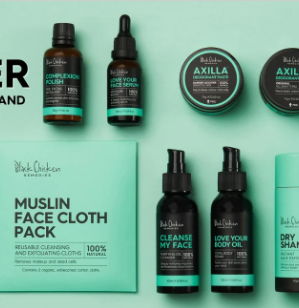
Black Chicken Remedies approaches personal care with this same principle: high-performance natural formulas should work with your body, not against it. For a sensitive face, that means choosing products with intention, using only what you need and giving your skin time to settle.
Your beard does not need a complicated regimen to look well cared for. A gentle formula, a light hand and a little consistency can turn grooming from a source of irritation into a small daily moment of comfort.