














Your underarms can tell the difference between a product that simply masks odour and one that works with your skin. This natural deodorant switch example follows the experience many people have when moving away from conventional antiperspirant: a little uncertainty at first, then a more comfortable, confident everyday ritual once the right formula and application method are in place.
The goal is not to force your body through a dramatic "detox". Your body already has highly effective systems for doing that. A natural deodorant does something different: it helps manage body odour while allowing your underarms to sweat as they are designed to. For people with sensitive underarms, or anyone tired of sticky residue, irritation or formulas that do not align with their ingredient preferences, that can be a meaningful change.
Why the switch can feel different
Antiperspirants and deodorants are not the same product. Antiperspirants are designed to reduce wetness, commonly by using aluminium salts to temporarily block sweat ducts. Natural deodorants do not attempt to stop perspiration. Instead, they focus on the cause of odour: the interaction between sweat and naturally occurring skin bacteria.
This distinction matters because a natural formula may feel different during a busy workday, a summer commute or a gym session. You may notice moisture, especially at first. Moisture is not a sign that your deodorant has failed. The real measure is whether you feel fresh, comfortable and protected from odour.
Your skin may also be adjusting to a new routine. If you have been using an antiperspirant every day, it can take time to understand how much product you need and which texture works best for you. There is no fixed transition period. Some people are comfortable immediately; others need a fortnight or a few weeks to settle into a rhythm.
A natural deodorant switch example: the first fortnight
Consider someone who has used a conventional roll-on for years. Their priorities are clear: they want maximum odour protection, they exercise three times a week, and their underarms become irritated after shaving. They choose a natural deodorant because they want a more ingredient-conscious option, but they are understandably sceptical about performance.
Days one to three: keep the routine simple
They begin by applying natural deodorant to clean, completely dry underarms after their morning shower. This step is more important than it sounds. Applying deodorant over damp skin can dilute the product and make a balm or paste harder to spread evenly.
A small amount is usually enough. With a cream deodorant, a pea-sized amount per underarm is a sensible starting point. Warm it between clean fingertips, then massage it over the full underarm area rather than applying one thick patch in the centre. With a stick, use a few light swipes and allow it a moment to settle before dressing.
On the first few days, they may notice more dampness than they are used to. That is expected when moving away from a sweat-reducing product. If there is no odour, the deodorant is doing its job.
Days four to seven: respond to real life
Midway through the first week, a hot day, a long meeting or a workout can make anyone question the switch. Rather than applying layer upon layer, it helps to assess the basics: Was the deodorant applied to dry skin? Was too much used? Is the formula suited to the day’s activity and the person’s skin?
A quick wash or wipe of the underarms followed by a light reapplication can be useful after exercise. Natural deodorant is not a set-and-forget product for every body and every day. Carrying a small option in a gym bag can make the transition feel practical rather than precious.
This is also a good time to pay attention to irritation. Stinging or redness is not a necessary part of switching. It may be linked to applying deodorant immediately after shaving, over-exfoliating the area, using too much product, or sensitivity to a particular ingredient. Pause use if irritation persists, allow the skin to recover, and choose a gentler formula designed for sensitive underarms.
Week two: refine rather than restart
By the second week, the person in this example has learned that they need a little more product on training mornings and less on quiet days at home. They apply it after drying off thoroughly, avoid using it directly after shaving, and find their underarms feel more comfortable without the heavy residue they once accepted as normal.
That is what a successful switch often looks like. Not perfection from the first swipe, but a routine that becomes more intuitive as you understand your skin, activity level and preferred texture.
How to give your natural deodorant the best chance to perform
The formula matters, but technique matters too. Begin with freshly washed, dry underarms. If you shower at night, you can apply deodorant in the morning once skin is dry, or reapply lightly before getting dressed if that suits your routine.
Use less than you think. Natural deodorant should sit comfortably on the skin, not form a visible layer that transfers to clothing. If you notice residue, reduce the amount next time and take a few extra seconds to massage a cream formula in.
Give shaving its own space. Freshly shaved underarms can be more vulnerable to sensitivity, particularly if there are tiny nicks or if you use a scrub beforehand. Shave in the evening, use a soothing body oil or simple moisturiser if needed, then apply deodorant the next morning. If you prefer to shave in the morning, wait until the skin feels calm and fully dry.
Clothing can make a difference as well. Breathable natural fibres are often more comfortable on hot Australian days, particularly while you are learning how your new deodorant performs. This is not a requirement, but it can help reduce the heat and friction that make underarms feel less fresh.
Choose for your skin, not just your scent preference
A beautiful scent can make a daily ritual feel uplifting, but performance and comfort should come first. If your skin is reactive, seek a formula made with sensitive underarms in mind and introduce it when your skin barrier is calm. Patch testing is a sensible precaution whenever you try a new personal care product, especially if you have known sensitivities.
Ingredients such as bicarbonate of soda can be highly effective for odour control, yet they do not suit every person. Some people use bicarbonate-based deodorant for years without issue; others find it causes discomfort or redness. Neither experience is unusual. A bicarbonate-free option may be the better fit if your skin reacts, while still offering dependable odour support.
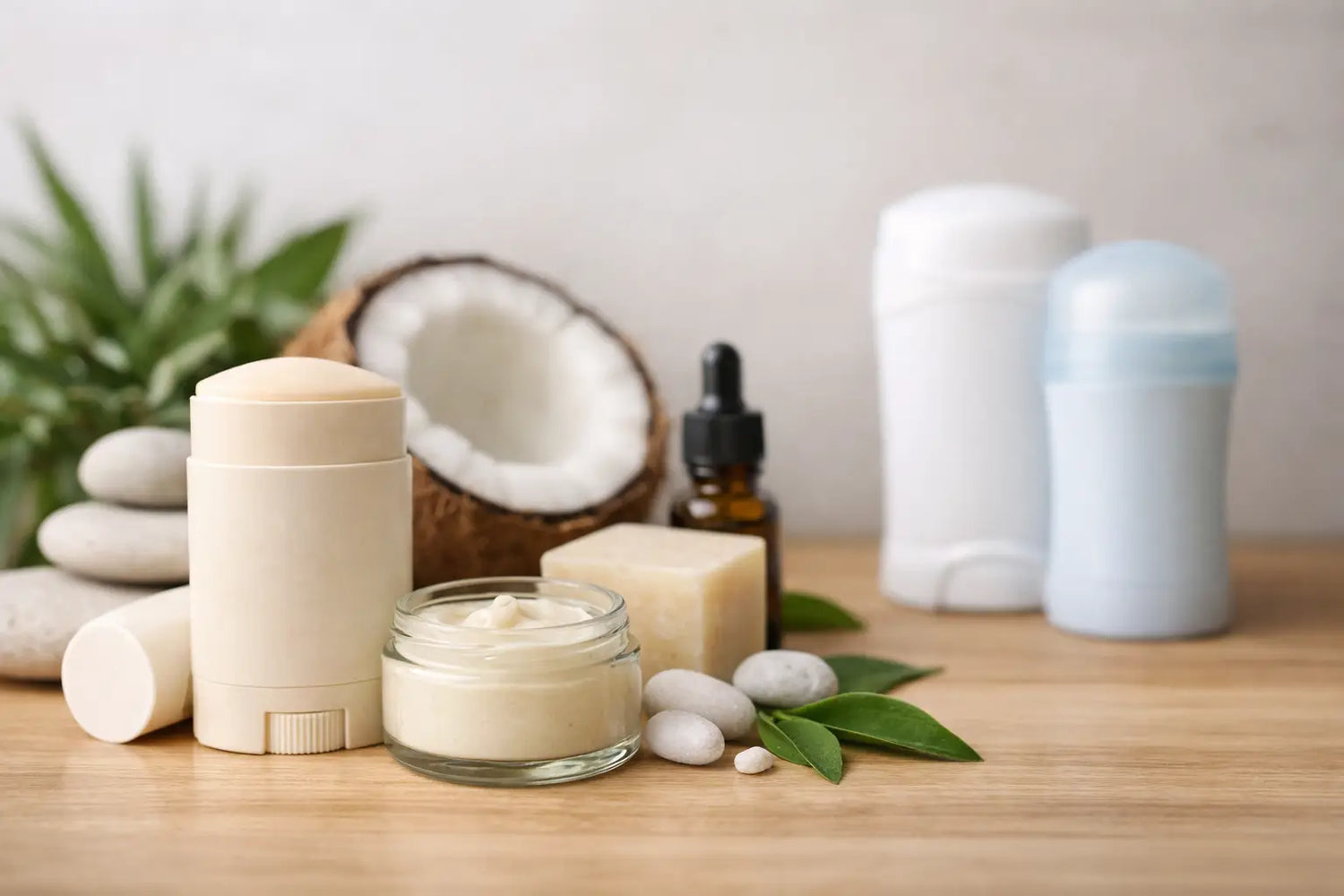
Texture is personal, too. A paste can offer a nourishing, targeted application, while a stick may suit busy mornings or travel. Black Chicken Remedies' Axilla range is designed to make this choice feel less like a compromise, with natural deodorant options created for high performance and everyday skin comfort.
When a switch needs troubleshooting
If you notice odour returning quickly, first check the application basics. Wash away leftover product, dry the skin completely, and apply a small, even amount. If that does not help, consider whether the formula is right for your current needs. Stress, hormonal changes, medication, diet, illness and a humid week can all affect body odour. It depends on the person, and a product that works beautifully in winter may need a top-up during peak summer.
If you develop ongoing itchiness, soreness, a rash or broken skin, stop using the product rather than trying to push through. Underarm skin deserves the same care you give the skin on your face. Seek advice from a health professional if symptoms are severe, persistent or concerning.
It is also worth separating sweat marks from odour protection. A natural deodorant will not prevent perspiration in the way an antiperspirant does, so a change in wetness is normal. If staying dry is your highest priority for a particular occasion, a natural deodorant may not meet that specific need. Choosing products honestly, according to the outcome you want, is part of a better body-care ritual.
The best switch is one that feels sustainable: a formula you enjoy applying, skin that feels calm, and confidence that carries from the morning rush to the end of the day. Give yourself room to adjust the routine, listen to what your underarms are telling you, and let comfort be the standard.