












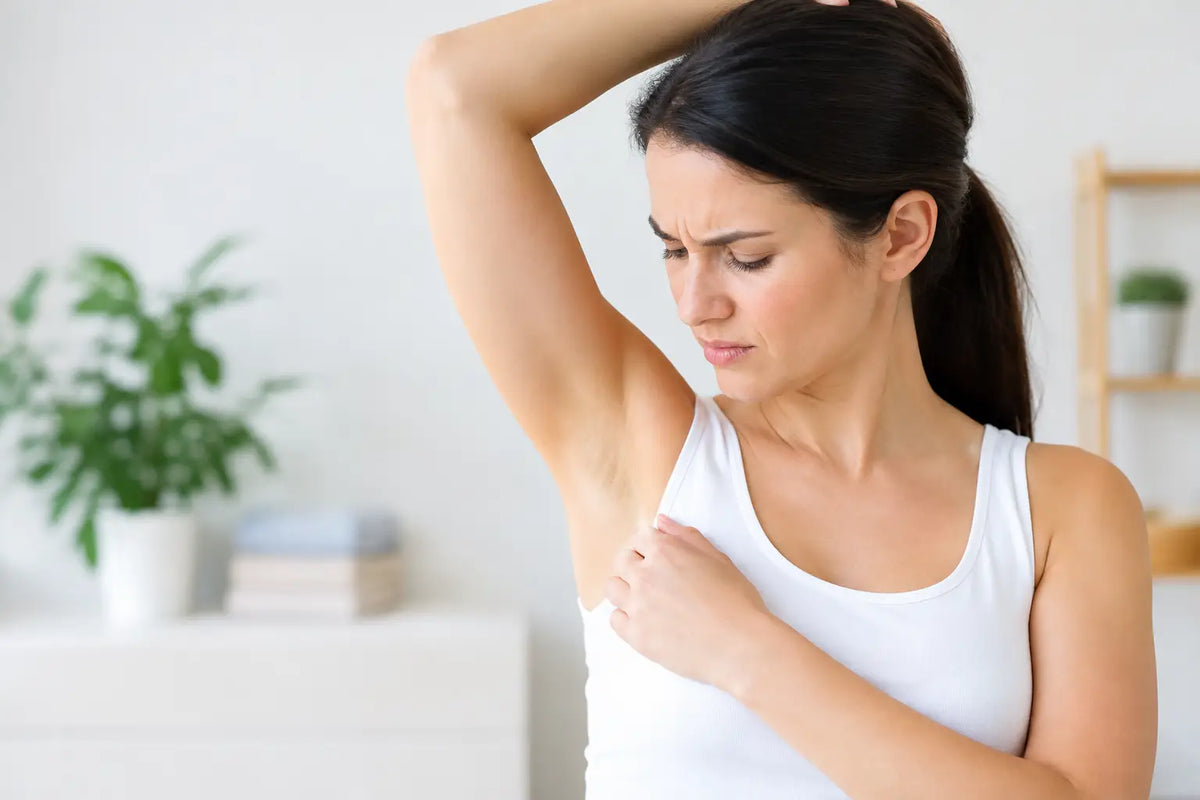
You can step out of the shower feeling fresh, then notice underarm odour by lunchtime. So, why do underarms smell when you are clean and using deodorant? The short answer is that sweat is only part of the picture. Your skin’s natural bacteria, your clothing, stress levels and the product you use can all influence how your underarms smell.
Underarm odour is normal, but it does not have to be something you simply put up with. A little understanding can help you build a more effective routine that supports sensitive underarms and keeps you feeling confidently fresh.
Why do underarms smell in the first place?
Your underarms have two main kinds of sweat glands. Eccrine glands produce mostly water and salt to cool the body down. This type of sweat is generally odourless. Apocrine glands, found in areas including the underarms, release a thicker fluid containing proteins and lipids.
The smell happens when naturally occurring bacteria on the skin break down that apocrine sweat. As they do, they create compounds with a distinctive scent. It is not a sign that you are unclean. It is a normal interaction between your body and its skin microbiome.
The underarm is an ideal environment for this process: it is warm, often covered, and prone to friction. A busy commute, a gym session or a warm Australian afternoon can all increase perspiration. If bacteria have more sweat and warmth to work with, odour can become more noticeable.
Sweat and body odour are not the same thing
This distinction matters when choosing underarm care. Sweat itself is not automatically the issue, and sweating is one of the ways the body regulates temperature. Deodorants are designed to help manage odour, usually by creating conditions that make it harder for odour-causing bacteria to thrive or by using aromatic ingredients to keep you smelling fresh.
Antiperspirants work differently. They use active ingredients, commonly aluminium salts, to temporarily reduce the amount of sweat reaching the skin’s surface. Neither approach is automatically right for everyone. Some people prefer less wetness, while others want to allow normal perspiration and focus on long-lasting odour protection instead.
The everyday factors that can make odour stronger
Underarm odour can change from one week to the next. It is often a combination of small factors rather than one hygiene mistake.
Stress is a common trigger. Emotional stress can activate apocrine glands, producing the type of sweat bacteria break down more readily. This is why nervous sweat may seem to smell stronger than the sweat from a relaxed walk along the beach.
Hormonal shifts can also make a difference. Puberty, menstrual cycles, pregnancy and perimenopause can affect perspiration and skin sensitivity. Your usual deodorant may suddenly feel less effective, or an underarm that has always been easy-going may become reactive.
Food can play a role for some people, although it is not the whole story. Strongly flavoured foods, alcohol and large amounts of caffeine may alter body odour or increase sweating in certain people. The effect is individual, so there is no need to restrict foods that make you feel well unless you have noticed a clear pattern.
Fabric matters too. Synthetic activewear can hold onto oil, bacteria and odour even after a wash, then transfer that scent back to freshly washed skin. Breathable natural fibres may help on hot days, while washing workout gear promptly can make a genuine difference. If shirts smell clean but develop odour quickly once worn, the fabric may be contributing.
When deodorant stops working as well
If your trusted product no longer seems to keep up, the answer is not always to apply more. First, consider how it is being used. Deodorant works best on clean, thoroughly dry skin. Applying it over existing sweat or scent can trap rather than reset the situation.
Product build-up can also interfere with performance. Heavy layers of deodorant, body wash residue and dead skin cells can leave the underarm feeling coated. Gentle, regular cleansing is usually enough. Scrubbing hard or using harsh exfoliants too often can cause irritation, tiny breaks in the skin and more discomfort, particularly after shaving.
Some natural deodorants use bicarbonate of soda to help neutralise odour. It can be very effective for many people, but it does not suit every underarm. If you develop redness, itching, stinging or a persistent rash, stop using the product and allow your skin to settle. Sensitive underarms often benefit from a gentler, bicarbonate-free formula that prioritises comfort alongside odour control.
There can also be a short adjustment period when moving from an antiperspirant to a natural deodorant. Your body is not “detoxing”, but you may notice more moisture because the new product is not reducing sweat in the same way. Give your skin and routine a little time, and choose a formula designed for reliable daily protection rather than relying on fragrance alone.
A simple routine for fresher, calmer underarms
The most effective approach is usually consistent and gentle. Cleanse your underarms daily with a mild wash, then pat them dry rather than rubbing vigorously. After exercise or a particularly hot day, a quick shower and a fresh top can prevent sweat and bacteria from lingering.
Apply deodorant to dry skin and use only the amount recommended. More product is not always more protective. A thin, even layer gives the formula the best chance to sit comfortably on the skin.
If you shave, consider doing it in the evening rather than immediately before applying deodorant in the morning. Freshly shaved skin can be more vulnerable to sting and irritation. Use a clean razor, avoid repeated passes over the same area and give the skin a chance to recover.
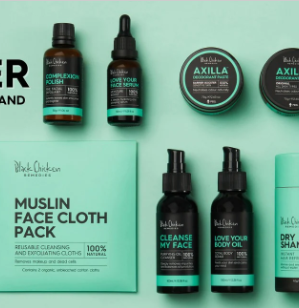
For people who want natural, high-performance protection, Black Chicken Remedies Axilla deodorant range is designed to support all-day freshness while being mindful of sensitive underarms. Choosing a formula that feels good on your skin is just as valuable as choosing one that keeps odour in check.
Is strong underarm odour ever a health concern?
Most changes in body odour are harmless and linked to sweat, bacteria, diet, hormones or stress. Still, a sudden and persistent change in smell, excessive sweating that affects daily life, painful lumps, a spreading rash or broken skin is worth discussing with a GP or dermatologist.
Medical advice is especially useful if odour comes with other symptoms, such as unexplained weight changes, fever, fatigue or night sweats. A clinician can rule out skin infections, excessive sweating and other underlying causes, then recommend treatment that suits your health needs.
Be kind to your underarms. They are working skin in a high-friction part of the body, not a problem to punish with harsh products. With the right balance of gentle cleansing, breathable clothes and a deodorant matched to your skin, fresh confidence can become an easy part of your everyday wellness ritual.