











Your underarms do a lot more than you might think. They sweat to help regulate body temperature, experience friction from clothing and movement, and can react quickly when an ingredient is not the right fit. For many people, aluminium-free deodorant benefits start with a simpler, more comfortable daily ritual that manages body odour without trying to stop perspiration altogether.
The key is knowing what you are switching from, what you want your deodorant to do, and which formula will work best for your skin. A natural deodorant should not be a compromise. The right one can offer dependable odour protection, a beautiful sensory experience and the reassurance of considered ingredients.
What does aluminium-free deodorant actually do?
Aluminium is used in antiperspirants, where aluminium salts temporarily form plugs in sweat ducts to reduce the amount of sweat that reaches the skin’s surface. Deodorants work differently. They are designed to address body odour, rather than prevent sweating.
Sweat itself is mostly odourless. The familiar underarm smell develops when skin bacteria break down compounds in perspiration. Aluminium-free deodorants commonly use ingredients that help absorb moisture, neutralise odour and create an environment where odour-causing bacteria are less likely to thrive.
That distinction matters. If your priority is staying completely dry through a long presentation, an intense gym session or a humid summer commute, an antiperspirant may give a different result. If you prefer to let your body perspire normally while keeping odour in check, an aluminium-free deodorant may be the more aligned choice.
Aluminium-free deodorant benefits worth knowing
It supports your body’s natural cooling process
Sweating is a normal and useful body function. It helps cool you down when temperatures rise, when you move your body or when you are under pressure. An aluminium-free deodorant allows this process to continue while focusing on freshness and odour control.
This does not mean you will necessarily feel wet all day. Many natural formulas include absorbent ingredients such as arrowroot or clay to help manage surface moisture. The experience is usually more about feeling comfortably fresh than feeling artificially dry.
It can be a gentler option for sensitive underarms
Underarm skin is delicate, often shaved, and regularly exposed to heat, friction and product build-up. For those who find conventional antiperspirants leave them feeling itchy, tight or uncomfortable, an aluminium-free option can be a welcome change.
However, natural does not automatically mean irritation-free. Some high-performance deodorants use sodium bicarbonate, also known as bicarb soda, to neutralise odour. It works brilliantly for many people, but can feel too active for others, particularly after shaving or on already compromised skin. If your underarms are reactive, a bicarb-free formula or a gentle transition approach may be a better fit.
Look for a deodorant made with skin-comforting ingredients and use it on clean, fully dry skin. If irritation persists, stop using the product and consider speaking with a health professional.
It offers ingredient transparency
Choosing aluminium-free deodorant often goes hand in hand with taking a closer look at your personal care routine. Many people want to know what they apply each day, especially in an area where skin can be prone to sensitivity.
A thoughtfully formulated natural deodorant may feature plant oils, butters, mineral powders and essential oils, with each ingredient selected for a clear purpose. This gives you the chance to choose based on your own priorities, whether that is a certified organic ingredient focus, a fragrance-free formula, a vegan option or a refillable format that reduces unnecessary waste.
Ingredient transparency is not about fear. It is about having a clear choice and finding products that feel right for your skin and lifestyle.
It can make your routine feel more intentional
A deodorant is one of the few personal care products you use every day, often without thinking twice. Replacing it with a formula you genuinely enjoy can turn a rushed morning step into a small wellness ritual.
A soft balm that melts into the skin, a fresh essential oil aroma or a formula that leaves no sticky residue can make a practical difference. This is especially true if you have previously tolerated a deodorant that stung or left marks on your favourite black top.
The best products pair that sensorial moment with real-world performance. You want to feel confident from your morning walk to afternoon meetings, school pick-up, Pilates or dinner out.
It may reduce white marks and product residue
This depends on the formula and how much you apply, but many aluminium-free deodorants are designed to apply with minimal residue. A small amount is usually enough. Warming a balm between your fingertips before applying can also help it spread evenly and reduce excess product sitting on the skin.
Allow it a moment to absorb before getting dressed, particularly with natural balms rich in oils and butters. If you wear a lot of dark clothing, choose a formula with a smooth finish and apply sparingly. More product does not equal more protection.
Switching to natural deodorant: what to expect
There is no universal detox period, and your body does not need to be “purged” of aluminium. Still, a change in deodorant can take a little adjustment. Your skin, daily activity, hormones, climate and the formula itself all influence how the first few weeks feel.
Some people notice a stronger scent initially because they are getting used to a deodorant that handles odour rather than blocking sweat. Others switch with no noticeable transition at all. Give your new formula a fair trial, ideally for two to four weeks, unless your skin becomes irritated.
Application technique counts. Start with clean, dry underarms, then apply a light, even layer. Reapply if needed during very hot weather, travel, exercise or high-stress days. Natural deodorant is not a one-size-fits-all category, so it can take a little experimentation to find your best match.
How to choose a formula that performs
Start with your underarm needs rather than a blanket promise. If you are sensitive, seek a gentle or bicarb-free deodorant with a simple ingredient list. If odour protection is your biggest concern, choose a formula known for neutralising odour rather than simply masking it with fragrance.
Also consider format. Balms are often nourishing and economical because a little goes a long way. Stick deodorants can be convenient for busy mornings and travel. Trial sizes are useful if you are unsure how your skin will respond or want to test different scents before committing.
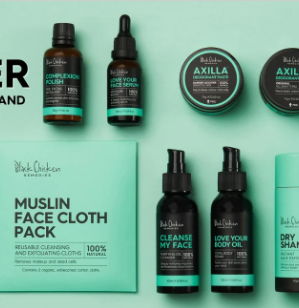
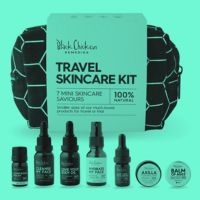
For those seeking natural protection with a premium feel, Black Chicken Remedies’ Axilla range is formulated to support fresh, comfortable underarms without aluminium. The right choice comes down to your skin, your scent preference and the level of odour control you need each day.
Common questions about aluminium-free deodorant benefits
Will aluminium-free deodorant stop me sweating?
No. A deodorant is not intended to stop sweating, because it does not use aluminium salts to reduce perspiration. It can help you feel fresher by managing odour and, depending on the formula, absorbing some surface moisture.
Is natural deodorant suitable after shaving?
It can be, but freshly shaved skin is often more sensitive. If you are prone to stinging, wait until skin has settled before applying, or choose a gentle, bicarb-free formula. Applying only a small amount is also helpful.
Why does my natural deodorant seem to stop working sometimes?
Changes in weather, exercise, stress, diet, hormonal shifts and even clothing fabrics can affect body odour. Check that you are applying to clean, dry skin and that your deodorant has not been exposed to excessive heat. If performance remains inconsistent, another formula may suit your body chemistry better.
A good deodorant should help you move through the day feeling like yourself, not make you second-guess your underarms. Choose one that respects your skin, suits your routine and gives you confidence to get on with what matters.