











Body odour can feel like a small problem with a big impact. When you are reaching for your arms, moving through a warm commute or heading into a busy day, you want to feel comfortable and confident in your own skin. A natural deodorant for body odour is designed to support that confidence without asking sensitive underarms to tolerate ingredients that do not agree with them.
The goal is not to stop your body from being a body. Sweat is a normal cooling function. The better approach is to manage the odour that develops when sweat meets naturally occurring bacteria on the skin, while keeping your underarm routine simple, effective and kind to your skin.
Why body odour happens
Fresh sweat is mostly odourless. The familiar smell develops when skin bacteria break down compounds in sweat, particularly in areas such as the underarms where warmth, moisture and hair can create an ideal environment. Stress, hormonal changes, exercise, diet, medication and synthetic fabrics can all affect how much you sweat or how strongly body odour presents.
That variation matters because there is no single ‘normal’ level of body odour. You may only notice it after a gym session, or you may find it becomes more pronounced during a high-pressure week, an Australian summer or a change in your cycle. A deodorant should be dependable enough for everyday life, while allowing room to adjust your routine when your needs change.
Deodorant and antiperspirant are often used as though they mean the same thing, but they work differently. An antiperspirant aims to reduce wetness by temporarily blocking sweat ducts. A deodorant focuses on neutralising odour and helping create conditions where odour-causing bacteria are less likely to thrive. If your priority is maximum sweat reduction, an antiperspirant may suit you. If you prefer to sweat naturally while managing odour with considered ingredients, a natural deodorant may be the better fit.
What makes a natural deodorant for body odour effective?
Performance comes down to the formula, the format and how it works with your skin. A well-made natural deodorant does more than cover body odour with a strong scent. It uses ingredients selected to absorb moisture, neutralise odour and leave the underarm area feeling fresh.
Magnesium-based formulas are a popular option because magnesium hydroxide helps manage odour without relying on aluminium salts. Plant powders and clays can help absorb excess moisture, while nourishing oils and butters give a balm or stick formula a smooth feel on the skin. Essential oils may add a clean, uplifting aroma, but their role should never outweigh skin comfort. For sensitive underarms, a balanced formula and gentle application matter just as much as fragrance.
Bicarbonate of soda is another ingredient commonly found in natural deodorants. It can be highly effective for odour control, but it is not right for everyone. Some people find that frequent use causes redness, dryness or a rash, especially after shaving or when their skin barrier is already stressed. If that sounds familiar, choosing a bicarbonate-free formula can be a smart next step rather than a reason to give up on natural deodorant altogether.
The same principle applies to scent. A fresh citrus, floral or woody profile can turn applying deodorant into a small wellbeing ritual. Yet if you are reactive to fragranced products, a low-scent or sensitive-skin option may be more comfortable. The best natural deodorant is the one you can use consistently, with no itch, sting or second thoughts.
Look beyond ‘natural’ on the label
Natural is not a guarantee that a product will suit every underarm. Ingredient transparency is worth looking for, particularly if you have eczema-prone skin, have reacted to deodorants before or are introducing several new products at once. Take a moment to review the ingredient list and consider your own known sensitivities.
It is also helpful to choose products that are clear about what they are designed to do. Odour protection, moisture absorption and sensitive-skin support are practical benefits. Promises that suggest a deodorant can transform your body overnight are less useful than a formula you understand and can wear comfortably from morning to evening.
How to switch without the guesswork
Changing deodorants can feel uncertain, particularly if conventional antiperspirant has been part of your routine for years. Your body does not need a dramatic cleanse or a punishing ‘detox’ period. Sweat glands keep doing their normal job. What can take time is finding the amount, formula and application routine that works best for your skin and lifestyle.
Start on clean, dry underarms. This gives your deodorant the best chance to sit evenly on the skin and get to work. With a balm or paste, a pea-sized amount is often enough for each underarm. Warm it between your fingertips if needed, then apply a thin, even layer. More is not necessarily better - overapplication can leave residue on skin or clothing without improving protection.
Give your new formula a fair trial, ideally for one to two weeks unless irritation occurs. Temperature, exercise and stress can make any deodorant seem less effective on a particular day, so assess how it performs across your normal routine rather than after one demanding afternoon. If you have sensitive skin, patch test first and avoid applying directly after shaving until you know how your skin responds.
You may also need to revisit the basics. Breathable natural-fibre clothing, washing workout gear promptly and changing out of damp tops can make a noticeable difference to lingering odour. These are not replacements for deodorant, but they support the work your deodorant is already doing.
Choosing the right format for your routine
The formula is central, but the format shapes whether a product becomes an easy daily habit. Balms and pastes offer precise application and are often loved for their nourishing feel. They can be ideal if you do not mind using your fingertips and want to control exactly how much you apply.
Stick deodorants are convenient, portable and quick to use after a shower, before work or in a gym bag. A smooth-glide stick can make the switch to natural deodorant feel familiar, particularly if you are used to conventional roll-ons or solids. The key is a light touch: a couple of swipes on dry skin is usually enough.
If your days involve training, outdoor work, travel or long stretches in warm weather, choose a deodorant with proven odour protection rather than relying on perfume alone. Some people also keep a second option for different needs - perhaps a sensitive formula for freshly shaved skin and a stronger everyday formula for active days. There is no rule that says one product must cover every moment of your life.
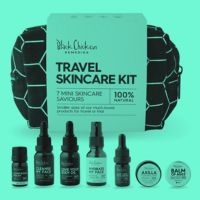
Black Chicken Remedies’ award-winning Axilla range is designed around this balance: high-performance natural odour protection with options that consider sensitive underarms and daily wear. A trial-sized format can be especially helpful if you are working out which texture or ingredient profile feels right for you.
When body odour changes suddenly
Most body odour changes are linked to ordinary shifts in routine, weather, stress or hormones. Still, a sudden or unusually persistent change in body odour, especially alongside other symptoms, is worth discussing with a GP. A deodorant can support everyday freshness, but it should not be expected to address an underlying health concern.
Likewise, stop using any product that causes burning, swelling, ongoing itchiness or a rash. Let the skin settle, keep the area gently cleansed and seek advice from a pharmacist or health professional if the reaction is severe or does not improve. Sensitive underarms deserve the same care as the rest of your skin.
A natural deodorant works best when it becomes a quiet, reliable part of your routine: applied to clean skin, chosen for your needs and trusted to handle the moments when you want to feel most at ease. That is not about masking your body. It is about caring for it with confidence.