












If you are considering an underarm detox before natural deodorant, chances are you are not chasing a trend. You want a natural option that actually works, feels comfortable on sensitive underarms, and does not leave you wondering why your body suddenly smells stronger than usual. That transition period is real for some people, but it is often misunderstood.
The idea of an underarm detox sounds dramatic. In practice, it is usually less about pulling toxins out of the body and more about supporting your skin while it adjusts to a different kind of product. When you stop using conventional antiperspirant and switch to a natural deodorant, your underarms can go through a short settling-in phase. Sweat may feel more noticeable, odour can shift, and skin that has been dealing with blocked pores or frequent irritation may need a little time to rebalance.
What underarm detox before natural deodorant really means
Your body already has its own detox systems. Your liver, kidneys, gut and skin are doing that work every day. So when people talk about an underarm detox before natural deodorant, what they usually mean is creating the best conditions for the skin under your arms to reset.
That reset can matter because antiperspirants and natural deodorants do different jobs. An antiperspirant is designed to reduce sweat, often by using aluminium salts to temporarily block sweat ducts. A natural deodorant does not stop your body from sweating. Instead, it focuses on helping manage odour, absorb excess moisture, and support a healthier underarm environment.
That difference is why the switch can feel noticeable. You are not suddenly sweating because your body is failing or overloaded with toxins. You are simply allowing a normal process to happen again, and your underarms may need time to find a new balance.
Do you actually need an underarm detox?
Not always. Some people change to natural deodorant with barely any disruption. Others notice a week or two of stronger body odour, more dampness, or a bit of sensitivity. It depends on your skin, your sweat levels, how often you shave, the climate, your stress load, and what type of product you were using before.
If your underarms are already calm and healthy, you may not need a formal detox at all. A clean switch with a well-formulated natural deodorant can be enough. But if you have been dealing with build-up, irritation, ingrown hairs, or repeated sensitivity, a simple underarm reset may help make the transition smoother.
The key is not to overdo it. Underarm skin is delicate. Anything too abrasive, too acidic, or too frequent can leave the area more reactive, not less.
Why odour can get worse before it gets better
This is usually the part that catches people off guard. You change products because you want a cleaner routine, then your underarms seem stronger-smelling than before.
That does not mean natural deodorant is not working. Odour is created when sweat mixes with bacteria on the skin. During the transition, the underarm microbiome can shift. If you have been using antiperspirant for years, your skin is adjusting to more airflow, more moisture, and a different product base. That can temporarily change the balance of bacteria and make odour feel more intense.
The good news is that this phase is often short-lived. As the skin settles and you find the right formula for your body, many people notice that odour becomes easier to manage and underarms feel more comfortable overall.
A gentle way to approach underarm detox before natural deodorant
If you want to support the transition, keep it simple. Think less harsh treatment, more skin support.
Start by stopping your antiperspirant and washing the area thoroughly each day with a gentle cleanser. This helps remove residue, sweat and bacteria without stripping the skin barrier. Pat dry properly before applying your deodorant, because damp skin can dilute the product and increase friction.
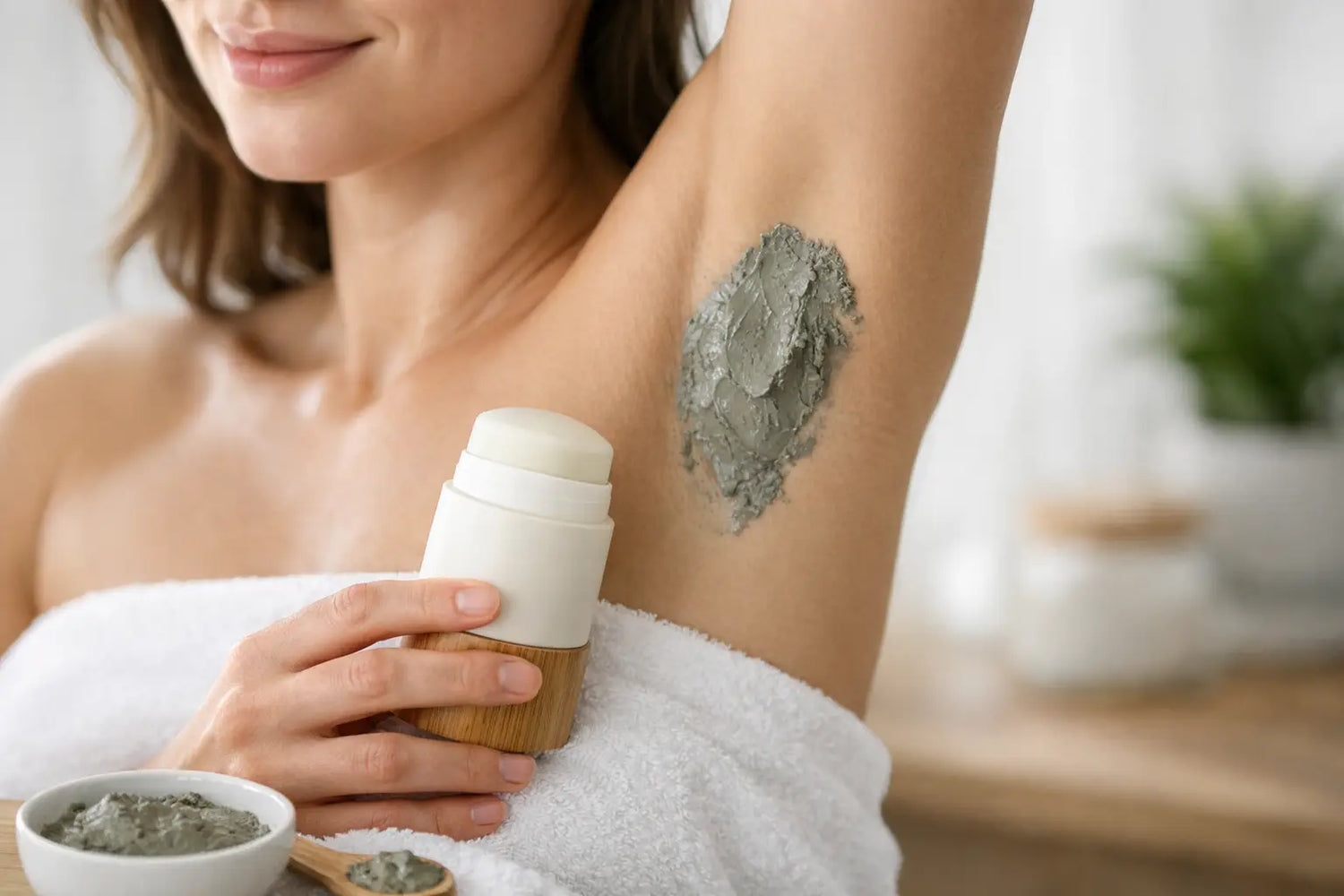
A mild clay mask can also help some people. Applied to clean underarms for a short time, once or twice a week, clay may help lift surface build-up and absorb excess oil and sweat residue. It should never sting or leave the skin tight and angry. If it does, rinse it off sooner or skip it altogether.
Gentle exfoliation can help too, but only if your skin tolerates it well. This is not the place for aggressive scrubs. Over-exfoliating freshly shaved or sensitive underarms is a fast way to end up with redness and irritation. A soft washcloth or a very mild exfoliant used sparingly is usually enough.
Hydration matters more than many people realise. Underarm skin that is dry, inflamed or compromised can react more easily to deodorant ingredients, even natural ones. If your skin is feeling tender, focus on calming it down before pushing through with new products.
What to avoid during the transition
The biggest mistake is treating your underarms like they need to be stripped back. Strong scrubs, repeated masking, lemon juice, bicarb-heavy DIY recipes, and harsh acids can make things worse. They may damage the skin barrier, disrupt the microbiome further, and increase the chance of stinging or rash.
Another common issue is changing too many things at once. If you switch deodorant, start dry brushing, use a peel, shave more often, and add a detox mask all in the same week, it becomes impossible to know what is helping and what is irritating your skin.
Patience is part of the process. Natural deodorant can be high-performance, but your body may still need a little adjustment time. That is different from a product genuinely not suiting you.
How to tell the difference between purging and irritation
A short transition period can involve extra odour or dampness. What it should not involve is persistent burning, itching, swelling, broken skin, or a rash that keeps getting worse.
If the main issue is odour, your underarms may simply be adjusting. If the main issue is discomfort, the formula may not be right for your skin. This is especially relevant if you are sensitive to bicarb, essential oils, or fragrance components, even naturally derived ones.
That is where choosing a natural deodorant designed for sensitive underarms becomes important. Performance matters, but so does skin compatibility. A premium formula should support odour control without pushing your skin into a cycle of irritation.
Practical tips to make natural deodorant work better
Application technique can make a bigger difference than people expect. Use natural deodorant on clean, dry skin and apply only the amount you need. More is not always better. Too much product can sit on the skin instead of working with it.
If you exercise, live in a humid climate, or tend to sweat heavily, reapplying once later in the day can help during the early transition. Breathable fabrics also make a difference. Tight synthetic clothing can trap heat and moisture, which tends to amplify odour.
If you shave, try not to apply deodorant immediately after if your skin is prone to sensitivity. Giving the area a little time to settle can reduce sting and redness. And if one formula does not suit you, that does not mean natural deodorant itself is the problem. Texture, absorbency, active ingredients and skin feel vary widely from one product to the next.
How long does the adjustment phase last?
For many people, any transition settles within one to three weeks. For others, it can be shorter. Occasionally it takes longer, especially if underarm skin is already irritated or if the formula is not the right fit.
It helps to be realistic. The goal is not perfectly dry underarms at all times, because natural deodorant is not designed to block sweat. The goal is fresh-feeling skin, reliable odour protection, and a formula that supports long-term underarm balance.
That is why the best switch is usually a balanced one. Gentle cleansing, a simple reset if needed, and a deodorant that prioritises both performance and sensitivity will take you further than any harsh detox ritual.
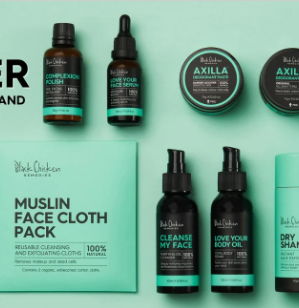
For anyone making the move, a thoughtful formula like Black Chicken Remedies Axilla can feel less like a compromise and more like an upgrade - effective odour protection, with ingredients chosen to work with your body rather than against it.
If your underarms need a little time to adjust, that does not mean you are on the wrong track. It usually means your skin is asking for consistency, not punishment.