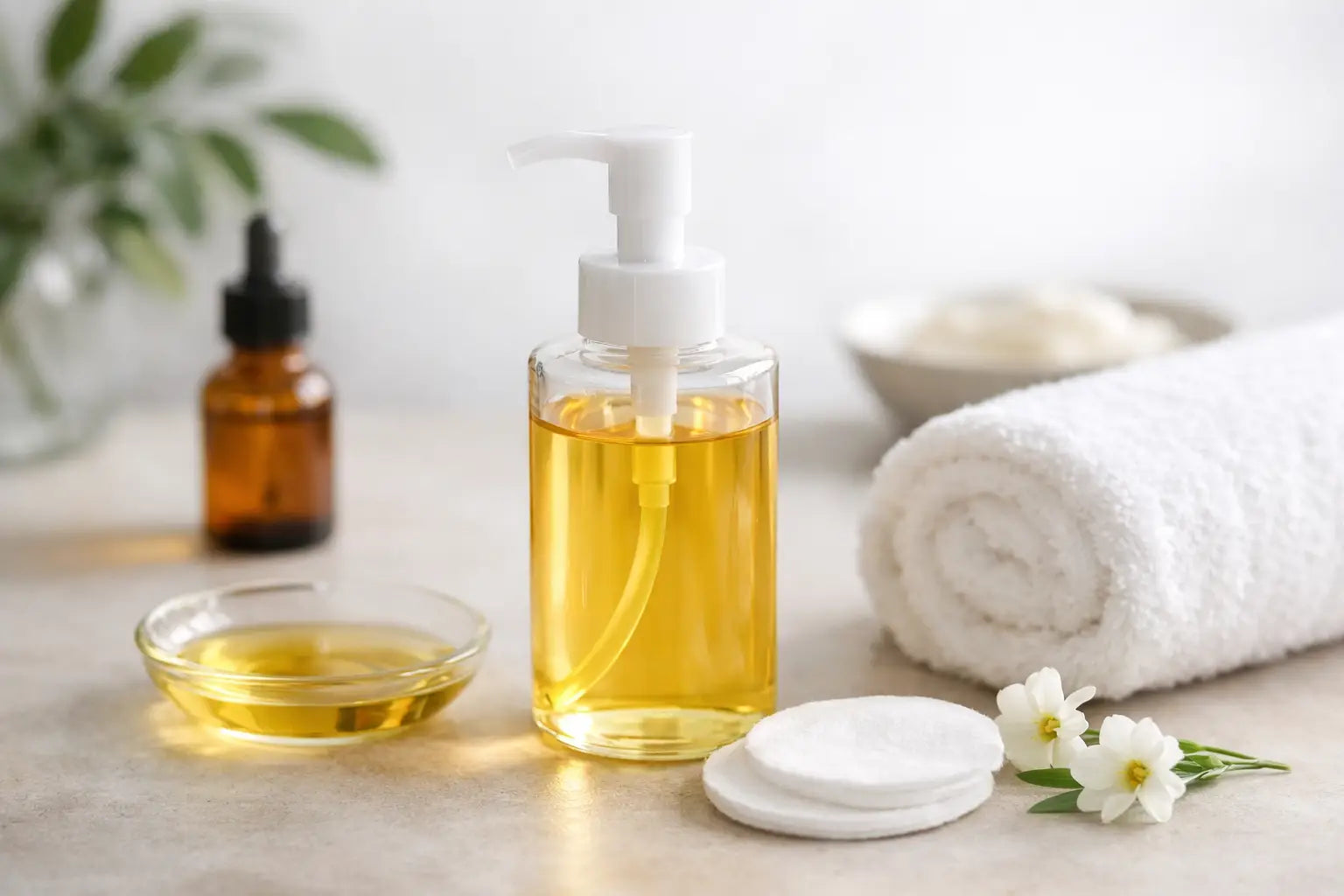













Dry skin rarely feels subtle. It pulls after cleansing, catches around the nose, and can make even good makeup sit unevenly by mid-morning. A well-formulated natural face oil for dry skin can change that quickly - not by masking the problem, but by helping the skin hold onto comfort, softness and moisture for longer.
The key is choosing an oil that supports the skin barrier rather than simply sitting on top of it. Dry skin needs more than surface slip. It needs nourishment, protection and ingredients that work with sensitive, easily stressed skin.
Why dry skin responds so well to face oils
Dry skin usually means the skin barrier is not holding water as effectively as it should. That can happen because of weather, over-cleansing, age, indoor heating, too many active products, or skin that is naturally low in oil. When that barrier is compromised, moisture escapes more easily and skin starts to feel rough, tight or flaky.
A quality face oil helps by reinforcing the outer layer of the skin. It reduces water loss, softens dry patches and improves that uncomfortable stretched feeling that often shows up after cleansing. The right formula can also help skin look calmer and more supple, which is why many people notice an immediate difference in both feel and finish.
That said, not every oil suits every face. Some are rich and restorative. Others are lighter and better for skin that is dry but still prone to congestion. Results depend on the blend, the quality of the ingredients and how you use it within the rest of your routine.
What makes a natural face oil for dry skin effective
A natural face oil for dry skin should do three things well: replenish lipids, support barrier function and feel comfortable enough for daily use. If an oil feels luxurious for five minutes but leaves skin greasy, irritated or still tight underneath, it is not doing the job properly.
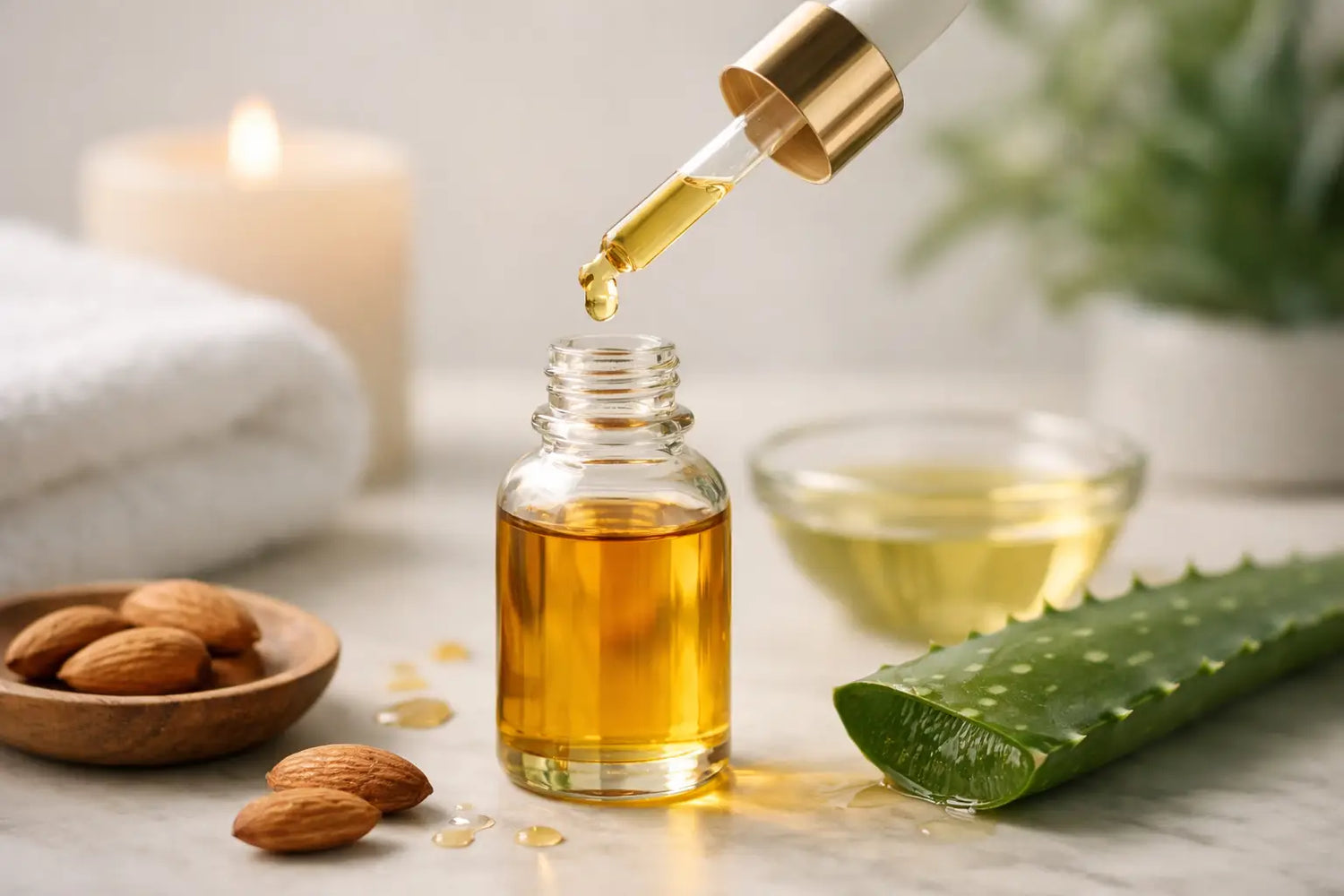
Plant oils rich in essential fatty acids are often the best place to start. These help soften and condition the skin while supporting a healthier barrier. Oils such as jojoba, rosehip, avocado, argan and evening primrose are often favoured because they offer nourishment without relying on synthetic fillers or heavy mineral-based coatings.
Jojoba is particularly useful because its composition is close to the skin’s own sebum, which makes it well tolerated for many skin types. Rosehip is known for supporting skin renewal and improving the look of dryness and uneven texture. Avocado oil is richer and suits skin that feels persistently undernourished. Argan offers a lighter, silky finish while still delivering comfort.
The blend matters as much as the hero ingredient. A balanced formula often performs better than a single oil because it can combine richer nourishment with lighter absorption. This is especially helpful if your skin is dry but you still want a finish that layers well under sunscreen or makeup.
The ingredients dry and sensitive skin often prefer
If your skin is both dry and reactive, simplicity matters. Fragrant essential oils, harsh preservatives and overly complicated formulas can tip stressed skin over the edge. Natural does not automatically mean gentle, so ingredient selection still needs care.
Look for nourishing oils and antioxidant-rich botanicals that support the skin without creating extra work for it. Calendula, chamomile and vitamin E are often welcome additions in formulas for dry skin because they help calm the feel of irritation while protecting the oil blend from oxidation.
It is also worth paying attention to texture. Very heavy oils can be brilliant at night, especially in winter or for mature skin, but may feel too occlusive during the day. A lighter facial oil can still be deeply supportive if it is paired with a hydrating serum or applied onto damp skin.
If you are acne-prone as well as dry, you may need a more refined approach. Skin can be dehydrated and congested at the same time. In that case, lighter non-greasy oils often make more sense than thick, buttery formulas.
How to use face oil so dry skin gets real benefit
Application changes everything. Face oil is most effective when it is used to seal in hydration, not replace it. If you apply oil onto very dry skin with no water-based hydration underneath, it may soften the surface but will not do much to improve dehydration.
After cleansing, apply your mist, essence or serum first if you use one, then press a few drops of oil into slightly damp skin. This helps trap moisture where it is needed. Pressing rather than rubbing is usually kinder on skin that already feels fragile or sensitised.
At night, you can be a little more generous. During the day, less is often better. Two or three drops is usually enough for the face, with an extra drop if your neck is feeling dry as well. If skin looks shiny for hours, you may be using too much.
You can also adjust with the seasons. In cooler months, dry skin often needs richer support because wind, lower humidity and indoor heating all increase moisture loss. In warmer weather, a lighter application may be enough, especially if your routine already includes a nourishing moisturiser.
Face oil versus moisturiser - do you need both?
This is where it depends. Face oils and moisturisers are not the same thing, even though they often get grouped together.
Moisturisers usually combine water and oil components, along with humectants that draw hydration into the skin. Face oils are primarily lipid-based, so they are excellent at reducing water loss and improving softness. If your skin is very dry, using both often gives the best result.
Think of it this way: hydration adds water, while oil helps keep it there. If you only use oil, your skin may still be missing water. If you only use a lightweight moisturiser, your skin may not stay comfortable for long. Layering the two can create a more complete routine, especially if your skin feels dry all day rather than just after cleansing.
For some people with mildly dry skin, a rich oil alone at night is enough. For very dry, mature or weather-stressed skin, pairing a hydrating product with a facial oil usually delivers better long-term comfort.
Signs your current facial oil is not the right fit
Not all face oils earn a permanent place in your routine. If your skin still feels tight thirty minutes after application, the formula may not be nourishing enough or you may be skipping hydration underneath. If you are seeing tiny bumps, congestion or persistent greasiness, it could be too heavy for your skin type.
Irritation is another clear sign to stop. Stinging, redness or itching can point to sensitivity to certain botanicals or essential oils. Premium natural skincare should feel supportive and calming, not active in the wrong way.
A good facial oil for dry skin should leave your skin feeling soft, comfortable and balanced. You should notice fewer flaky areas, a smoother skin surface and less of that end-of-day tightness that makes skin feel tired.
Choosing the right natural face oil for dry skin
Start with your version of dry skin. If your skin is dry and sensitive, choose a minimal formula with calming oils and no unnecessary fragrance. If it is dry and mature, richer oils with antioxidant support may suit you better. If it is dry but breakout-prone, look for lightweight plant oils that absorb cleanly and do not leave a heavy residue.
Packaging also matters more than many people realise. Dark glass and air-restricted packaging help preserve delicate botanical oils, which are naturally more vulnerable to light and heat. Freshness affects performance.
This is also one area where quality is worth paying for. A premium natural oil blend should feel refined, absorb well and support skin over time, not just deliver a glossy finish. That is where thoughtful formulation makes the difference between a nice ritual and a product that genuinely improves skin comfort.
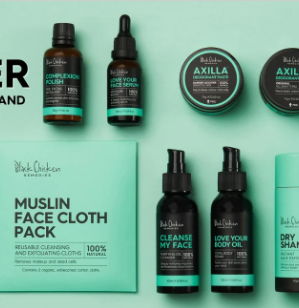
For those building a more intentional routine, this is exactly where Black Chicken Remedies fits best - natural skincare that respects sensitive skin while still delivering results you can feel.
Building a ritual dry skin will actually benefit from
A face oil works best as part of a consistent routine rather than a rescue product used once skin is already in trouble. Keep cleansing gentle, avoid stripping formulas, and be selective with exfoliation. Dry skin does not usually need more aggression. It needs steadier support.
Night-time is often the best moment to let a facial oil do its work. Skin is not competing with makeup, sunscreen or daily environmental stress, and you can use a slightly richer layer without worrying about shine. A few mindful minutes pressing oil into the skin can turn basic skincare into a ritual that feels restorative as well as effective.
When your skin is dry, the goal is not to force it into behaving like a different skin type. It is to give it what it needs to stay resilient, comfortable and well balanced. The right face oil can do that beautifully - quietly, consistently and without asking your skin to compromise.