













When your skin feels tight after washing, stings for no clear reason, or flares up the moment you try something new, cleansing can start to feel like a risk. That is exactly where a cleansing oil for sensitive skin can make a real difference. The right formula removes sunscreen, makeup and daily build-up without pushing your barrier further out of balance.
Sensitive skin is rarely asking for more effort. It is usually asking for less friction, fewer harsh surfactants and ingredients that respect the skin’s natural oils. A well-formulated cleansing oil does that beautifully. Instead of stripping the skin to feel clean, it helps dissolve what should come off while leaving the complexion feeling soft, calm and comfortable.
Why cleansing oil for sensitive skin makes sense
There is a reason oil cleansing has become a staple in gentle skincare routines. Oil attracts oil, which means it can lift excess sebum, long-wear makeup and stubborn SPF without the aggressive scrubbing that often comes with foaming cleansers or makeup wipes.
For sensitive skin, that matters. Over-cleansing can weaken the skin barrier, and once the barrier is compromised, everything tends to feel worse. Redness looks more obvious, dry patches become rougher, and products that used to feel fine can suddenly sting. A cleansing oil can interrupt that cycle by making the first step of your routine less abrasive.
That does not mean every oil cleanser will suit every face. Some formulas are beautifully balanced, while others contain essential oils, fragrance or emulsifiers that may be too active for highly reactive skin. Sensitive skin is not one single condition - it can be dry, acne-prone, dehydrated, menopausal, eczema-prone or simply easily irritated. The best product depends on what your skin is dealing with day to day.
What to look for in a cleansing oil for sensitive skin
Start with the ingredient list. A shorter, more thoughtful formula is often the safer option, especially if your skin reacts quickly. Plant oils such as jojoba, sunflower, camellia and squalane are often well tolerated because they are lightweight, nourishing and less likely to leave the skin feeling heavy.
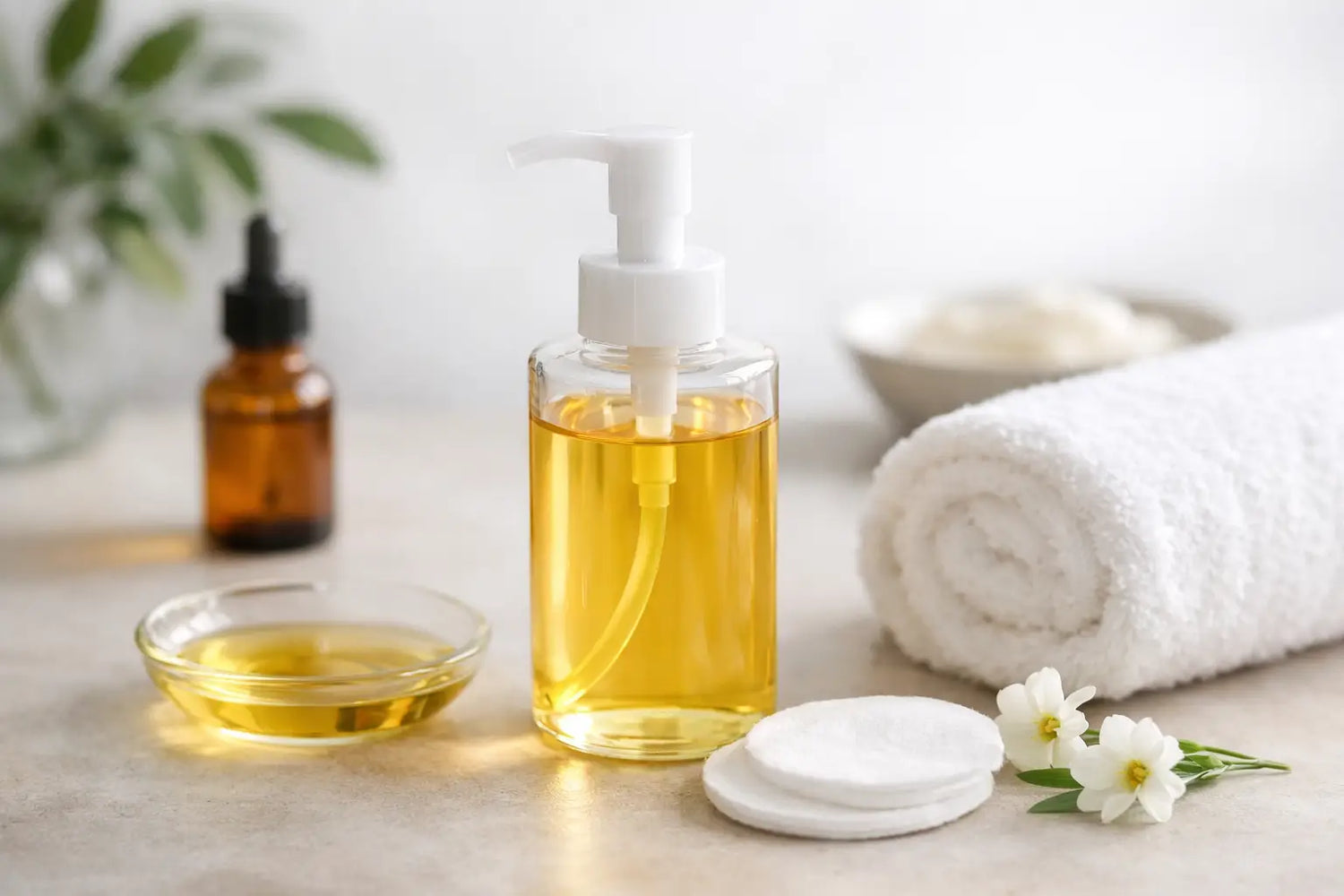
Texture matters too. A cleansing oil should spread easily so you are not tugging at the skin. It should also rinse clean or emulsify gently with water, rather than leaving behind a thick residue that feels difficult to remove. Sensitive skin usually does best with products that are easy to use consistently, not products that turn cleansing into a 10-minute process.
It is also worth paying attention to what is not in the bottle. Heavy synthetic fragrance, harsh preservatives and high levels of essential oils can be too much for some sensitive skin types. Natural does not automatically mean gentle. If your skin is reactive, a simpler formula is often the smarter choice.
Ingredients that tend to support calm skin
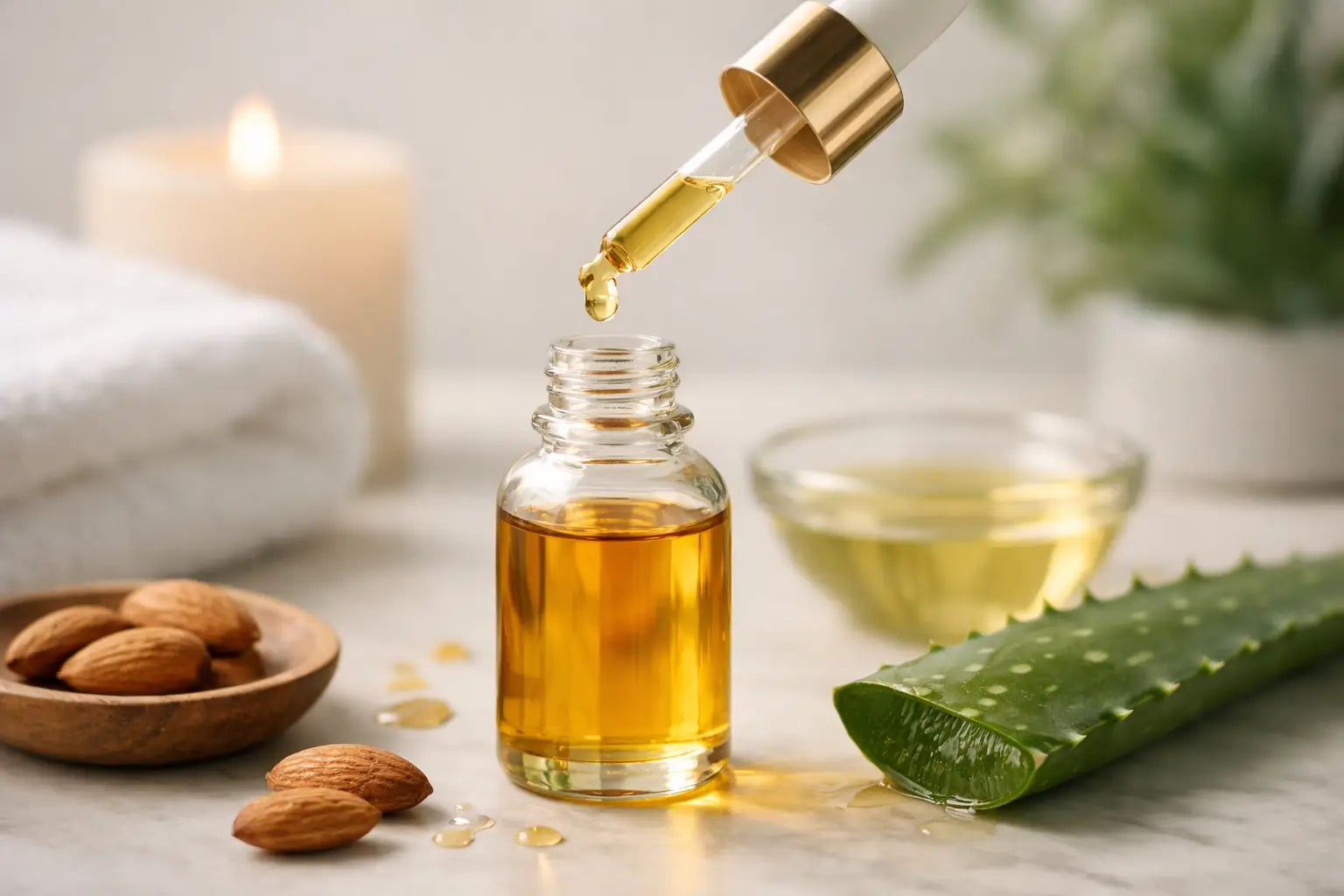
Barrier-friendly oils are usually the best place to start. Jojoba is a favourite because it closely resembles the skin’s natural sebum and feels balanced rather than greasy. Sunflower oil is rich in linoleic acid and can help support a compromised barrier. Squalane is another strong option because it feels silky, lightweight and soothing on dry or stressed skin.
Antioxidant-rich botanical oils can also be helpful, but this is where nuance matters. Some plant extracts offer real skin benefits, while others are included more for marketing than function. If your skin is highly sensitive, you may do better with fewer botanical extras and more focus on core cleansing performance.
Ingredients to approach with care
If your skin flushes easily or tends to sting, be cautious with strongly scented formulas, whether that scent comes from synthetic fragrance or essential oils. Citrus oils, peppermint and some floral oils can feel luxurious, but not every sensitive skin type will agree.
This does not mean you need to avoid every active ingredient forever. It simply means your cleanser should not be the product doing the heavy lifting in terms of exfoliation or resurfacing. Cleansing is meant to reset the skin gently, not challenge it.
How to use cleansing oil without irritating sensitive skin
Technique is just as important as formulation. Apply the oil with dry hands to dry skin and take your time massaging it in. This is the step where the cleanser breaks down sunscreen, makeup and excess oil. Use light pressure only - no vigorous rubbing, no scrubbing around the nose, and no rushing because you want that squeaky-clean finish.
Once the oil has done its job, add a little lukewarm water to emulsify if the formula is designed to do so. It should turn milky or lighter in texture, making it easier to rinse away. Hot water is a common mistake. It feels satisfying in the moment, but it can leave sensitive skin more reactive afterwards.
If you wear heavy makeup or layered SPF, you may choose to follow with a second gentle cleanser. If your skin is dry or easily irritated, one cleanse may be enough, particularly in the morning or on lower-makeup days. There is no gold star for overdoing it. The right routine is the one your skin can maintain without protest.
Common concerns about oil cleansing
One of the biggest misconceptions is that oil will automatically clog pores. In reality, a well-formulated cleansing oil is designed to remove build-up, not sit heavily on the skin. The issue is usually not oil itself, but whether the formula rinses cleanly and suits your skin type.
Another concern is breakouts. If you are acne-prone and sensitive, the idea of applying oil can sound counterintuitive. But many people with breakout-prone skin find cleansing oils less irritating than foaming cleansers that leave the skin stripped and tight. It depends on the ingredients, the rest of your routine and whether you are removing the cleanser properly.
There is also the question of whether cleansing oil is enough on its own. For many people, yes. For others, especially after a long day wearing makeup, SPF and city grime, a double cleanse gives a cleaner finish. Sensitive skin often benefits from flexibility rather than strict skincare rules.
When a cleansing oil may not be the best fit
If your skin is currently flaring with severe dermatitis, broken skin or a strong allergic reaction, even a gentle cleansing oil can feel like too much. In that case, a very basic cream cleanser or advice from a healthcare professional may be the better path until your skin settles.
It is also worth reassessing if your cleansing oil leaves a film that makes your skin feel congested, or if it contains fragrant ingredients that trigger irritation over time. Sometimes a product feels lovely in the first week, then your skin starts to object. Sensitive skin can be like that - not difficult, just honest.
Building a routine around sensitive skin, not against it
A good cleanser sets the tone for everything that follows. If your skin feels calm after cleansing, your serum and moisturiser are more likely to be tolerated well. If it feels stripped, even good products can seem like the problem.
That is why a cleansing oil fits so naturally into a wellness-led routine. It transforms cleansing from a harsh daily reset into a supportive ritual. You are not trying to force your skin into behaving. You are giving it what it needs to stay balanced.
For anyone looking to simplify their routine while still expecting strong performance, this category makes sense. Brands such as Black Chicken Remedies have helped shift the conversation away from harsh cleansing and towards ingredient-conscious formulas that work with sensitive skin, not against it. That is the standard worth looking for - gentle feel, effective removal and comfort you notice straight away.
How to choose the right one for your skin
If your skin runs dry and reactive, look for cushioning oils with minimal fragrance and a soft, nourishing finish. If you are more combination or congestion-prone, a lighter cleansing oil with good emulsification may suit you better. And if you are extremely sensitive, patch testing is not optional. Try the product on a small area first and give your skin a few days to respond.
Pay attention to the after-feel more than the marketing. Your skin should feel clean, supple and settled, not taut or shiny with residue. The best cleansing oil for sensitive skin will not announce itself with drama. It will simply do its job well, day after day, and leave your face feeling like itself again.
If your cleanser has been the step you quietly dread, that is worth changing. Sensitive skin responds best to consistency, gentleness and formulas that earn trust over time.