














That tight, hot feeling after exfoliating is your skin telling you something. If your complexion tends to flare, sting or turn red at the slightest provocation, learning how to exfoliate sensitive skin safely is less about doing more and more about choosing the right method, at the right strength, at the right pace.
Sensitive skin still benefits from exfoliation. Done well, it can help lift dull surface cells, smooth rough patches, support more even texture and allow your serums and moisturisers to sit better on the skin. Done too aggressively, it can disrupt the barrier, trigger inflammation and leave skin feeling raw for days. The difference is usually not whether you exfoliate, but how.
Why sensitive skin needs a different exfoliation approach
Sensitive skin is often dealing with a barrier that is already under pressure. That might show up as dryness, flushing, reactivity to fragrance, stinging when you apply active products or a tendency towards eczema, rosacea or dehydration. In that state, exfoliation needs to support skin renewal without stripping away the protective layer that keeps moisture in and irritants out.
This is where many people go wrong. They assume rough texture means they need a stronger scrub or more frequent acids. In reality, roughness can come from dehydration and barrier damage just as easily as built-up dead skin. If you keep exfoliating over stressed skin, you can end up chasing smoothness while creating more sensitivity.
A safer approach starts with restraint. Gentle formulas, lower frequency and close attention to how your skin responds will usually give better long-term results than a fast, aggressive routine.
How to exfoliate sensitive skin safely without overdoing it
The first decision is the type of exfoliation. There are two main categories: physical and chemical. Neither is automatically bad for sensitive skin, but both can be a problem if the formula is too harsh or the technique is too forceful.
Physical exfoliation uses fine particles or a soft cloth to remove surface build-up manually. For sensitive skin, this only works when the texture is very fine and the pressure is light. Anything gritty, jagged or overly abrasive can create micro-irritation, especially around the cheeks and nose.
Chemical exfoliation sounds stronger, but some options are surprisingly gentle when well formulated. Rather than scrubbing the skin, they loosen the bonds between dead cells so they can shed more evenly. For many people with reactive skin, this can be the better choice because it avoids friction. The key is selecting mild acids and using them sparingly.
If your skin reacts to almost everything, start with one exfoliating method only. Combining scrubs, acids, retinol and cleansing brushes in the same week is where trouble usually begins.
The best exfoliants for sensitive skin
Lactic acid is often a good place to start because it exfoliates while also helping the skin hold onto water. That makes it more forgiving than stronger acids for dry or delicate skin types. Polyhydroxy acids, or PHAs, are another strong option because their larger molecule size means they penetrate more slowly and tend to cause less irritation.
Enzyme exfoliants can also suit sensitive skin, particularly if they are balanced with soothing ingredients and free from harsh additives. These work by dissolving the proteins that hold dead skin cells together and can offer a smoother finish without the scratchy feel of a scrub.
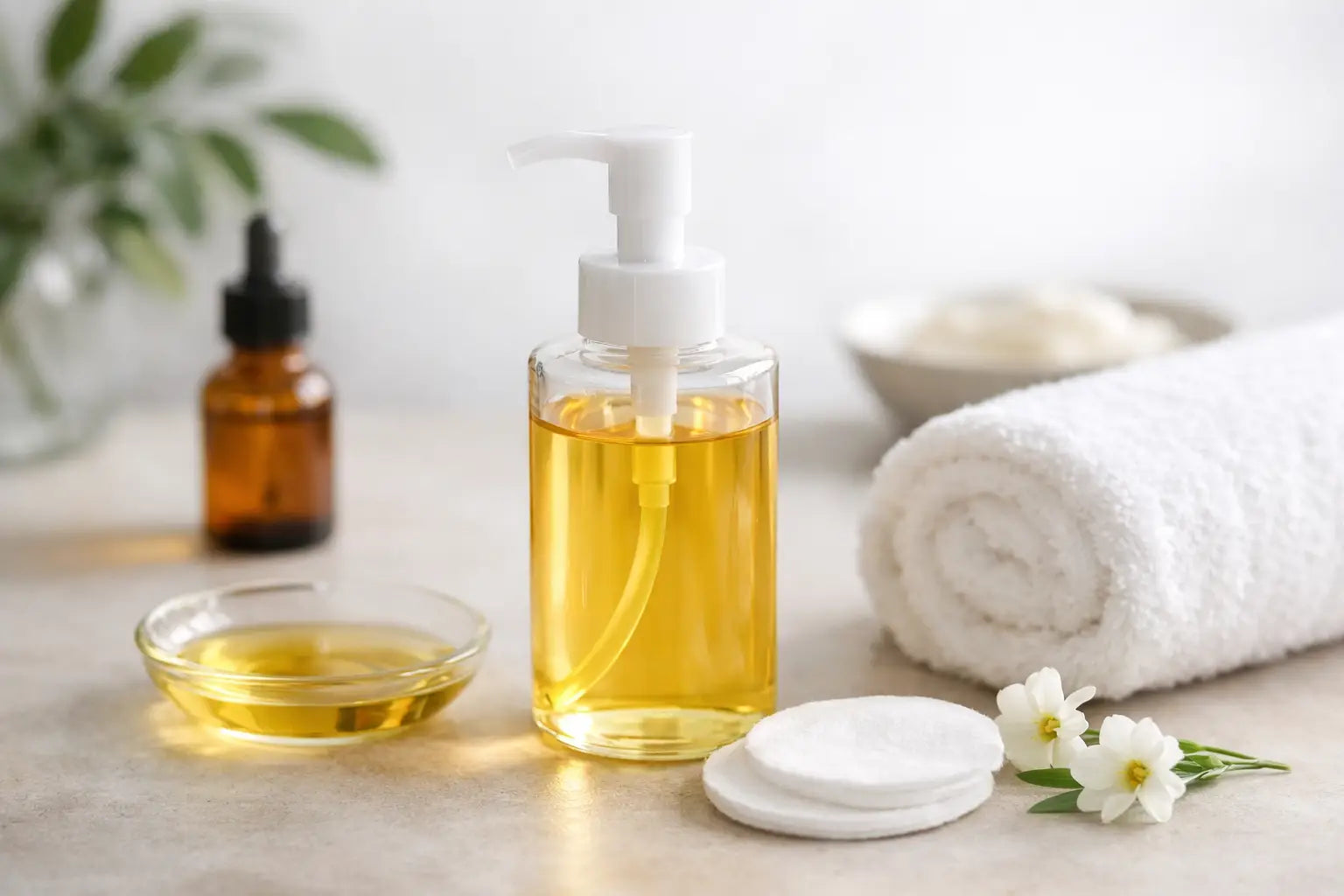
If you prefer physical exfoliation, choose a cream or oil-based formula with very fine particles and built-in cushioning. The formula matters as much as the exfoliating ingredient. A nourishing base helps reduce drag and leaves the skin more comfortable after use.
What is usually worth avoiding, at least until your skin is stable, are strong glycolic acid treatments, harsh walnut shell scrubs, rough cleansing tools and leave-on products with multiple active acids stacked together.
Start slower than you think you need to
When deciding how often to exfoliate, sensitive skin almost always does better with less. Once a week is a sensible starting point. If your skin stays calm for several weeks, you may be able to increase to twice weekly, but only if there is no lingering dryness, redness or stinging.
There is no prize for using an exfoliant more often. Skin renewal takes time, and over-exfoliation tends to show up slowly. At first, your skin may feel smooth and look brighter. Then the barrier starts to weaken, and suddenly your usual cleanser burns, your moisturiser doesn’t feel like enough and everything looks a bit shiny and irritated.
Spacing out exfoliation gives your skin time to recover and rebuild. For many sensitive skin types, that slower rhythm is exactly what keeps results visible and irritation low.
Patch testing matters more when your skin is reactive
Before applying any new exfoliant to your full face, patch test it on a small area for a few nights in a row. The side of the jaw or behind the ear can work well. Watch for delayed reactions, not just immediate stinging.
A little tingling can happen with some active products, but burning, heat, swelling or prolonged redness are signs to stop. Sensitive skin often gives clear feedback. The trick is listening early instead of pushing through.
Your exfoliation routine should protect the barrier
If you want to know how to exfoliate sensitive skin safely, the answer is not just the exfoliant itself. It is the full routine around it.
On exfoliation nights, keep everything else simple. Cleanse gently, exfoliate, then follow with a hydrating serum or moisturiser designed to support the skin barrier. Ingredients such as hyaluronic acid, ceramides, squalane, aloe vera and calming botanical oils can help replenish comfort and reduce post-exfoliation tightness.
Skip other strong actives on the same day, especially retinoids, vitamin C in potent forms or additional acids. Sensitive skin does not usually respond well to a stacked routine. One active step is often enough.
The next morning, be diligent with SPF. Freshly exfoliated skin can be more vulnerable to UV damage, and even a mild treatment can leave skin more reactive in the sun. Daily sun protection is non-negotiable if you want smoother, calmer skin over time.
Signs you are exfoliating too much
Over-exfoliation is easy to miss because it can masquerade as a skin concern you want to fix. Breakouts, flaking and rough texture do not always mean your skin needs more exfoliation. Sometimes they mean it needs less.
Common signs include persistent redness, a shiny but tight surface, stinging when applying simple products, sudden dryness, itchiness and new sensitivity to products that never used to bother you. If that sounds familiar, pause exfoliation for at least a week or two and focus on barrier repair.
That means a gentle cleanser, rich hydration and no extra actives. Once your skin feels settled again, reintroduce exfoliation carefully and at a lower frequency.
Exfoliating different kinds of sensitive skin
Not all sensitive skin behaves the same way. Dry sensitive skin usually needs exfoliants with added hydration and fewer applications. Oily but sensitive skin may tolerate a little more regular exfoliation, but still needs non-stripping formulas. Skin prone to rosacea or eczema often requires the most caution, and in active flare-ups it is usually best to avoid exfoliation altogether.
Season matters too. In winter, skin can become drier and more reactive, which means the exfoliation routine that worked in warmer months may suddenly feel too strong. Hormonal shifts, stress and overuse of active skincare can all change your tolerance.
That is why the best routine is rarely the most intense one. It is the one your skin can maintain consistently.
A simple weekly routine that works
For most people with sensitive skin, a straightforward routine is enough. Cleanse with a non-stripping formula in the evening, use a gentle exfoliant once a week, then apply a nourishing serum or moisturiser. On the other nights, focus on hydration and barrier support only.
If your skin responds well after a month, you might move to twice weekly. If it becomes unsettled, pull back immediately. There is no need to force a schedule that your skin clearly dislikes.
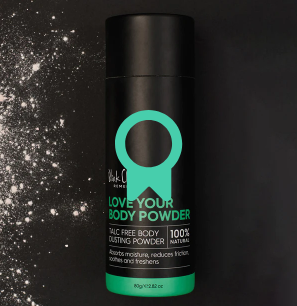
This is where well-formulated natural skincare can make a real difference. Products that pair exfoliating ingredients with calming, nutrient-rich oils and botanical support tend to fit more easily into a sensitive-skin ritual. At Black Chicken Remedies, that balance between performance and skin comfort is exactly the point.
Gentle exfoliation is still effective
There is a persistent myth that if you cannot feel exfoliation working, it is not doing anything. Sensitive skin proves otherwise. A gentle formula used consistently can improve softness, clarity and glow without leaving your face red and overworked.
Think of exfoliation as maintenance, not a reset button. You do not need to strip your skin back to get results. You need enough exfoliation to support natural cell turnover, and enough nourishment to keep the barrier strong.
When you take that approach, skin usually becomes more comfortable, not less. It looks smoother, feels calmer and is better able to handle the rest of your routine.
The safest exfoliation routine is the one that leaves your skin balanced the next day. If it feels calm, hydrated and quietly radiant, you are on the right track.