













Australian skin deals with more than the usual daily wear and tear. Strong UV, dry air, humidity, hard water, air-conditioning and seasonal swings can all show up on your face fast - often as dehydration, sensitivity, congestion or a dull, unsettled complexion. That is why an organic skincare routine Australian shoppers choose needs to do more than look clean on the label. It needs to support the skin barrier, feel good to use every day and deliver visible results without tipping sensitive skin over the edge.
For most people, the best routine is not the longest one. It is the one that keeps skin calm, balanced and consistent. Natural and certified organic ingredients can play a powerful role here, especially when formulas are built for performance rather than trends. The goal is not perfection. It is skin that feels comfortable, resilient and well cared for in real Australian conditions.
What makes an organic skincare routine work?
A strong routine starts with restraint. Over-cleansing, too many actives and constant product switching are common reasons skin becomes reactive. An effective organic skincare routine should help your skin do its job better - hold moisture, defend itself and renew naturally - without stripping it down first.
That usually means choosing products with a clear function. A gentle cleanser should remove sunscreen, makeup, sweat and city grime without leaving your face tight. A serum or facial oil should replenish and support the barrier. An exfoliant should refine the skin, not punish it. And every step should earn its place.
Organic skincare also asks a fair question: what are you putting on your skin every day, and how much of it is necessary? For many Australians, the shift to natural formulations is not only about avoiding harsh chemicals. It is about finding products that perform well, sit comfortably on sensitive skin and fit into a broader wellness ritual.
Building an organic skincare routine Australian skin actually needs
There is no single routine for every face, but there is a smart order. Start with the essentials and then adjust based on your skin type, environment and age.
Step 1: Cleanse without stripping
In the morning, a light cleanse is often enough. At night, cleansing matters more because you are removing sunscreen, pollution, excess oil and whatever the day has left behind. A cleansing oil can be especially effective if your skin leans dry, sensitive or mature, because it helps dissolve buildup while keeping the skin comfortable.
If your skin is oily or combination, you may still prefer a cleanser with a fresh finish, but be wary of that squeaky-clean feeling. It often means your barrier has been compromised. Skin that feels stripped can respond by producing more oil, becoming more reactive or showing rough texture.
Step 2: Replenish with targeted hydration
After cleansing, skin is more receptive to nourishing ingredients. This is where a serum or face oil can make a real difference, particularly if you are dealing with tightness, dehydration or sensitivity. Look for botanical oils and plant-based actives known for calming and softening the skin rather than overloading it.
This step matters in Australia because even oily skin can be dehydrated. Air-conditioning, heating and sun exposure can leave skin lacking water while still producing surface oil. A well-formulated serum or facial oil helps restore balance, so skin feels supple rather than greasy.
Step 3: Moisturise according to season
Not every Australian needs a heavy cream year-round. In humid months, lighter layers may be enough. In cooler or drier regions, your skin may need richer support to reduce transepidermal water loss. The right moisturising step depends on how your skin behaves at the end of the day, not just how it looks in the mirror after washing.
If your skin often feels tight by afternoon, flakes around the nose or reacts quickly to weather shifts, your routine may need more nourishment. If it feels congested or shiny by lunch, you may need a lighter hand. This is where routine design beats trend following.
Step 4: Exfoliate with care
Exfoliation can brighten the complexion and help smooth uneven texture, but more is not better. Once or twice a week is enough for many people, particularly if your skin is sensitive. Gentle exfoliants can support cell turnover and improve how well the rest of your routine absorbs, but aggressive scrubs or strong acids used too often can leave skin inflamed.
The trade-off is simple. Exfoliate too little and skin may look dull or feel rough. Exfoliate too much and you risk redness, dryness and a weakened barrier. The sweet spot is consistent, gentle renewal.
How to choose products for your skin type
Sensitive skin needs fewer variables. Fragrance-heavy formulas, harsh surfactants and overly active routines can all lead to flare-ups. If your skin stings easily or turns red for no obvious reason, keep your routine minimal and focus on calming, barrier-supportive ingredients.
Dry or mature skin usually benefits from richer oils, balm textures and replenishing ingredients that help lock in moisture. You want comfort, elasticity and long-term skin balance, not a temporary glow that disappears after ten minutes.
Oily or breakout-prone skin still needs nourishment. The mistake is assuming oilier skin should be dried out. In reality, stripping the skin can increase imbalance. Lightweight, non-greasy formulations often work best here, with gentle exfoliation used strategically rather than daily.
Combination skin can be the trickiest because one area feels dry while another is congested. In that case, a balanced cleanser and a flexible moisturising step often work better than separate routines for every zone of your face.
Why climate matters in an organic skincare routine Australia-wide
Skin in Brisbane does not behave exactly like skin in Melbourne, Perth or Hobart. Humidity, heat and sweat can increase congestion and make richer products feel too much. Cooler temperatures and dry winds can leave skin dull, tight and reactive. Even indoor environments matter. Long hours under office air-conditioning can dry out skin more than a winter walk.
That is why a good routine should adapt. You may use the same core products year-round but change frequency, texture or amount. In summer, you might use less facial oil at night and exfoliate a little more regularly. In winter, you might increase nourishment and simplify active steps.
Listening to your skin is part of high-performance skincare. If a product worked beautifully in February but feels heavy in November, that is not failure. It is skin responding to environment, hormones and lifestyle.
Ingredients worth looking for
Organic skincare is not about throwing every botanical into one bottle. It is about thoughtful formulation. Plant oils, antioxidant-rich extracts and naturally derived ingredients can support the skin beautifully when they are chosen well and blended with purpose.
For dryness and sensitivity, nourishing oils can help soften and protect. For dullness, gentle exfoliating ingredients and antioxidant support can improve clarity. For stressed skin, calming botanicals can reduce that tight, irritated feeling many Australians know too well after too much sun or environmental exposure.
What matters just as much is what is left out. If your skin is reactive, simpler ingredient decks can be a genuine advantage. More ingredients do not always mean more results.
Common mistakes that hold routines back
The first is changing everything at once. If you start a cleanser, exfoliant, serum and moisturiser in the same week, it is hard to know what your skin actually likes. Introduce products gradually and give them time.
The second is expecting overnight transformation. Barrier repair, texture refinement and improved skin balance usually take consistency. Products that work with your skin often show their strength over weeks, not hours.
The third is confusing irritation with effectiveness. Tingling, burning and redness are not badges of honour. A routine should feel supportive. Results-driven skincare can still be gentle.
A routine that feels good is easier to keep
That may sound obvious, but it matters. If your products feel heavy, complicated or unpredictable, you are less likely to use them consistently. The best organic skincare routine is one that fits your real life - morning rush, post-gym shower, late-night cleanse and all.
This is where premium natural skincare earns its place. When formulations are built to be both clean and high-performing, self-care becomes easier to maintain. You are not choosing between sensitivity support and visible results. You are choosing products designed to do both.
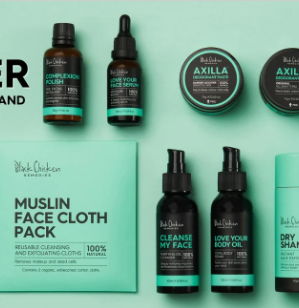
For anyone reassessing their skincare, start simple. Cleanse gently, replenish thoughtfully and exfoliate with care. If you want a natural routine that works with your body - not against it - Black Chicken Remedies reflects that same philosophy across everyday wellness.
Good skin rarely comes from doing the most. It usually comes from doing the right things, consistently, with formulas your skin can trust.