












A rich facial oil can feel like exactly what dry, tight skin has been asking for. But if you are prone to blackheads, congestion or breakouts, it is fair to wonder: can face oil clog pores? The short answer is yes, it can - but not all oils behave the same way, and the amount you use, the formula around it and your individual skin all matter.
Face oils are not automatically too heavy for acne-prone or combination skin. The right formula can soften rough texture, support a comfortable skin barrier and give skin a healthy-looking glow without leaving it greasy. The key is choosing thoughtfully and applying it in a way that works with your skin, rather than against it.
Can face oil clog pores?
Pores do not physically open and close, but they can become congested when excess oil, dead skin cells, sunscreen, makeup and environmental build-up collect inside them. This can lead to blackheads, whiteheads and inflamed blemishes.
Some facial oils are more likely to contribute to that build-up for some people, particularly if they are very rich, applied too generously or layered over skin that has not been properly cleansed. That does not mean the oil itself is always the sole cause of a breakout. Hormonal changes, stress, friction, hair products, a disrupted skin barrier and introducing several new products at once can all play a part.
It is also worth separating the feeling of an oil from its effect. A silky oil that absorbs quickly is not guaranteed to be non-comedogenic, while a more nourishing oil is not automatically pore-clogging. Your skin's response over several weeks is more useful than judging a formula by texture alone.
What does comedogenic mean?
Comedogenic describes an ingredient's potential to contribute to comedones, which is the clinical term for blackheads and whiteheads. You may see oils described as non-comedogenic, meaning they are generally considered less likely to block pores.
These ratings can be a helpful starting point, but they are not a promise. Much of the popular comedogenicity information comes from older testing methods, and skin is far more complex than a single ingredient score. A finished product also contains a blend of ingredients, used at particular concentrations. How you cleanse, your climate and your natural oil production can change the outcome too.
For this reason, ingredient awareness is valuable, but real-world use matters most. A formula that leaves your skin calm, supple and clear is doing its job, regardless of what an online chart says.
Why some face oils work beautifully for blemish-prone skin
When skin feels stripped or dehydrated, it can become uncomfortable, reactive and prone to producing more surface oil. This is especially common after over-cleansing, harsh exfoliation or using strong blemish treatments too often. A well-chosen face oil can help reduce water loss from the skin, leaving it softer and better supported.
Many lighter plant oils contain fatty acids that complement the skin's natural lipids. Oils such as jojoba, squalane, hemp seed and rosehip are often favoured in facial care because they can feel lighter than heavier, more occlusive options. But even a light oil can be too much if your skin is very oily, highly congested or already has multiple rich layers in its routine.
The goal is not to avoid every oil. It is to find the balance between nourishment and excess. For some people, that means a few drops at night. For others, a facial oil may work best only through dry winter weather, after travel or on areas that need extra comfort.
Your skin type is only part of the story
Dry skin can benefit from oils, but dry skin can still break out. Oily skin can be congested, but it can also be dehydrated and in need of barrier support. Combination skin may prefer oil on the cheeks and a lighter routine through the T-zone.
Consider your current skin condition as well as your skin type. If you have a cluster of active blemishes, a simplified routine may be the kindest approach. If your skin is flaky, tight or irritated from active treatments, a gentle facial oil could be useful once your cleansing and treatment steps are under control.
How to use face oil without overwhelming your pores
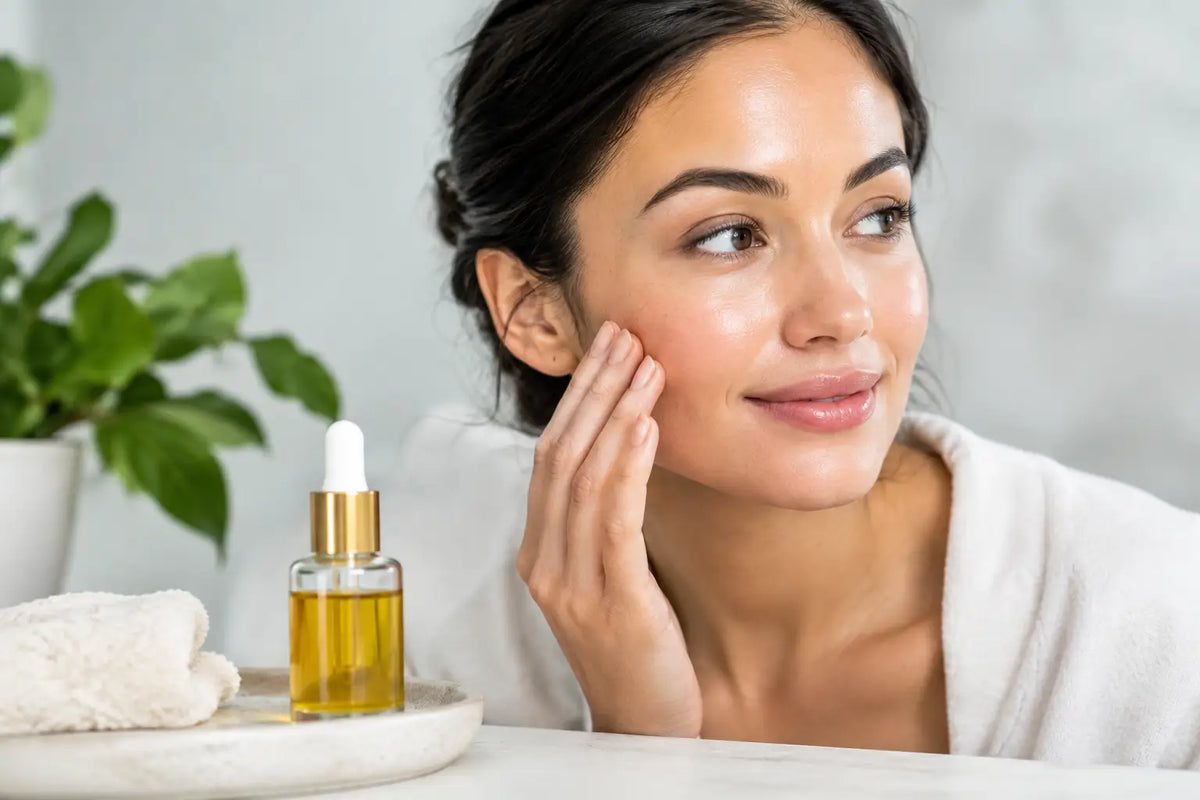
Application technique makes a genuine difference. Facial oil is concentrated, so more is not better. Start with two or three drops for the whole face and neck, then adjust only if your skin still feels dry after a week or two.
Use it after water-based serums and moisturiser, if you use one. Oils are excellent at sealing in hydration, but they do not add water to the skin on their own. Applying oil over slightly damp skin, or over a hydrating serum, can help it spread easily and support a comfortable finish.
In the morning, use a small amount and allow it to settle before applying sunscreen. If your complexion becomes shiny or your sunscreen pills, reserve face oil for your evening ritual instead. At night, make sure you remove sunscreen, makeup and the day's build-up thoroughly before applying any nourishing layers.
A gentle cleansing oil can also be a useful first cleanse, especially if you wear water-resistant sunscreen or makeup. The difference is that a cleansing oil is designed to be rinsed away with the day's debris, while a leave-on face oil is designed to remain on the skin. Choose the right product for the right step.
Ingredients and habits that can make congestion worse
If you are suddenly experiencing clogged pores, do not assume your face oil is the culprit before looking at the full picture. Heavy foundation, unwashed makeup brushes, residue from styling products around the hairline and infrequent pillowcase changes can all contribute to congestion. So can scrubbing too hard in an attempt to remove it.
Over-exfoliating is a particularly common cycle. Skin starts to look textured, so you add more acids, scrubs or cleansing steps. The skin barrier becomes stressed, redness and dryness follow, and the complexion can look even less settled. In that situation, adding a rich oil may feel soothing initially but can be one layer too many.
Keep your routine steady while you assess a new product. Introduce one formula at a time and give it two to four weeks, unless you experience burning, significant irritation or a clear worsening of breakouts. Take note of where blemishes appear. Congestion across the forehead and temples may point to hair products, while spots around the jawline are often influenced by hormones.
Choosing a face oil for your skin
Look for a formula with a clear ingredient list and a texture that suits how your skin feels, not just how it is labelled. If you are oily or prone to blocked pores, choose lighter-feeling oils and avoid applying a thick layer. If your skin is dry and sensitive, a more cushioning blend may be welcome, provided you introduce it gradually.
Fragrance can also be a consideration. Naturally derived aromatic ingredients may be beautiful to use, but sensitive or reactive skin may prefer a simpler, fragrance-free option. Natural skincare should still feel considered, comfortable and high-performing on your individual skin.
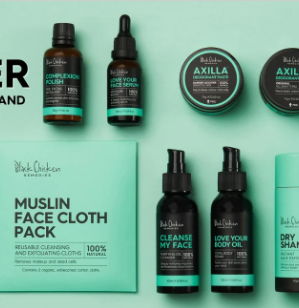
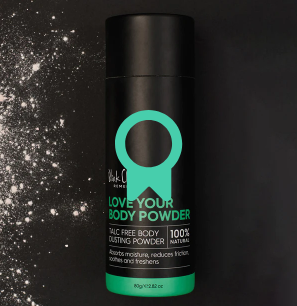
At Black Chicken Remedies, skincare rituals are designed to support skin with thoughtfully selected natural ingredients and sensorial textures that make consistency feel easy. The best ritual is never the one with the most steps. It is the one your skin responds to calmly, day after day.
A simple patch-test and trial plan
Before using a new face oil all over, apply a small amount to the side of your face or along the jawline for several evenings. If your skin stays comfortable, move to a few drops across the face. Avoid changing your cleanser, exfoliant and moisturiser at the same time, as this makes it difficult to identify what is helping or causing a reaction.
Watch for persistent new closed bumps, increased blackheads or breakouts that continue beyond an initial adjustment period. Stop using the product if this happens, then return to a simple routine of gentle cleansing, moisturising and daily sunscreen. If acne is painful, widespread or affecting your confidence, a GP or dermatologist can help you find targeted support.
Face oil is not a shortcut to perfect skin, nor is it something acne-prone skin must fear. Used with restraint and chosen for your skin's needs, it can be a deeply comforting final step - one that leaves your complexion nourished, balanced and ready to face the day.