












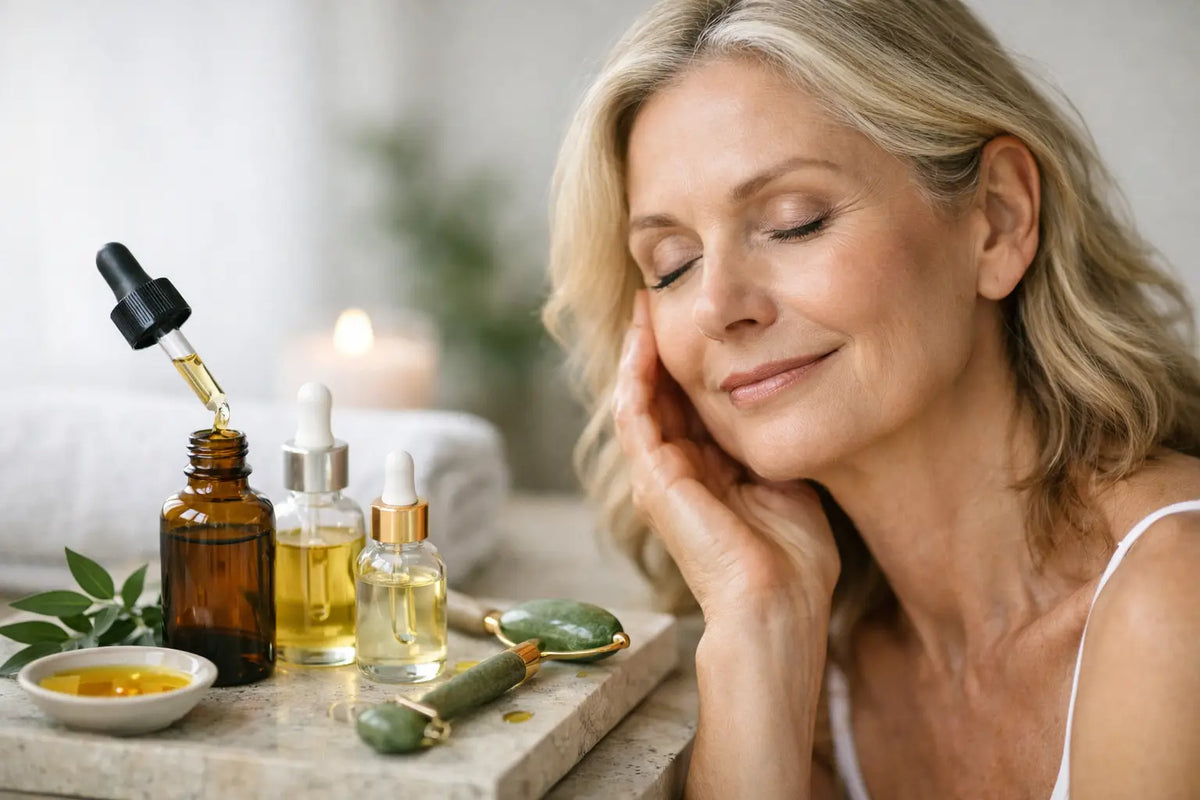
Fine lines rarely arrive alone. Skin can also start to feel drier by mid-afternoon, less bouncy after cleansing and more reactive to products it once tolerated easily. The right face oil for mature skin can be a beautifully simple way to restore comfort, cushion and visible radiance - provided it suits your skin rather than simply sounding luxurious on the label.
Face oil is not about chasing an overly shiny finish. Used thoughtfully, it helps reinforce a nourishing skincare ritual that supports skin’s natural protective barrier. For mature skin, that can mean a softer feel, less tightness and a healthier-looking glow that lasts beyond the first few minutes after moisturising.
Why mature skin often responds well to face oil
As skin matures, it can produce less of its own oil and become more prone to water loss. This is influenced by changes in hormones, environmental exposure, stress, sleep and the skincare habits built over many years. A heated office, dry winter air, air conditioning and enthusiastic exfoliation can all make the situation feel more noticeable.
Plant oils contain fatty acids that soften and condition the skin. Applied as the final nourishing step in a routine, they can help reduce the feeling of dryness by creating a light seal over hydration. The result is not a substitute for water-based hydration, but a more comfortable environment for it.
That distinction matters. Dehydrated skin needs water and humectant ingredients that draw it into the upper layers of skin. Dry skin needs lipids and emollients to replenish its oily, protective surface. Many people with mature skin experience both, which is why a hydrating serum or mist followed by moisturiser and a few drops of oil can work so well.
What to look for in a face oil for mature skin
The best formula is not necessarily the richest one. Mature skin varies enormously: some complexions are dry and delicate, while others remain combination, congestion-prone or sensitive. Choose according to how your skin feels and behaves, not just your age.
Fatty acids that support comfort
Look for naturally nutrient-rich oils with a balanced fatty acid profile. Jojoba is technically a wax ester and has a light, skin-compatible feel. Rosehip oil is valued for its essential fatty acids and naturally occurring vitamin A compounds, while argan oil offers a soft, cushioning finish. Squalane, often derived from olives or sugarcane, is another excellent option for those who want nourishment without a heavy coating.
For very dry skin, richer oils such as avocado or evening primrose can feel particularly comforting. These can be helpful in cooler months or when the skin barrier feels depleted, although a lighter blend may be more wearable beneath make-up in humid Australian weather.
Antioxidant support
Mature skin is exposed to daily oxidative stress from UV exposure, pollution and lifestyle factors. Antioxidant-rich botanical oils can support a more resilient-looking complexion and complement, rather than replace, broad-spectrum SPF.
Vitamin E is commonly included to help protect the oil blend from oxidising and to condition skin. Botanical extracts can also bring valuable antioxidant benefits, but simpler is often better if your skin is sensitive or prone to flushing.
A formula your skin can actually tolerate
Natural does not automatically mean suitable for every complexion. Essential oils and fragrant botanical extracts may be lovely sensorially, but some sensitive skins prefer an unfragranced formula or one with a short, considered ingredient list.
If your skin is reactive, introduce one new product at a time. Patch test first by applying a small amount to the inner arm or along the jawline, then wait 24 to 48 hours. This small pause is worthwhile, especially if you have a history of eczema, rosacea, dermatitis or contact sensitivities.
How to apply face oil for the best result
A face oil works best on skin that has already received hydration. After cleansing, apply a hydrating serum or moisturiser while skin is still slightly damp, then warm two to four drops of oil between your palms. Press it gently across the face, neck and décolletage rather than pulling or vigorously massaging.
The amount is deliberately modest. A face that looks slick or feels as though product is sitting on top may simply have received too much. Start with two drops, particularly in the morning, and add another only if skin still feels dry.
At night, you may prefer a more generous application, especially over dry areas such as the cheeks, temples and neck. Take a moment to press the oil into the skin with slow, upward movements. It is a small ritual, but consistent care often feels as beneficial as the formula itself.
Where oil fits in your routine
Generally, apply skincare from thinnest texture to richest. Cleansing comes first, followed by water-based treatments, moisturiser and then face oil. In the morning, sunscreen should be the final step. If you prefer to blend a drop of oil into your moisturiser, that can work too, although applying it separately makes it easier to adjust the quantity.
Oil should not replace sunscreen, and it does not make a product with SPF more protective. Australia’s UV levels are intense, including on overcast days, so daily broad-spectrum sun protection remains one of the most effective ways to care for mature-looking skin.
Common concerns, answered honestly
Will face oil make my skin greasy or cause breakouts?
It depends on the oil, your skin type and how much you use. A lightweight, fast-absorbing blend can suit combination skin well, while a dense oil may feel too occlusive in warmer weather. Breakouts can also be linked to a compromised barrier, hormones or other products in your routine, so do not assume oil is always the culprit.
If you are congestion-prone, choose a simple, lighter formula and use just one or two drops over hydrating skincare. Give it a few weeks of consistent use before deciding how your skin responds, unless irritation or persistent breakouts appear.
Can I use face oil if I already use moisturiser?
Yes. Moisturiser and oil do different jobs. A well-formulated moisturiser can combine humectants, emollients and occlusives, while oil adds an extra layer of lipid-rich comfort. You may not need both every day, but pairing them can be especially helpful when skin feels dry, after travel, through winter or following time in air conditioning.
Can face oil reduce wrinkles?
Face oil can soften the appearance of fine lines caused by dryness by plumping the skin’s surface with moisture and lipids. It cannot erase wrinkles or replace evidence-based treatments, consistent sun protection, sleep and a balanced skincare routine. Its strength is in helping the skin look and feel more supple, nourished and comfortable.
Make your ritual work with the seasons
Your skin’s needs are not fixed. A blend that feels perfect in July may be too rich during a humid January, while a few extra drops at night can be welcome after a day in wind, sun or indoor heating. Let texture, comfort and any signs of congestion guide you.
Black Chicken Remedies approaches natural skincare with this balance in mind: considered ingredients, high-performing rituals and care that respects sensitive skin. There is no need to overload your bathroom shelf. A gentle cleanser, hydration, moisturiser, face oil when needed and daily SPF can be a powerful foundation.
The best face oil is the one you reach for consistently because it leaves your skin calm, soft and cared for. Start small, listen to what your complexion is telling you and allow your routine to change as your skin does.