










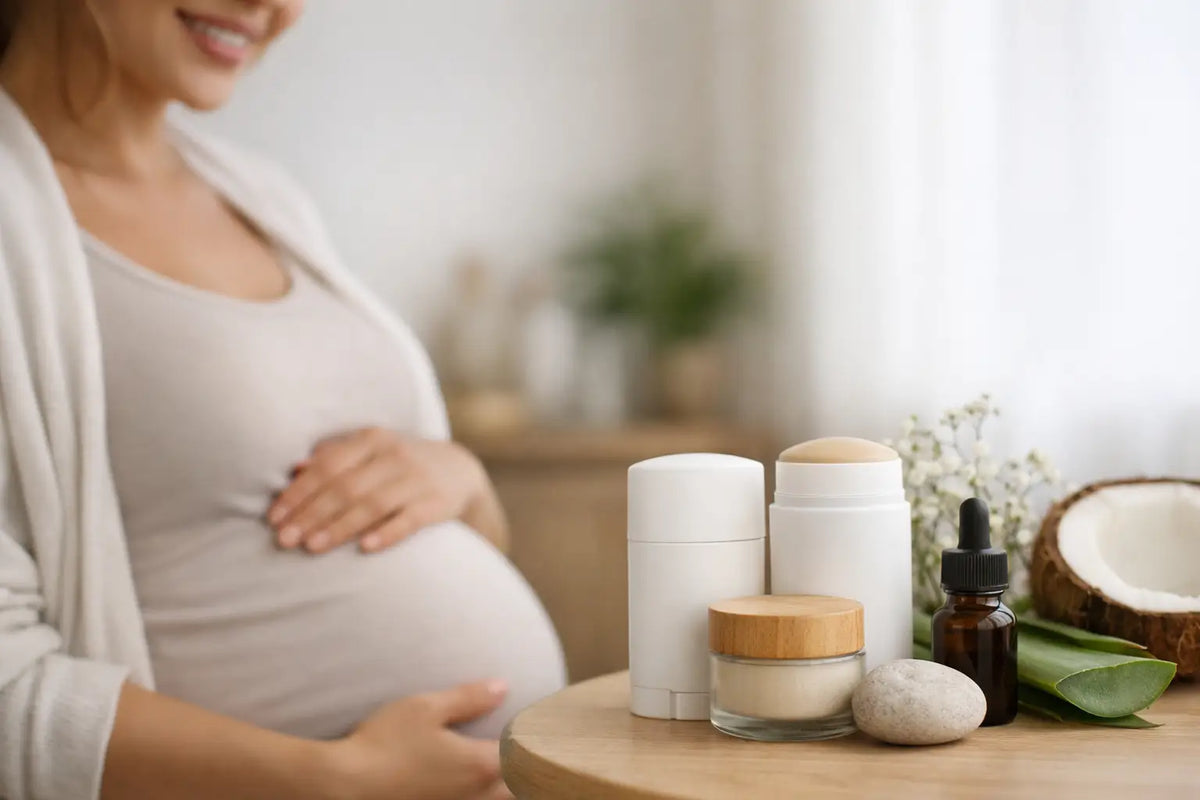
Pregnancy has a way of making an everyday product feel like a bigger decision. If you are wondering, are natural deodorants pregnancy safe, the reassuring answer is that many can be a sensible option - provided you look beyond the word “natural” and choose a formula that suits your skin, sensitivities and personal health needs.
Your body is changing quickly, and your underarms may change with it. More sweating, a stronger body odour, heightened sensitivity and fragrance aversions are all common. The right deodorant should offer dependable odour protection while feeling gentle enough for a season when comfort matters more than ever.
Are natural deodorants pregnancy safe for most people?
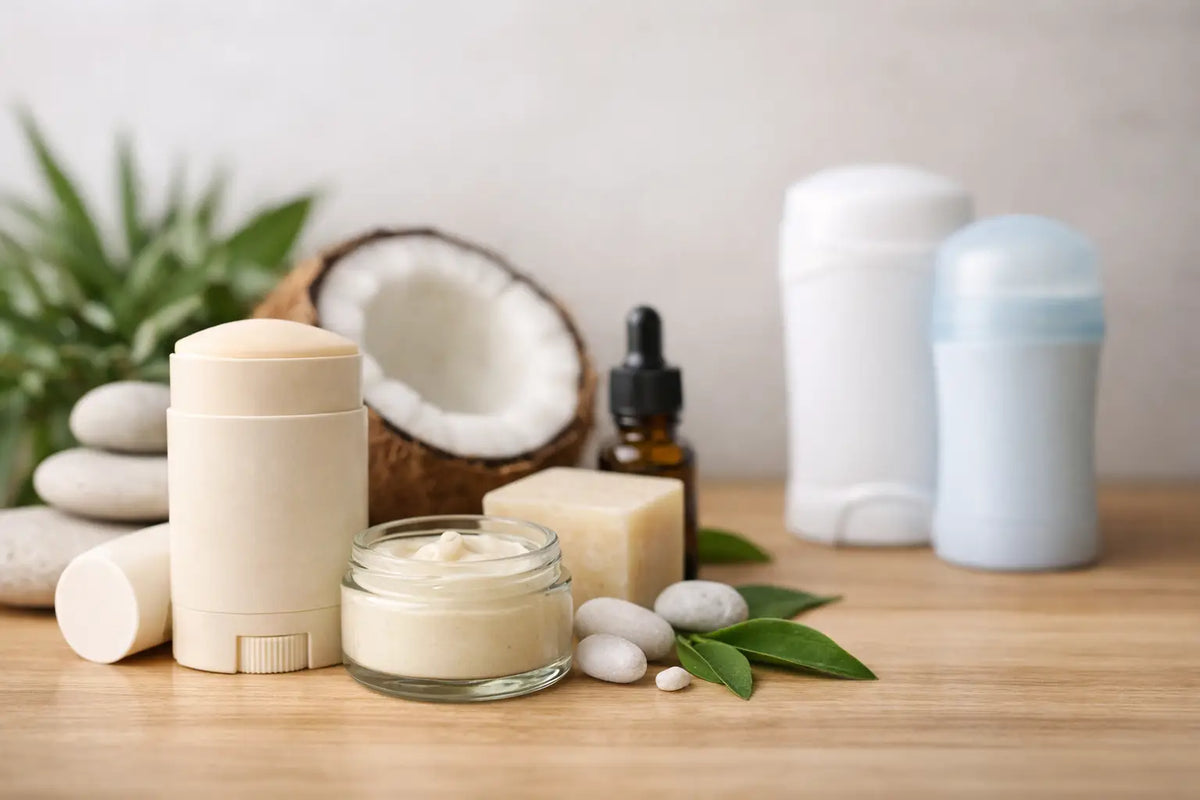
Natural deodorants are generally used to manage body odour rather than stop perspiration. They often rely on ingredients such as bicarbonate of soda, magnesium, zinc, plant powders, botanical oils and natural fragrance blends to help keep odour-causing bacteria in check.
For many pregnant people, a well-formulated natural deodorant is a practical everyday choice. But “natural” is not a universal safety guarantee. Plant-derived ingredients can still trigger irritation or allergy, particularly when pregnancy has made your skin more reactive. Essential oils are natural too, yet they are concentrated compounds and deserve the same thoughtful approach as any other active ingredient.
The best choice depends on your individual circumstances. If you have a high-risk pregnancy, a history of severe allergies, eczema in the underarm area, or have been advised to avoid particular ingredients, speak with your GP, midwife, obstetrician or pharmacist before making a switch. Personalised advice always outweighs a broad product claim.
Deodorant and antiperspirant are not the same thing
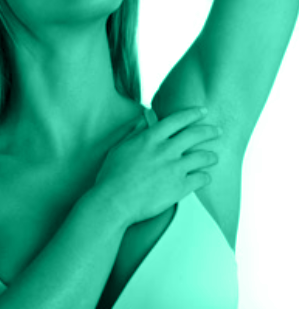
This distinction can make your decision clearer. A deodorant addresses odour. An antiperspirant is designed to reduce sweating, usually by using aluminium-based salts to form temporary plugs in sweat ducts.
Neither sweating nor a change in body odour means anything is wrong. Sweating is one of the ways your body regulates temperature, which can be particularly welcome when pregnancy brings warmer nights or sudden flushes. A natural deodorant lets that normal process continue while helping you feel fresh and confident.
Some people choose to avoid aluminium-based antiperspirants during pregnancy because they prefer a simpler routine or want to reduce their exposure to certain ingredients. That is a personal preference, not a reason to panic about products you may have used before you knew you were pregnant. If you have a specific concern about a conventional antiperspirant, bring the product or ingredient list to your care team for advice that reflects your health history.
What to look for in a pregnancy-conscious deodorant
Ingredient transparency matters. A brand should make it easy to see what is in the formula and explain what each product is designed to do. This helps you choose with confidence rather than relying on vague labels such as clean, pure or chemical-free.
If your skin is comfortable with bicarbonate of soda, it can be very effective for odour control. For some people, however, it can cause redness, dryness, itching or a rash - and sensitive underarms may be less tolerant during pregnancy. A bicarb-free deodorant can be a better fit if your skin has reacted in the past or simply feels tender now.
Fragrance is another area to assess honestly. Pregnancy can make a once-loved scent feel overwhelming, or turn a fragranced product into an irritation trigger. Consider an unscented option, or choose a lightly scented formula and patch test it first. This is not about avoiding every botanical ingredient; it is about choosing the amount and format your body handles well.
You may also prefer formulas without aluminium salts, synthetic fragrance, triclosan or harsh drying alcohols. These choices can align well with a lower-fuss, sensitive-skin routine, though the most useful product is ultimately one you can wear comfortably and consistently.
Essential oils need a measured approach
Essential oils can create a beautiful sensory ritual, but more is not better. Their safety depends on the specific oil, concentration, how it is used and your own medical context. A deodorant is applied to a small area of intact skin, which is different from taking essential oils internally or using heavily concentrated blends over large parts of the body.
Avoid applying undiluted essential oils to your underarms, especially after shaving. Choose properly formulated products instead, and pause use if you experience stinging, redness, hives or persistent itch. If you are unsure about a particular oil or have been given pregnancy-specific medical advice, check with your maternity care provider.
How to make the switch without upsetting your underarms
You do not need to “detox” your underarms before using natural deodorant. Your body already has effective systems for processing and removing waste. What can happen, though, is that you notice your natural sweat and body odour more while moving away from an antiperspirant that previously reduced wetness.
Start with clean, dry underarms and use only the amount your product recommends. Applying too much can leave residue on skin or clothing without improving protection. If you shave, wait until any nicks or irritation have settled before applying deodorant, as freshly shaved skin is more vulnerable to a sting.
Give the formula a fair trial, but do not push through a reaction. Mild changes in perspiration can be expected, while burning, a rash or ongoing discomfort are signs to stop and reassess. A bicarb-free or fragrance-free formula may give you the protection you want with a gentler skin feel.
It also helps to keep the rest of your underarm routine simple. Avoid layering multiple fragranced products, harsh scrubs or strong acids in the same area. During pregnancy, your skin may benefit from fewer variables and more consistency.
When extra caution makes sense
Natural deodorant is not a treatment for a skin condition. If you have broken skin, a weeping rash, painful lumps, swelling, signs of infection or a sudden unexplained change in body odour, seek medical advice rather than trying to solve it with a new deodorant.
The same applies if you develop darkened, thickened or persistently itchy skin in the underarm area. Pregnancy can bring many normal skin changes, but it is always worth having a new or worrying symptom checked by a health professional.
Be particularly careful if you have known fragrance allergies or have reacted to essential oils, bicarb or preservative systems before. Read the full ingredient list each time you buy, as formulas can differ across scents and product ranges. A patch test on your inner arm can be useful, although it cannot guarantee that the delicate skin of your underarms will respond in exactly the same way.
A gentler way to stay fresh through pregnancy
Choosing a deodorant in pregnancy does not need to become another source of pressure. Focus on a transparent formula, realistic odour protection and a texture that keeps sensitive underarms comfortable. A natural deodorant can be a supportive part of your daily wellbeing ritual when it is made with care and chosen for your skin, not just its label.
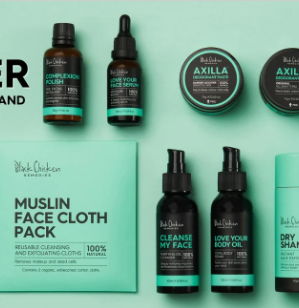
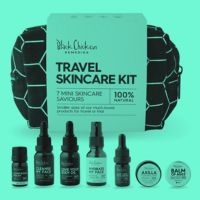
Black Chicken Remedies’ Axilla range is designed for high-performance odour protection with sensitive underarms in mind, including bicarb-free options for those who need a gentler approach. Still, your comfort is the best guide: if a formula feels good, performs well and fits the advice of your care team, it can be one small, reassuring part of caring for yourself during pregnancy.