










A natural deodorant review should answer one question before anything else: will it keep you feeling fresh when life gets warm, busy and a little unpredictable? For sensitive underarms, the answer is not found in a pretty jar or a long ingredient list. It comes down to formula, application, skin compatibility and whether the product performs through a workday, a gym session or a humid Australian summer afternoon.
Natural deodorant is often chosen by people who want to move away from conventional antiperspirants, or who are tired of underarm redness, stinging and residue on clothes. But natural does not automatically mean gentle, and gentle does not have to mean ineffective. The best formulas balance odour control with ingredients that support comfortable, healthy-looking skin.
Natural deodorant review: what it can and cannot do
First, it helps to separate deodorant from antiperspirant. Deodorant is designed to manage body odour. It works by absorbing moisture, reducing the conditions that allow odour-causing bacteria to thrive, and using aromatic botanicals or natural fragrance to keep underarms smelling fresh. Antiperspirant, by contrast, is intended to reduce sweating.
Sweating is a normal body function, particularly in heat, during exercise and under stress. A natural deodorant will not usually stop perspiration, nor should it promise to. What it can do is make everyday sweat feel far more manageable by addressing odour and moisture at the skin’s surface.
That distinction matters when reading reviews. A product may be doing its job exceptionally well, yet a first-time user may expect dry underarms all day. If maximum wetness control is your priority, the experience will differ from someone whose main concern is odour, irritation or ingredient preferences.
The ingredients that make a difference
A high-performing natural deodorant does not need to be complicated, but every ingredient should have a purpose. Absorbent ingredients such as arrowroot powder, tapioca starch and certain clays help take the edge off dampness without leaving skin feeling coated. Mineral-based ingredients can help create a less hospitable environment for odour-causing bacteria.
Plant oils and butters matter just as much, especially if you shave your underarms or experience dryness. Coconut oil, shea butter and carefully selected botanical oils can give a cream or paste deodorant its glide while helping soften the skin. The best texture feels nourishing, not greasy, and settles in without transferring heavily to clothing.
Essential oils are often included for their fresh scent and deodorising properties. They can be beautiful, but they are not automatically right for every underarm. If your skin reacts easily, look for a formula with a lighter essential-oil profile or a fragrance-free option. Patch testing is a sensible step whenever you introduce a new product, particularly after shaving.
What about bicarbonate soda?
Bicarbonate soda is one of the most talked-about ingredients in natural deodorant. Many people find it highly effective for odour control, while others find it irritating over time. Neither experience is unusual.
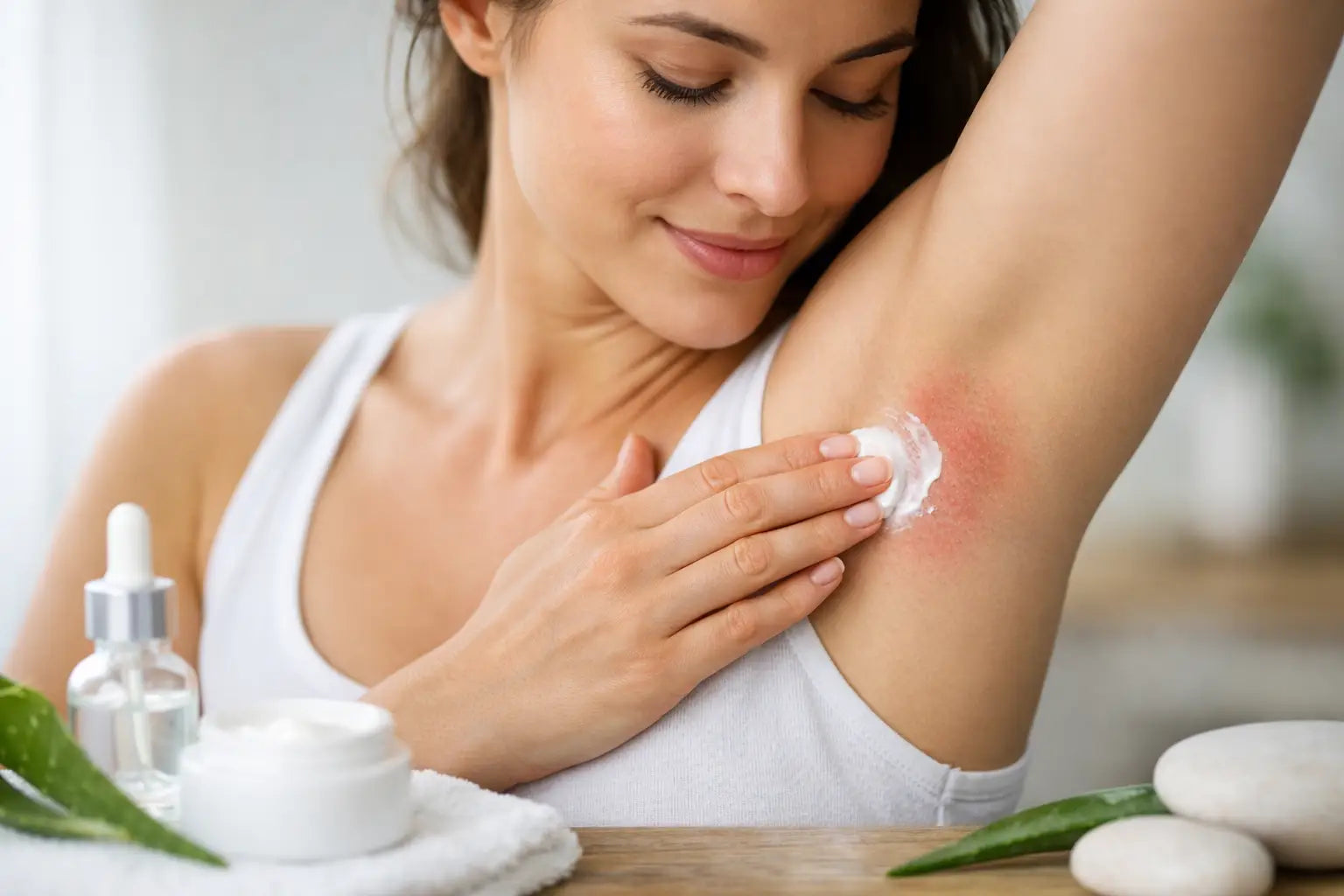
Sensitivity may show up as itching, redness, dryness or a rash-like feeling. It can be influenced by how much product you apply, how recently you shaved, friction from clothing and your individual skin barrier. A little goes a long way, and applying a thick layer rarely improves performance.
If bicarbonate-based deodorants have not worked for you before, do not write off the category. Choose a bicarbonate-free formula designed for sensitive underarms, then give your skin a calm, consistent trial. The right match is often more about formulation than the label on the front of the pack.
How to assess performance properly
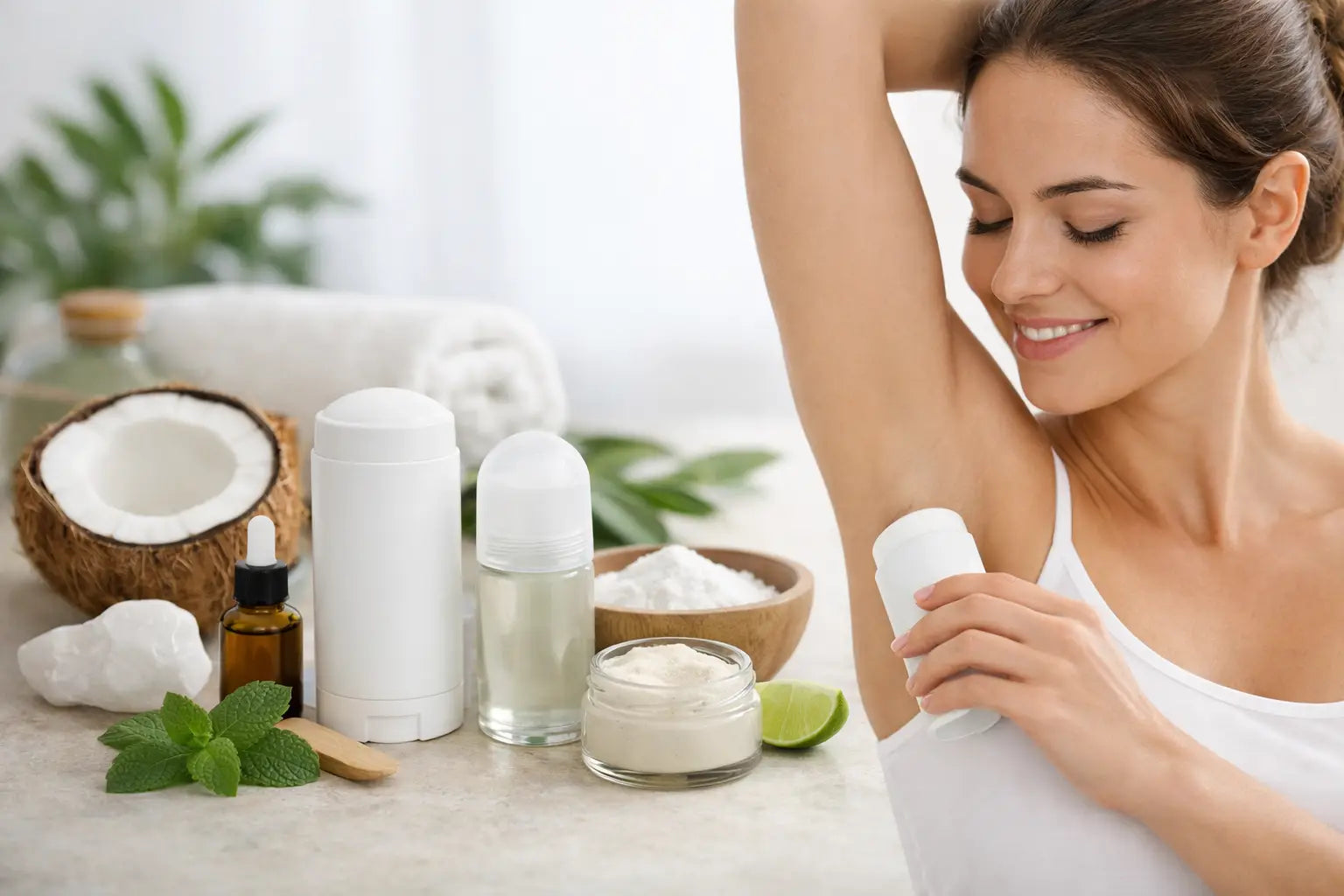
A useful natural deodorant review looks beyond the first application. Natural formulas can feel different from the roll-ons and sprays many of us grew up using. Cream deodorants in particular are often applied with clean fingertips, using a pea-sized amount split between both underarms. The small ritual can become an easy moment of self-care, but it does take a few days to feel familiar.
Test a new deodorant under real conditions. Wear it to the office, on the school run, during a long walk or after a workout. Notice how it feels as well as how it smells. Does it stay comfortable? Does it clump, pill or leave a residue? Does the scent remain subtle, or does it compete with your perfume or body care?
Give it at least one to two weeks unless your skin becomes uncomfortable. Your body does not need a dramatic "detox" period, despite what some natural beauty marketing suggests. However, your underarms and your application routine may need a little time to adjust to a product that manages odour rather than suppressing sweat.
The weather also counts. A formula that feels perfect in a cool Melbourne winter may need a smaller reapplication after a beach day in Queensland. This is not a failure of natural deodorant. It is a realistic response to heat, movement and your own perspiration levels.
Choosing the right format for your routine
The best deodorant is the one you will enjoy using consistently. Cream and paste formats are often a strong choice for people who want concentrated application and a soft, skin-conditioning feel. They are especially useful when you prefer to control exactly how much product is applied.
Stick deodorants are convenient for travel, gym bags and quick morning routines. Look for one that glides smoothly without dragging at the skin, and allow it a moment to settle before getting dressed. Roll-ons offer a familiar format, although some people prefer to wait for them to dry completely.
For those new to the category, a trial size or discovery set can be the most practical place to begin. It lets you test texture, fragrance and skin compatibility without committing to a full-size product. A multi-award-winning option such as Black Chicken Remedies Axilla is worth considering if you want a premium natural formula with a strong focus on effective odour protection and sensitive underarms.
Small habits that improve the experience
Natural deodorant works best on clean, dry skin. Applying it directly after a shower is ideal, provided your underarms are fully dry. If you apply after shaving, wait until any sensitivity has settled, especially when trying a new formula.
Use less than you think you need. A thin, even layer is usually more comfortable and more effective than an overly generous application. If you wear black tops or fitted activewear, take a moment to massage in cream deodorant before dressing to reduce visible transfer.
Your body care routine can also affect comfort. Harsh exfoliation, fragranced body wash or repeated shaving can leave the underarm area more reactive. Treat this skin with the same consideration you give your face: keep cleansing gentle, avoid overdoing exfoliation and choose products that work with your body rather than against it.
A better standard for natural deodorant
The most useful measure of a natural deodorant is not whether it makes impossible promises. It is whether it gives you reliable odour protection, feels good on your skin and fits naturally into the rhythm of your day. There may be a little trial and error, especially if you have sensitive underarms, but that is part of finding a formula made for your skin rather than simply settling for one that masks the issue.
Choose with your actual routine in mind, apply thoughtfully and let comfort be part of the result. Fresh underarms are a practical pleasure, and they can be one of the simplest wellness rituals you keep.