











A natural deodorant used to be a compromise many people were willing to make for a shorter ingredient list. Natural deodorant trends are changing that expectation. Australians now want formulas that feel refined, protect against odour through a busy day, and support sensitive underarms without making their routine more complicated.
That shift is raising the standard across the category. The most considered products are no longer simply defined by what they leave out. They are being chosen for how they perform on real skin, in real conditions: summer commutes, workouts, stressful meetings and humid holidays.
Natural deodorant trends are becoming more skin-led
Underarm skin is often overlooked, despite being shaved, waxed, rubbed by clothing and exposed to active ingredients every day. One of the strongest movements in natural deodorant is therefore a focus on comfort alongside protection.
This means looking beyond a broad claim such as “natural” and paying attention to the full formula. Sodium bicarbonate, often called bicarb soda, can be highly effective at neutralising odour for some people. For others, particularly those with reactive or freshly shaved skin, it may feel too intense. That does not make bicarb inherently bad. It means deodorant is personal, and a formula that works beautifully for one person may not be the right match for another.
As a result, more people are seeking bicarb-free or low-bicarb options made with gentle odour-control ingredients, absorbent powders and nourishing plant oils. Magnesium-based formulas are also gaining attention for their ability to support odour management while offering a softer approach for sensitive underarms.
The real trend is not one hero ingredient. It is thoughtful formulation: effective active ingredients balanced with skin-conditioning elements so your underarms feel calm, comfortable and cared for.
Performance still comes first
Choosing natural does not mean accepting a deodorant that gives up by lunchtime. Consumers are increasingly clear about this. They want dependable odour protection, not perfume that briefly covers it up.
Natural deodorants work by helping manage the bacteria responsible for body odour and, depending on the formula, absorbing moisture to keep the underarm area feeling fresher. They are not necessarily designed to stop perspiration in the way an antiperspirant can. Sweating is a normal body function, particularly in Australian heat. The goal for many people is to feel dry enough, smell fresh and remain comfortable without trying to block every drop of sweat.
Texture matters here. A balm should glide without dragging. A stick should apply evenly without leaving the skin sticky. A cream should feel easy to use, not like another task at the bathroom cabinet. High-performance natural deodorant is increasingly judged by these everyday details.
Refillable formats are moving from bonus to baseline
Packaging is becoming part of the purchase decision, especially for products used every day. A deodorant tube can be a small item, but replacement after replacement adds up. Refillable formats answer a practical question: can a wellness ritual create less unnecessary waste?
The best refill systems are designed for ease, not guilt. If a refill is fiddly, messy or difficult to store, it is unlikely to become a lasting habit. Consumers are responding to options that maintain a premium experience while making it easier to reuse the packaging they already own.
There is a balance to consider. Refillable packaging is only useful when the product itself suits your skin and lifestyle. Start with a format you genuinely enjoy using, then make the lower-waste choice part of a routine that lasts.
Fragrance is becoming more intentional
The natural deodorant category is moving away from the idea that strong fragrance equals stronger protection. Freshness can come from an effective formula, while scent can remain a subtle part of the experience.
For some, essential oil blends offer an uplifting morning ritual, with crisp citrus, grounding woods or soft floral notes. For others, fragrance-free is the clear preference, particularly if their skin is easily irritated or they prefer their deodorant not to compete with perfume.
Neither choice is more sophisticated. The better option is the one that feels good on your skin and fits your day. What matters is transparent labelling and a formula that does not rely on fragrance alone to do the work of odour protection.
Rituals are replacing quick fixes
Natural personal care is increasingly being seen as connected care. The same person who checks their deodorant ingredients may also be choosing a body oil after a shower, using a gentle exfoliant before moisturiser, or creating a more restful evening routine.
This does not require an elaborate shelf of products. It is about choosing small rituals that work with your body - not against it. A few mindful minutes in the morning can turn a functional product into a moment of care, particularly when the formula feels beautiful to apply and delivers results you can trust.
For underarms, that may also include adjusting your routine around hair removal. Applying deodorant to clean, dry skin is a simple starting point. If you have just shaved or waxed and your skin feels tender, allow it time to settle or choose a formula developed with sensitive underarms in mind.
More transparency, fewer vague promises
Ingredient-conscious shoppers are asking better questions, and brands need to answer them clearly. What is the purpose of each key ingredient? Is the product suitable for sensitive skin? Does it contain bicarb soda? Is it designed to reduce odour, absorb moisture or both? Can the packaging be reused or recycled?
This is a healthy direction for the category. “Natural” is not a guarantee that a product will suit every skin type, and “chemical-free” is not a meaningful standard - everything, including water and botanical extracts, is made of chemicals. Better language focuses on the ingredients used, the formulation approach and the experience the product is designed to deliver.
Look for brands that explain their choices without fear-based marketing. Clear information makes it easier to find the right deodorant, whether you need maximum protection for active days or a gentler daily formula for easily irritated skin.
How to choose a natural deodorant that will last
The trend worth following is the one that works for you after the novelty has worn off. Begin with your non-negotiables. If irritation has been an issue, prioritise a sensitive-skin or bicarb-free formula. If odour protection is your chief concern, look for a deodorant known for effective odour-neutralising ingredients and read the directions for use.
Give a new product a fair trial, but listen to your skin. There is no mandatory “detox” period you need to endure. Some people notice a change as they switch from antiperspirant to deodorant, while others transition immediately. Persistent redness, stinging or discomfort is a sign to pause and choose a gentler alternative.
It can also help to keep expectations realistic during extreme heat, intense exercise or high-stress days. Reapplying a deodorant is normal, especially if you prefer a formula that does not use antiperspirant actives. A small amount applied correctly is often more effective and more comfortable than overapplying.
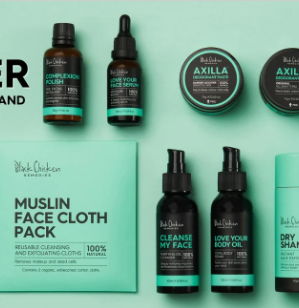
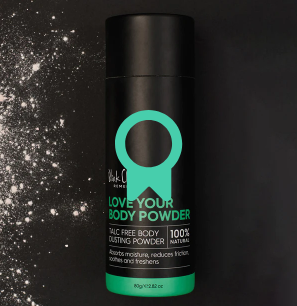
At Black Chicken Remedies, this is the standard behind natural care: maximum protection where you need it, with formulas that respect the needs of sensitive underarms. The future of deodorant is not about choosing between performance and wellbeing. It is about expecting both, then building a daily ritual that feels good from the first application onward.