














A beautiful label is not the same thing as a considered formula. This certified organic skincare guide is for anyone who wants more clarity in the bathroom cabinet - especially if your skin reacts easily, feels unsettled or simply deserves a gentler daily ritual.
Certified organic skincare can bring real reassurance, but it is not a shortcut to knowing whether a product suits your skin. The most effective approach is to understand what certification means, learn to read the full ingredient list and choose products based on your skin’s current needs rather than a trend.
What certified organic skincare actually means
Organic ingredients are grown and processed according to standards that restrict or prohibit many synthetic pesticides, herbicides and genetically modified inputs. When a product is certified organic, an independent certification body has assessed its ingredients and production practices against a specific standard.
That distinction matters. Terms such as “natural”, “clean” and “botanical” can describe a product’s positioning, but they do not always tell you how much of the formula is organic or whether the claim has been independently verified. Certification adds accountability to the conversation.
Still, organic certification is not a guarantee that every ingredient in a product is organic. Some ingredients cannot be organic by nature, including water, minerals and salt. A thoughtful formula may also use carefully selected naturally derived ingredients to improve texture, stability or performance. What matters is that the brand is transparent about what is in the formula and why.
Why ingredient quality matters for sensitive skin
Sensitive skin is not one fixed skin type. It can show up as stinging after cleansing, dry patches around the nose, redness after a new serum or underarms that become uncomfortable after daily deodorant use. Your skin can also become more reactive when the weather changes, stress runs high, sleep is short or you have overused active products.
Certified organic plant oils, butters and extracts can be a beautiful foundation for a routine because they support the skin with naturally occurring fatty acids, antioxidants and soothing compounds. Jojoba oil, rosehip oil, calendula and aloe vera are popular for good reason. They can help make skin feel soft, conditioned and more comfortable.
But “natural” does not automatically mean irritation-free. Essential oils, fruit extracts and even gentle botanical ingredients can be too much for some people, particularly when the skin barrier is compromised. A formula’s concentration, the way ingredients are combined and how often you use it all make a difference.
How to read a skincare label with confidence
Start with the ingredient list, often listed under the INCI name. Ingredients are generally shown from highest to lowest concentration, although those used at very low levels may appear in a different order. You do not need to memorise every name. Look for a formula that clearly communicates its hero ingredients and does not rely on vague promises alone.
For dry or depleted skin, look for nourishing oils and butters, such as jojoba, sunflower, shea or cacao butter. For skin that feels congested, lighter oils and a simple cleansing routine may feel more comfortable than heavy layering. If your main concern is sensitivity, shorter ingredient lists can be useful because they make it easier to identify what your skin does and does not tolerate.
Fragrance deserves a closer look. A naturally fragranced product may use essential oils rather than synthetic fragrance, but that does not make it right for every complexion. If your skin is highly reactive, choose low-fragrance or fragrance-free options where possible, then introduce aromatic products slowly.
Also check the certification statement itself. A brand should be clear about which ingredients or products are certified, rather than implying that an entire range is organic when only selected ingredients meet that standard.
A certified organic skincare guide to building your routine
The best routine is not the longest one. It is the one you can use consistently without leaving your skin tight, overloaded or irritated. Start with the essentials, then add targeted support only when your skin needs it.
Cleanse without stripping
Cleansing should remove sunscreen, makeup, excess oil and the day without creating that squeaky, tight feeling. Cleansing oils and balms can be particularly comforting for dry or sensitive skin because they lift away impurities while leaving the complexion feeling cushioned.
If you wear heavier makeup or water-resistant sunscreen, take time to massage your cleanser over dry skin before adding water. Rushing this step can lead to repeated rubbing with a face washer, which is often harder on sensitive skin than the cleanser itself.
Treat one concern at a time
Serums and facial oils can be highly effective additions, but there is no benefit in applying several new products at once. Choose one product that suits your priority: hydration, comfort, glow or the appearance of a more even complexion.
A few drops of a well-formulated facial oil can help seal in moisture after water-based products. On very dry skin, apply it while your skin is still slightly damp. If you are prone to congestion, use less than you think you need and give your skin a fortnight or two to respond before changing course.
Protect the skin barrier every day
Your skin barrier is the outer layer that helps retain moisture and defend against environmental stressors. When it is struggling, almost every product can feel too active. Signs include persistent tightness, flaking, sudden sensitivity and redness.
Prioritise gentle cleansing, moisturising lipids and a daily broad-spectrum sunscreen. Organic skincare can support a skin-loving ritual, but sunscreen is its own essential category and should be selected for reliable UV protection as well as comfort on your skin.
Exfoliate with restraint
Exfoliation can make dull skin look fresher, yet more is rarely better. Physical scrubs, acids and enzyme treatments can all be useful, depending on the formula and your skin. The trade-off is that frequent exfoliation can weaken an already stressed barrier.
For most sensitive complexions, start with no more than once a week. Avoid exfoliating when your skin is sunburnt, peeling, actively irritated or recovering from a professional treatment. If your skin feels calm, smooth and comfortable without it, that is a result worth keeping.
Make the switch without overwhelming your skin
Changing your entire routine in one weekend may feel satisfying, but it makes it difficult to know what is working. Introduce one new product at a time, ideally every one to two weeks. Apply a small amount to a discreet area first, such as the side of the neck or inner arm, then move to your face if your skin remains comfortable.
Pay attention to the difference between adjustment and irritation. A richer oil may feel unfamiliar for a few days as you learn the right amount. Burning, itching, swelling or ongoing redness are different signals. Stop using the product and simplify your routine until your skin settles. If symptoms are severe or persistent, speak with a qualified health professional.
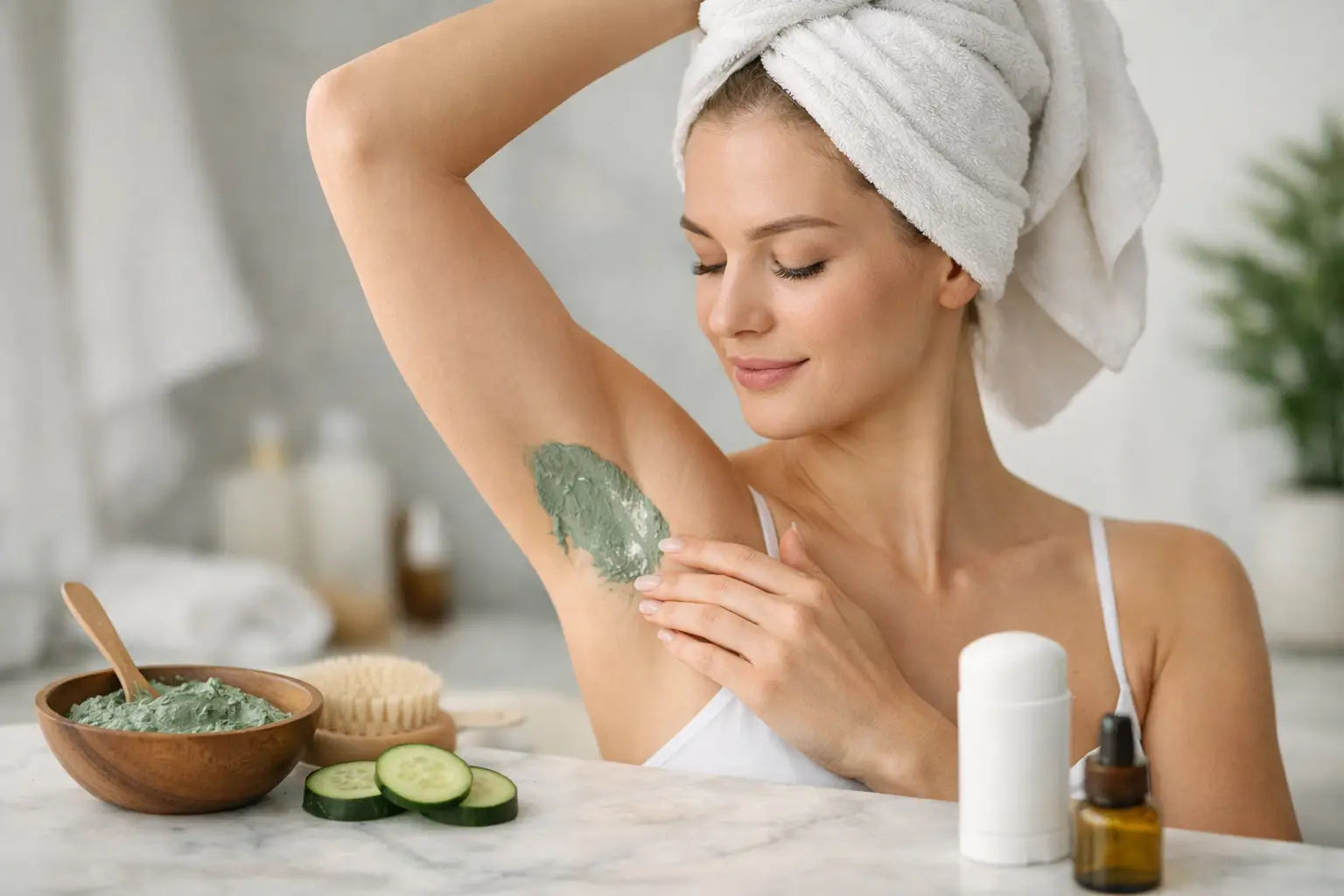
This slower approach is especially useful when moving from conventional deodorant or body care to natural alternatives. Underarm skin is delicate, often freshly shaved and exposed to friction. Choose gentle formulas, apply lightly and give your body time to adapt to a new ritual.
Choose performance, not just a promise
A certified organic label can be part of a better choice, but it should sit alongside performance, sensory experience and suitability for your skin. A face oil that is certified organic but sits heavily under makeup may not earn a place in your morning routine. A beautiful body balm that you never reach for is not supporting your wellbeing.
Look for products you will genuinely enjoy using: a cleanser that leaves skin comfortable, a serum with a finish that suits your day, a body oil that turns a rushed shower into a moment of care. At Black Chicken Remedies, that balance of ingredient consciousness, sensitive-skin comfort and everyday performance is central to creating wellness rituals that work with your body - not against it.
Your skin will not always need the same thing. Let the season, your stress levels and your skin’s feedback guide you. A simple, certified organic routine used with care can become one of the most reliable forms of everyday self-care.