











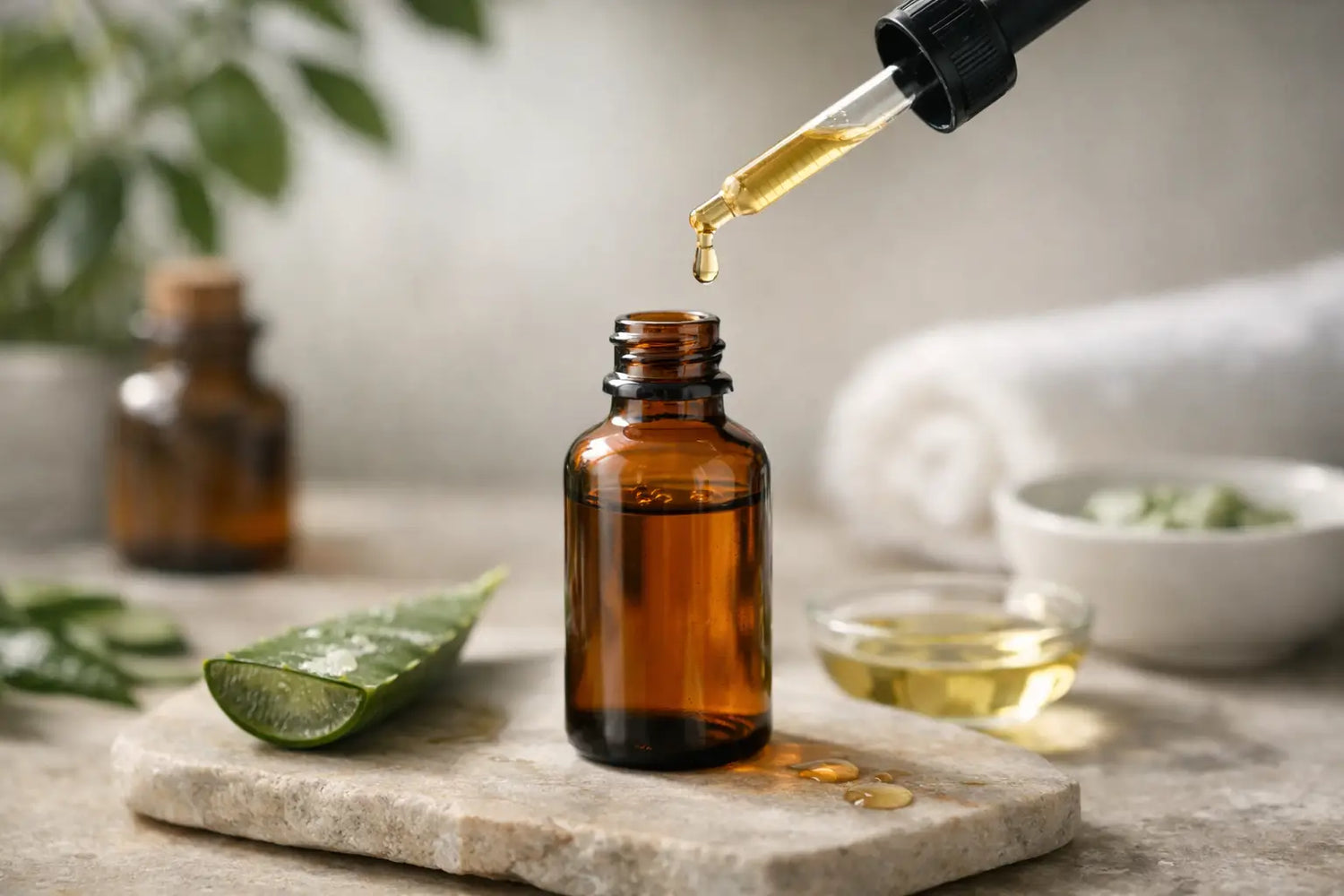
A good organic face serum should feel like a small act of care with a visible purpose: skin that feels comfortably hydrated, looks more balanced and holds its natural glow. But choosing one is not simply a matter of picking the most beautiful bottle or the richest oil. Your skin’s needs, the formula’s ingredients and how you use it all make a difference.
For skin that is reactive, dry, congested or simply feeling out of sorts, a considered serum can bring welcome support without making your routine complicated. The goal is not to overwhelm skin with more steps. It is to give it the right kind of nourishment, consistently.
What an organic face serum does
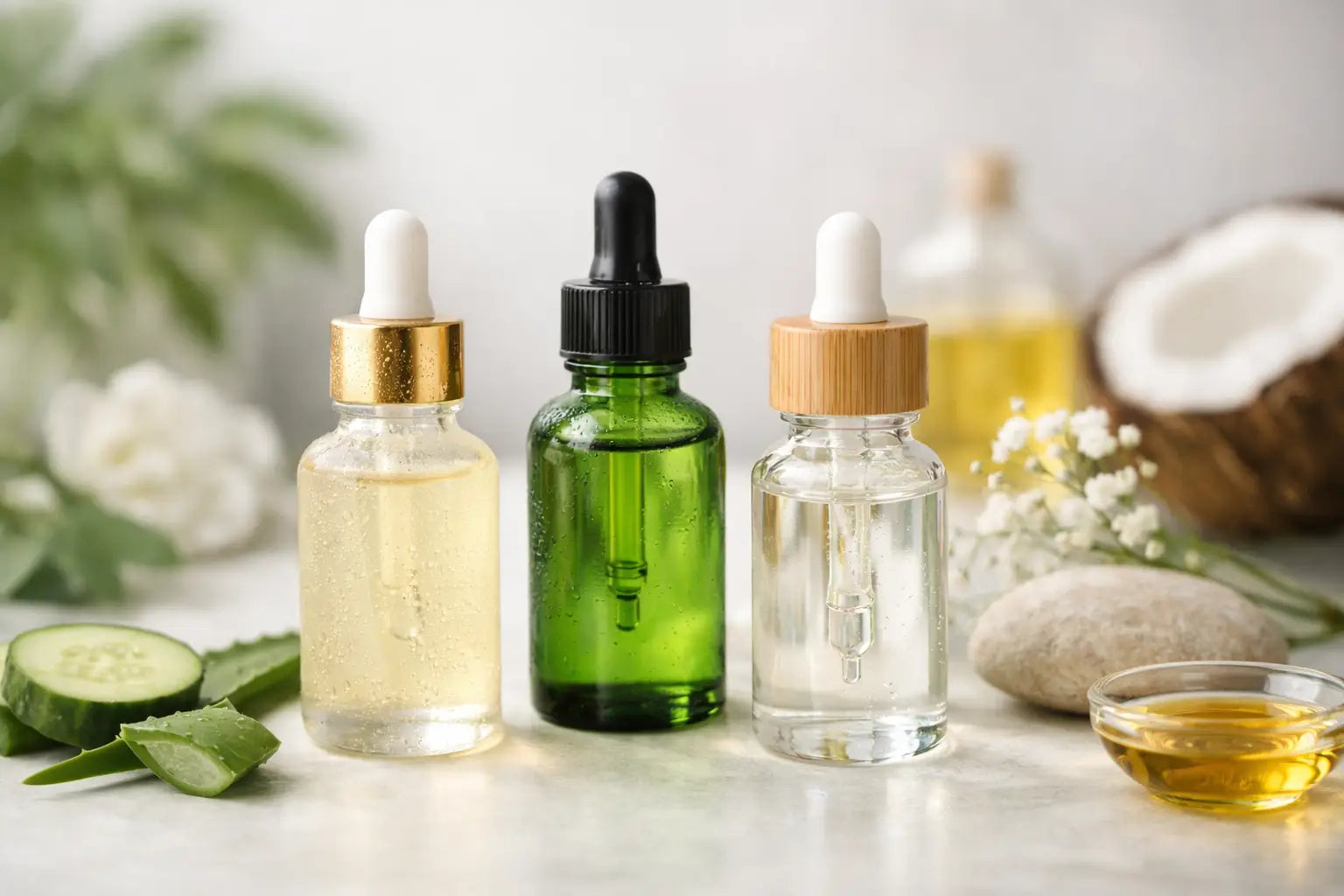
A face serum is a concentrated treatment designed to target particular skin needs. Some are water-based and focus on humectants or active ingredients, while oil-based serums help soften, seal in moisture and support the skin barrier. Many natural formulas combine plant oils, botanical extracts and antioxidant-rich ingredients for a sensorial treatment that also earns its place in your routine.
An organic face serum is formulated with organic ingredients where possible, often including cold-pressed plant oils, seed oils and botanical extracts grown with more considered farming practices. That may matter to you because you want greater ingredient transparency and a routine that feels more aligned with your wider wellbeing choices.
Organic does not automatically mean suitable for every complexion, though. Natural ingredients can still be potent, particularly essential oils and aromatic plant extracts. The best choice is one that respects both the ingredient list and your individual skin.
Start with your skin’s current needs
Skin is not fixed. It can feel balanced one month, then tight and sensitive after a run of cold mornings, air conditioning, stress or over-exfoliation. Rather than shopping only by a skin “type”, look at what is happening right now.
If your face feels tight after cleansing, looks dull or develops dry patches, choose a serum with nourishing lipids that help reduce that stripped feeling. Oils such as jojoba, rosehip, argan and squalane are often loved for their lightweight feel and ability to leave skin supple rather than slick.
For combination or congestion-prone skin, texture matters as much as ingredient choice. A lighter, fast-absorbing formula can provide moisture and comfort without leaving a heavy layer on the surface. It can be tempting to avoid facial oils completely when breakouts appear, but dehydrated skin may produce more oil in response. The answer is usually balance, not stripping.
For sensitive skin, keep the routine calm. Choose formulas with a short, purposeful ingredient list and introduce only one new product at a time. If your skin is easily reactive, fragrance-free or low-aroma options may be a better fit than a formula rich in essential oils, even when those oils are natural.
Look beyond the word “organic”
Certification and organic ingredients are meaningful considerations, but performance still comes down to formulation. The ingredient list can tell you whether a serum is built to nourish, brighten, soothe or simply provide a pleasing slip.
Plant oils are not interchangeable. Rosehip oil is prized for essential fatty acids and a naturally occurring vitamin A profile. Jojoba has a composition similar to the skin’s own sebum, making it a popular choice across several skin types. Sea buckthorn brings a vivid colour and antioxidant profile, while calendula is often selected for its comforting, skin-soothing qualities.
Also consider packaging. Oils and botanical extracts can be sensitive to light and air, so an opaque or amber glass bottle and a well-fitting pump or dropper can help preserve the formula. Freshness matters, especially when a serum contains delicate, unrefined oils.
A premium natural serum should never rely on a long list of impressive-sounding ingredients alone. It should feel good on the skin, layer well with the rest of your routine and be easy enough to use every day.
Ingredients to approach thoughtfully
Essential oils can add a beautiful ritual element, but more is not always better. Citrus oils, spice oils and heavily fragranced blends may not suit sensitised skin. If you use active skincare such as retinoids, exfoliating acids or prescription treatments, a simple nourishing serum can be the more supportive choice alongside them.
Patch testing is a sensible step with any new face product. Apply a small amount to the inner arm or along the jawline and wait 24 to 48 hours. This is especially worthwhile if you have experienced redness, itching or breakouts from skincare before.
How to apply face serum for the best result
The amount matters. With an oil-based serum, two to four drops is often enough for the entire face and neck. Applying more does not necessarily create better results - it can leave skin feeling coated and make sunscreen or makeup harder to layer.
After cleansing, apply a hydrating mist, toner or water-based serum to slightly damp skin if that suits your routine. Warm the face serum between clean palms, then press it gently over your cheeks, forehead, chin and neck. Pressing rather than vigorous rubbing is a more mindful approach, particularly when skin feels sensitive.
In the morning, allow the serum to settle before applying broad-spectrum SPF. At night, use it as the final nourishing layer or follow with a moisturiser if your skin is very dry. There is no single rule: some complexions prefer oil before cream, while others prefer a few drops blended into their moisturiser.
Give a new serum two to four weeks of consistent use before deciding how it performs, unless your skin shows signs of irritation. Skin responds best to steady rituals, not constant product swapping.
Build a routine that works with your skin
A serum performs best when the products around it are not working against it. Over-cleansing, frequent scrubbing and strong actives used too often can compromise the skin barrier, leaving it more likely to sting, flake or feel congested. In that situation, even a beautiful organic oil may not be able to deliver the comfort you expect.
Keep your foundational routine simple: a gentle cleanser, a treatment chosen for your main concern, a nourishing moisturiser or serum and daily sun protection. If you enjoy exfoliation, use it with care and adjust frequency according to how your skin responds.
This is where an organic face serum can become more than another product on the bathroom shelf. A few quiet moments spent pressing a botanical blend into the skin can create a useful pause at the beginning or end of the day. The sensory experience matters, but so does the practical result: skin that feels supported rather than stressed.
At Black Chicken Remedies, natural skincare is designed to make these everyday rituals feel both effective and reassuring. The right formula should fit into real life, whether you have five minutes before work or a slower evening routine after a long day.
When a serum may not be the answer
If your skin is persistently inflamed, painful, peeling or breaking out severely, simplify your routine and seek personalised advice from a qualified health professional or dermatologist. A serum can support healthy-looking skin, but it is not a replacement for clinical care when a skin condition needs assessment.
It is also worth reviewing expectations. A face serum can improve softness, hydration and the look of radiance over time, but it will not erase every line, change your skin overnight or compensate for inadequate sun protection. Honest skincare is about steady care and formulas that feel good enough to keep using.
Choose the serum that suits your skin on its ordinary days, not just the one that promises the most. When the texture feels right, the ingredients make sense and the ritual is easy to repeat, your skin has the best chance to show its natural balance.