














Your serum should feel like the most considered step in your routine, not the one that leaves your skin stinging, shiny or overwhelmed. The best organic face serums are made to deliver concentrated nourishment with fewer unnecessary ingredients, helping your skin feel supported rather than stripped.
A good organic serum is not simply about a long list of botanical oils or a beautiful amber bottle. It comes down to the right formula for your skin, thoughtful ingredient sourcing and a texture you will genuinely want to use every day. For sensitive skin especially, simplicity and quality matter.
What makes an organic face serum worth choosing?
Face serums are lightweight, concentrated treatments designed to sit beneath your moisturiser or facial oil. They target specific concerns such as dehydration, dullness, uneven texture, visible fine lines or a compromised skin barrier. While a moisturiser helps seal hydration in, a serum is where you can be more intentional about active botanical ingredients and skin-supporting nutrients.
Organic formulations can be a considered choice for people looking to reduce exposure to synthetic fragrance, harsh preservatives and heavily processed ingredients. Certified organic plant oils and extracts are grown with stricter standards around agricultural inputs, while natural formulations often place the focus on skin-compatible lipids, antioxidants and aromatic botanicals.
That said, organic does not automatically mean gentle for every person. Essential oils and plant extracts can still be active, and even a natural ingredient may not suit reactive skin. The best approach is to choose a short, transparent ingredient list, patch test first and introduce one new product at a time.
Best organic face serums by skin concern
There is no single best serum for every complexion. Your skin can change with the weather, stress, hormones, travel and the rest of your routine, so choosing by your current concern is more useful than choosing by a broad skin-type label.
For dry or dehydrated skin
Dry skin lacks oil, while dehydrated skin lacks water. You may experience both at once, particularly during cooler months or after over-cleansing. Look for serums with humectants such as aloe vera or glycerin to draw water into the skin, alongside nutrient-rich oils that reduce the feeling of tightness.
Rosehip, jojoba, camellia and avocado oils can offer comforting nourishment without the heavy, waxy finish that makes some people avoid face oils altogether. A serum containing antioxidant-rich botanical extracts may also help skin look fresher when dehydration has made it appear flat or tired.
Apply onto slightly damp skin after cleansing, then follow with moisturiser. If your routine uses an oil-based serum, press it over a water-based hydrating layer rather than expecting the oil to provide hydration on its own.
For sensitive or easily irritated skin
Sensitive skin benefits from restraint. Avoid the temptation to layer multiple exfoliating acids, retinoids and strongly fragranced products in pursuit of quick results. A calming organic serum should focus on barrier support, moisture and comfort, with ingredients selected for their gentle feel rather than their trend appeal.
Jojoba is a popular choice because its composition is similar to the skin's own sebum. Calendula, oat and chamomile are often used to soothe the look and feel of stressed skin, while squalane can add softness with a notably light texture. Fragrance-free options are often the safest starting point for highly reactive complexions, even when the fragrance is naturally derived.
Patch test on the inner arm or along the jawline for several days. If your skin is already inflamed, keep the rest of your routine quiet and consistent while you test the serum.
For oily or blemish-prone skin
Oilier skin still needs hydration and can become more unsettled when it is repeatedly stripped. The goal is not to remove every trace of oil. It is to support a balanced, comfortable complexion without adding congestion.
Choose fast-absorbing oils and water-light formulas that leave a soft finish. Jojoba, hemp seed and grapeseed oil are commonly favoured for their lighter feel. Niacinamide, when included in a well-formulated serum, can support the appearance of more even skin tone and help regulate the look of excess shine.
Be cautious with rich butters, dense balms and heavily perfumed blends if you are prone to blocked pores. Natural ingredients are not automatically non-comedogenic, and the right texture matters as much as the ingredient story.
For mature or lacklustre skin
Skin that looks less radiant often needs consistency more than intensity. Antioxidant-rich oils such as rosehip and pomegranate can support a supple, well-nourished finish, while vitamin C derivatives may help brighten the appearance of uneven tone. Hyaluronic acid and glycerin bring a plumper look by helping the skin hold onto water.
For mature skin, look beyond immediate glow. A serum should leave the skin feeling comfortable throughout the day, layer well beneath SPF and makeup, and support the barrier over time. If you use a stronger active at night, such as a retinoid, pair it with a simple, replenishing serum rather than adding competing treatments.
How to read an organic serum label
Start with the first few ingredients. They make up the greatest proportion of the formula and tell you whether it is water-based, oil-based or a blend. A water-based serum is often ideal for hydration and can work well under moisturiser. An oil serum is excellent for locking in moisture and supporting dry or compromised skin, particularly as part of an evening ritual.
Then consider the supporting ingredients. Plant oils should be identified clearly, and active ingredients should have a purposeful place in the formula rather than appearing as a token amount at the end of the list. If certified organic status is a priority, look for recognised certification details rather than relying on the word “organic” in product marketing alone.
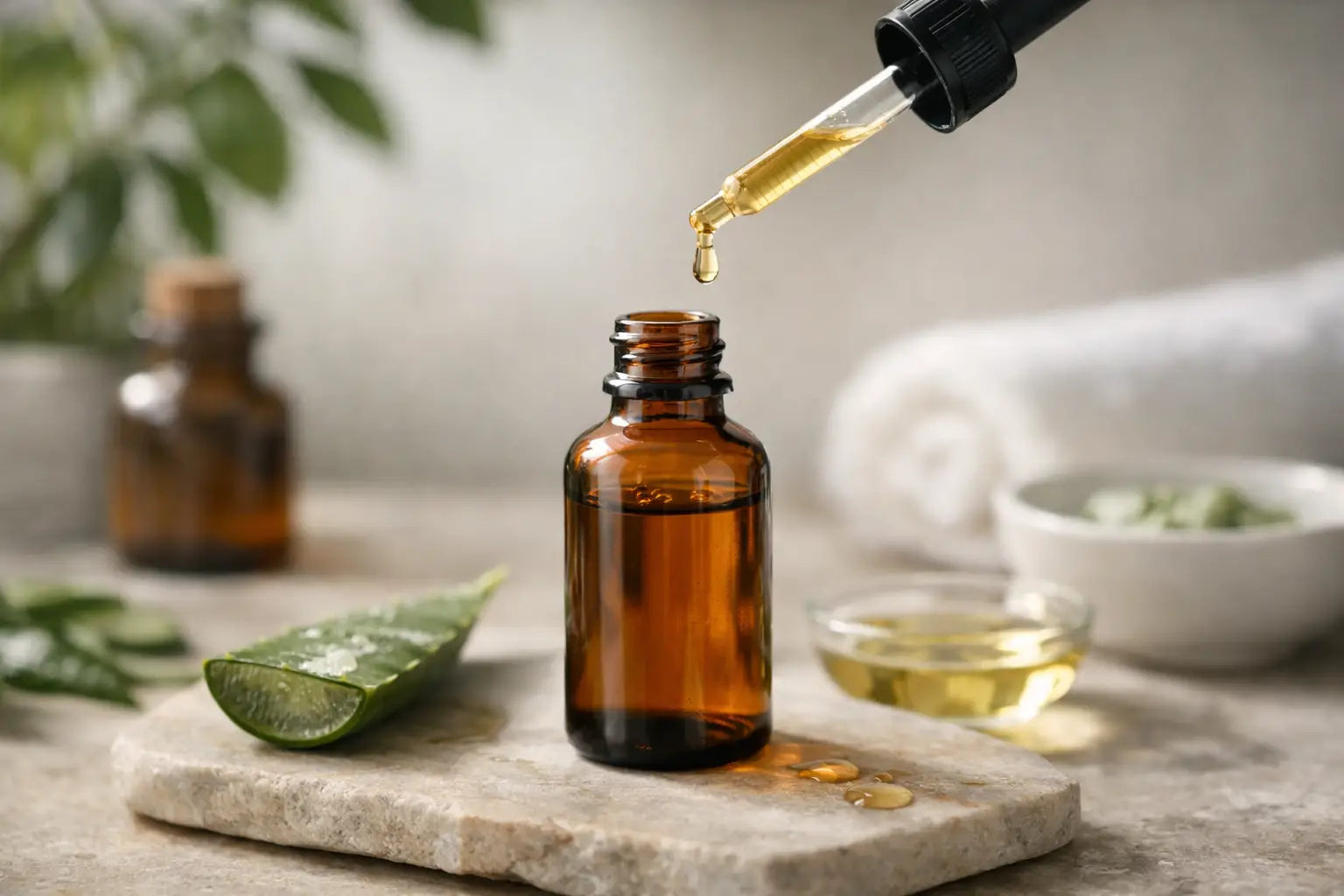
Packaging matters too. Antioxidant-rich oils are best protected from light and air, which is why dark glass bottles and well-designed pumps are practical, not merely premium. A pump can also make it easier to use the right amount and keep the product hygienic.
How to use face serum for better results
Use serum after cleansing and before moisturiser, usually morning, night or both depending on the formula. Two to four drops is generally enough for an oil serum. More product does not create more benefit, and overapplication can leave skin coated rather than nourished.
In the morning, choose a formula that sits comfortably beneath sunscreen. SPF remains the most essential daily step for protecting against the visible effects of sun exposure, so do not rely on antioxidant serums alone. At night, take a little more time: warm the serum between clean palms, then press it gently over the face, neck and décolletage.
If you are using both a water-based serum and a face oil, apply from thinnest to richest. The water-based product goes first, followed by moisturiser and then, if needed, a small amount of facial oil to seal it all in. In humid Australian conditions, you may find a light serum is enough during the day, while drier inland weather or air conditioning calls for an extra layer of comfort.
Common mistakes when choosing natural serums
The most common mistake is buying for an ingredient rather than a skin need. A viral oil may be beautiful for a dry complexion but feel too rich on oily skin. Equally, a high-strength active may sound effective but make sensitive skin less settled.
Another is changing everything at once. If you introduce a new cleanser, serum, exfoliant and moisturiser in the same week, it becomes almost impossible to tell what is working. Give a new serum at least two to four weeks of consistent use, unless your skin shows signs of irritation.
Finally, do not confuse a pleasant scent with skin benefit. A subtle botanical aroma can make a ritual feel special, but performance comes from the formula's ability to hydrate, nourish and respect your skin's natural balance. At Black Chicken Remedies, this balance sits at the heart of natural skincare that feels considered, effective and kind to sensitive skin.
The right serum should make your routine feel easier: skin looks rested, feels comfortable and asks for less fixing. Choose the formula that meets your skin where it is now, then give that small daily ritual the time to do its work.