














Your cleanser is on your face for less than a minute. Your moisturiser, deodorant and body oil may stay in contact with your skin for hours. That daily repetition is why the choice between organic skincare versus conventional skincare can feel more personal than a simple label preference - especially when your skin is dry, reactive or prone to irritation.
The better option is not automatically the product with the prettiest botanical story or the longest scientific-looking ingredient list. It is the formula that suits your skin, performs consistently and gives you confidence in what you use every day. Here is how to look beyond the front label and make a considered choice.
What organic skincare actually means
Organic skincare generally uses plant-derived ingredients grown without certain synthetic pesticides, herbicides or genetically modified organisms. Depending on the product and certification, this may include certified organic oils, butters, botanical extracts and essential oils.
The key word is generally. There is no single universal definition of “organic skincare”, and a product can contain one organic ingredient without being an entirely organic formula. Certifications can provide useful reassurance because they set standards for ingredient sourcing and processing, but the percentage of organic content still matters. Read the packaging rather than assuming that natural-looking branding equals a fully certified organic formula.
Organic ingredients can be beautiful additions to a routine. Cold-pressed jojoba oil, rosehip oil, shea butter and aloe vera are valued for their skin-softening, conditioning and comforting qualities. For many people, choosing organic also reflects a preference for more considered farming practices and ingredient traceability.
But organic does not mean risk-free or universally suitable. Essential oils and fragrant botanical extracts are natural, yet they can irritate some sensitive skins. A thoughtful formula, appropriate concentration and your own skin response matter more than whether an ingredient comes from a plant or a laboratory.
What conventional skincare offers
Conventional skincare is a broad category. It may combine naturally derived ingredients with synthetic ingredients designed for texture, stability, fragrance, preservation and targeted performance. These products are often developed to deliver a particular sensory finish, extended shelf life or a specific cosmetic result.
There is a reason many conventional formulas feel silky, spread easily and remain stable in a bathroom cabinet for months. Ingredients such as humectants, emollients, silicones, emulsifiers and preservatives can all have a practical role. Synthetic does not automatically mean harsh, and conventional does not automatically mean unsuitable for sensitive skin.
The issue for many ingredient-conscious shoppers is not that every conventional ingredient is harmful. It is that a long, opaque ingredient list can make it harder to understand what is doing what - particularly if you have experienced stinging, congestion, redness or underarm discomfort in the past. Some people also prefer to avoid particular ingredients, such as strong artificial fragrance, certain preservatives or heavy occlusive textures, based on their own sensitivities and values.
Organic skincare versus conventional skincare: the real differences
The most useful comparison is not natural versus chemical. Everything is made of chemicals, including water and plant oils. Instead, compare each formula through four practical lenses: ingredient origin, skin compatibility, performance and transparency.
Ingredient origin and processing
Organic formulas typically place greater emphasis on plant ingredients and responsible sourcing. Conventional formulas may use a wider range of lab-created or highly processed ingredients. Neither approach is automatically superior, but each suits different priorities.
If lower-impact farming and certified organic content are central to your choices, organic skincare may be a natural fit. If you want a highly specific active, an ultra-light gel texture or an exceptionally stable fragrance-free formula, conventional skincare may offer options that meet that brief beautifully.
Skin sensitivity and comfort
Sensitive skin rarely responds well to sweeping rules. A minimal conventional moisturiser can be gentler than a fragrant natural balm. Equally, a simple organic oil blend can be a welcome alternative for skin that feels overwhelmed by complex formulas.
Look for products designed with sensitive skin in mind, and introduce one new product at a time. Patch testing is a sensible first step, particularly with leave-on face products, essential-oil blends and active ingredients. Apply a small amount to the inner arm or behind the ear and wait 24 to 48 hours. If you develop persistent redness, itching, swelling or burning, stop using it.
For easily irritated skin, fragrance is often worth considering regardless of whether it is natural or synthetic. “Fragrance-free” can be a helpful starting point, though it is still wise to check the full ingredient list if you know your triggers.
Performance you can feel
Natural skincare has moved well beyond the idea that it must be a compromise. Well-formulated botanical oils can cleanse without stripping, body butters can support dry skin, and mineral-rich deodorant creams can offer reliable everyday odour protection.
Still, performance depends on the category. A rich organic face oil may be ideal for dry, mature skin but too heavy for someone with very oily or acne-prone skin. A conventional serum with a targeted active may suit someone focusing on a particular concern, while a gentle natural routine may be better for a person rebuilding skin comfort after over-exfoliation.
The goal is not to collect the most products or chase a flawless ten-step ritual. It is to find a small, effective routine your skin can tolerate and you can maintain.
Transparency and trust
A clear label is powerful. It should help you identify the product’s purpose, understand its key ingredients and make an informed choice without relying on vague claims. “Clean”, “pure” and “non-toxic” are marketing terms, not universal regulatory standards, so they should not replace careful formulation or ingredient transparency.
Look for brands that explain their ingredients in plain language, identify certifications accurately and avoid fear-based messaging. It is reasonable to want fewer ingredients you personally prefer not to use. It is also reasonable to expect evidence, safety and quality from natural products.
How to choose skincare for your routine
Start with your skin’s current needs, not a trend. If your face feels tight after cleansing, prioritise a gentle cleanser and moisturiser before adding exfoliants. If your skin is oily and congested, consider lightweight, non-stripping textures and avoid layering several rich oils simply because they are natural. If you are dealing with eczema, rosacea, persistent acne or a rash, professional advice from a dermatologist or qualified health practitioner is worthwhile.
Then consider where a product sits in your routine. Leave-on products deserve more scrutiny because of their longer contact with your skin. A face serum, moisturiser, body oil or deodorant may be where you choose certified organic ingredients and low-fragrance formulations. Rinse-off products still matter, but you may have more flexibility with texture and ingredients there.
It can also help to simplify your buying criteria. Choose one or two priorities: certified organic ingredients, no added synthetic fragrance, refillable packaging, gentle cleansing, or maximum odour protection for sensitive underarms. Trying to find every benefit in every product can make a routine needlessly complicated.
A balanced approach is often the best one
You do not need to choose a side and stay there forever. Plenty of people use a natural cleansing oil, an organic body moisturiser and a conventional sunscreen. Others prefer a mostly organic routine but keep a dermatologist-recommended treatment product for a specific concern. Your routine can evolve with the seasons, your skin and your lifestyle.
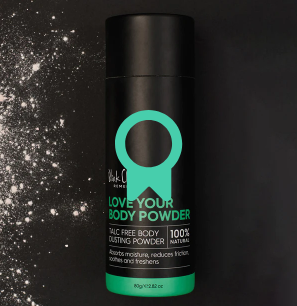
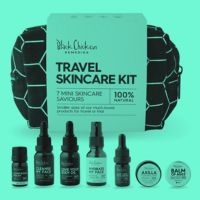
For those drawn to natural personal care, Black Chicken Remedies focuses on high-performance formulas made with natural and certified organic ingredients, with sensitive skin and everyday usability front of mind. That combination matters because a wellness ritual only earns its place when it feels good to use and works in real life.
A useful routine should leave your skin feeling comfortable, not confused. Choose products with a clear purpose, give them time to prove themselves, and let your skin - rather than the loudest label - have the final say.