










You put on deodorant in the morning, head out into the heat, power through meetings, school drop-off, a workout or a packed commute, and by mid-afternoon there’s one question that matters - does natural deodorant really work? Fair question. Plenty of people want cleaner ingredients and less irritation, but not at the cost of smelling like they gave up halfway through the day.
The short answer is yes, natural deodorant can absolutely work. But it helps to understand what “work” means, how these formulas are designed, and why some people get excellent results while others assume natural deodorant is all promise and no performance.
Does natural deodorant really work for odour?
If your goal is controlling body odour, a well-formulated natural deodorant can be highly effective. Body odour is not caused by sweat itself. Sweat is mostly odourless. The smell develops when sweat mixes with bacteria on the skin, especially in the underarm area.
That distinction matters because natural deodorant is designed to target odour, not block the body’s natural sweating process. Instead of using aluminium salts to plug sweat ducts, natural deodorants usually rely on ingredients that help neutralise odour, absorb moisture, and support a healthier underarm environment.
For many people, that is exactly what they want. You still sweat when your body needs to cool down, but you can stay fresh without relying on harsh actives that may trigger sensitivity.
The catch is that not all natural deodorants perform the same way. Formula quality matters. Ingredient balance matters. So does how your own skin behaves.
What natural deodorant can and cannot do
Natural deodorant can help manage odour very effectively, reduce wetness to a degree, and feel gentler on sensitive underarms when the formula is thoughtfully made. What it cannot do is stop perspiration in the way an antiperspirant does.
That is the biggest point of confusion. If you expect natural deodorant to keep your underarms completely dry through a summer walk, a gym session and a stressful workday, you may be disappointed. If you expect it to keep odour under control while allowing your body to sweat normally, that is where natural deodorant tends to shine.
This is why some people switch and say it changed everything, while others say it “didn’t work”. Often, they were measuring two different things.
Why some natural deodorants work better than others
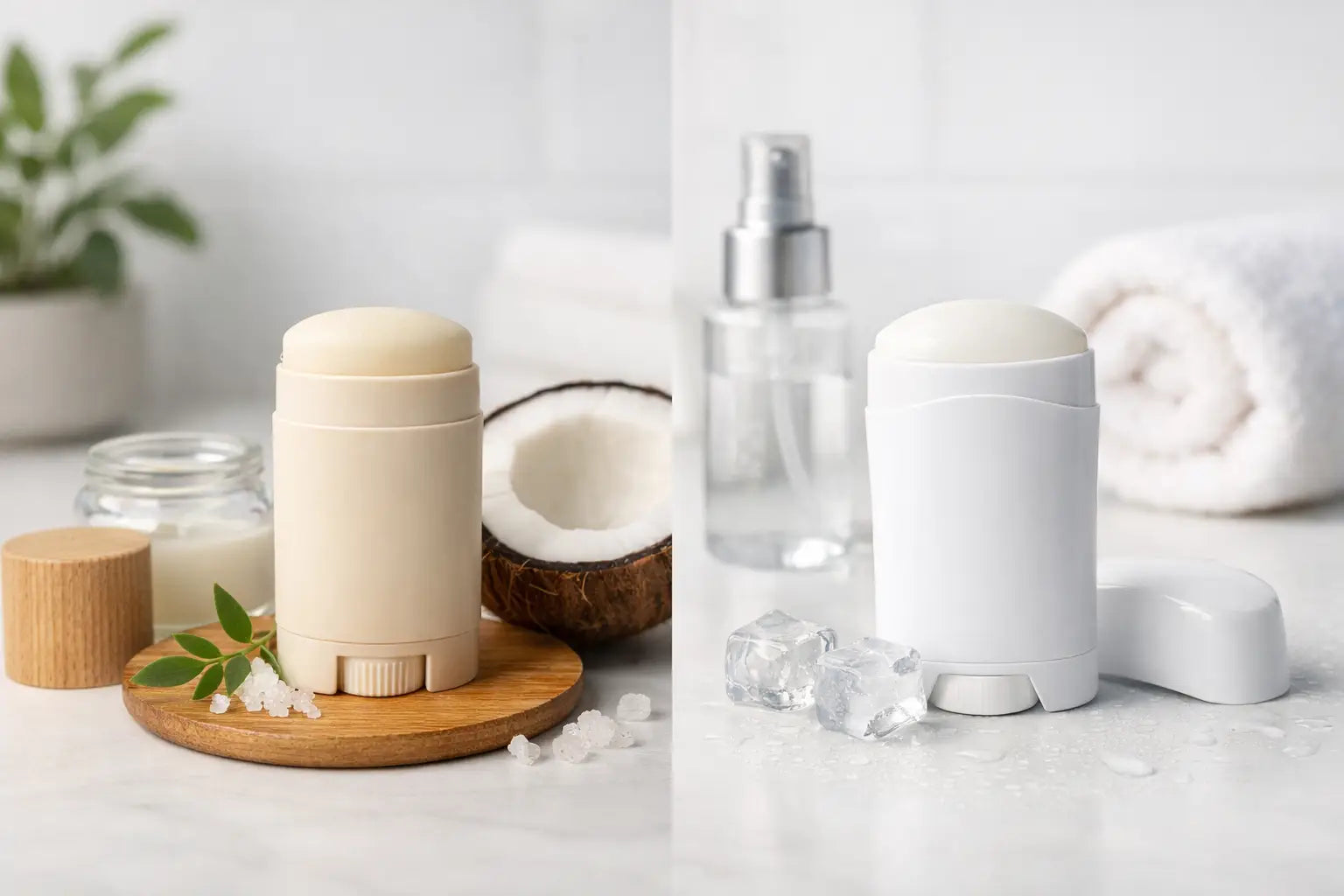
A natural deodorant is only as good as its formula. The strongest performers tend to combine odour-neutralising ingredients with moisture-absorbing powders and skin-supportive botanicals.
Ingredients such as bicarbonate of soda can be very effective at neutralising odour, but they are not right for everyone. Some people love the performance. Others find it too strong for delicate skin, especially after shaving or during warmer months when friction is higher.
That is where sensitive-skin formulations come in. Creams or balms made with magnesium, clay, tapioca, charcoal, or other gentle absorbents can offer impressive odour protection without leaving underarms feeling stripped or reactive. Essential oils may also play a role, not just for scent, but for their functional properties within the blend.
Texture matters too. A formula that glides on smoothly, stays in place and wears comfortably is more likely to become part of your routine. If it pills, drags or feels greasy, even a good formula can end up underused.
The transition period is real, but it is not forever
One of the reasons people question whether natural deodorant really works is that the first week or two can be uneven. When you move away from conventional antiperspirant, your underarms may need time to adjust.
This does not mean your body is “detoxing” in a dramatic way. It usually means you are shifting from a product that suppresses sweat to one that manages odour while letting your skin function more naturally. During that change, you may notice more moisture, a change in scent, or a bit of unpredictability.
For most people, this settles. Your underarm microbiome can rebalance, your skin barrier can calm down, and you get a clearer sense of how the product performs day to day. Some people adjust within days. Others need a few weeks. If your skin is sensitive or you have been using a strong antiperspirant for years, patience helps.
Does natural deodorant really work for sensitive skin?
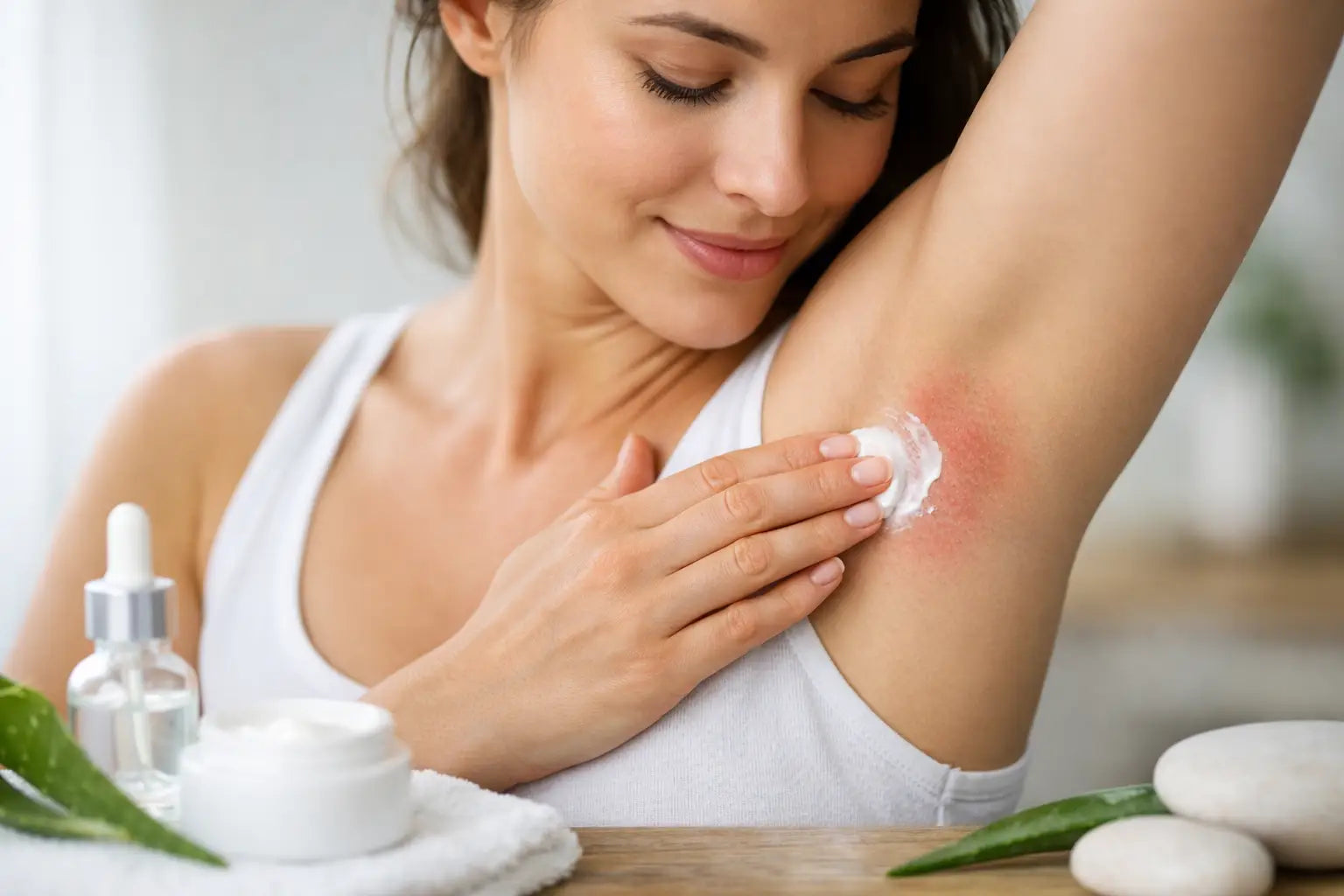
It can, and for many people this is where natural deodorant makes the biggest difference. Conventional formulas can be irritating for all sorts of reasons, from aluminium salts and synthetic fragrance to alcohol or other harsh additives. If your underarms often feel itchy, tight, bumpy or uncomfortable, switching to a gentler deodorant may support better skin balance.
That said, “natural” does not automatically mean irritation-free. Some essential oils can be too active for reactive skin, and bicarbonate can be a trigger for some users. Sensitive skin usually does best with a short ingredient list, nourishing oils or butters, and actives chosen for performance without overload.
If you are prone to irritation, patch testing is worth the effort. It is a simple way to avoid turning an everyday product into an ongoing problem.
How to make natural deodorant work better
Application can make a real difference. More product is not always better. In fact, overapplying can leave residue on skin and clothing without improving performance.
Start with clean, dry underarms. Apply a small amount and allow it to settle before dressing. If you are particularly active, heading into humid weather, or know you have a long day ahead, reapplying can help. Natural deodorant is not failing if you top it up. It is simply being used the way many high-performance body care products are meant to be used.
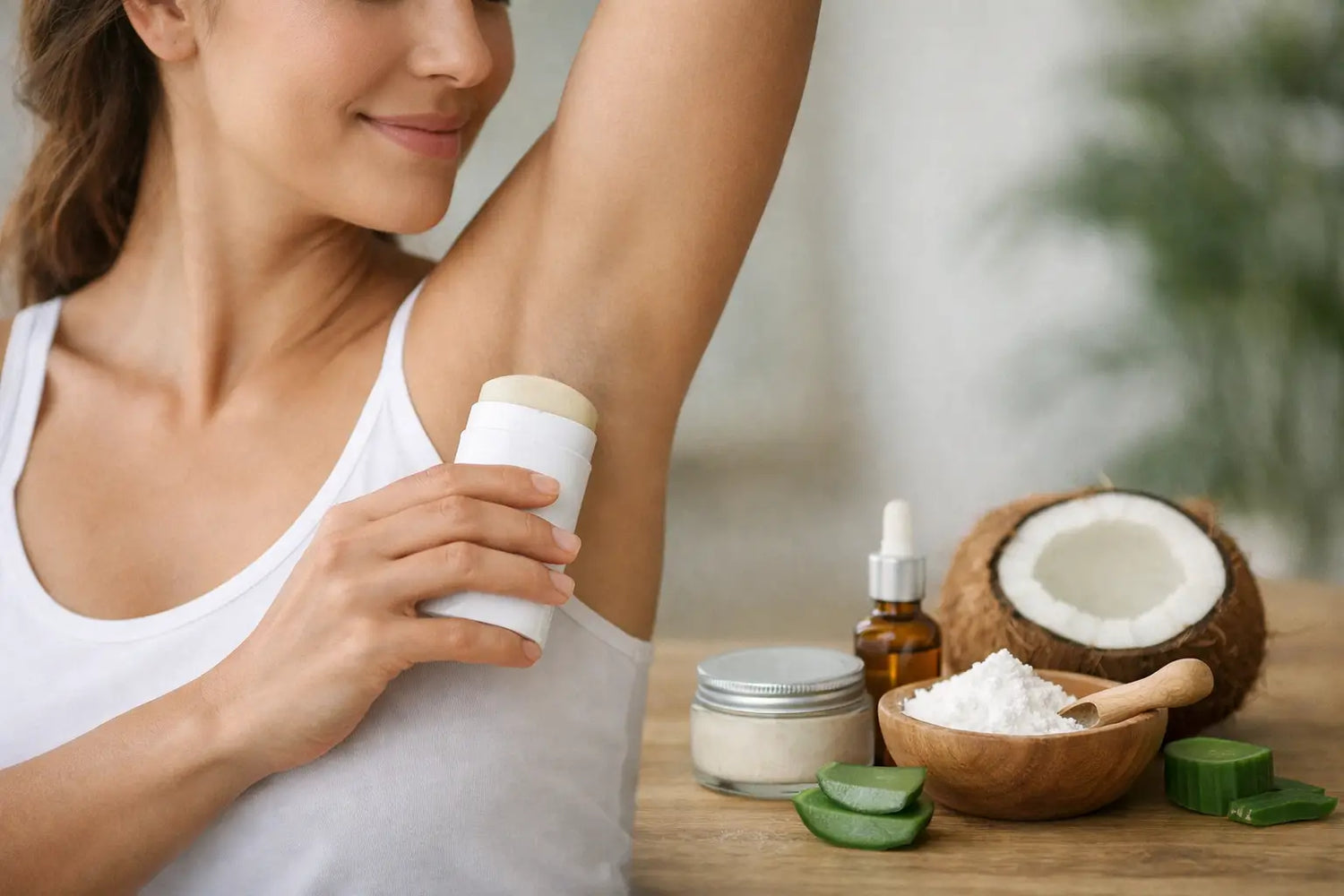
It also helps to choose the right format for your routine. Some people prefer a cream or paste because it offers more direct coverage. Others want a stick for speed and convenience. The best product is the one you will use consistently and comfortably.
Clothing can play a part as well. Breathable fabrics generally help more than synthetics, which can trap heat and amplify odour. Your deodorant does not work in isolation. It works as part of your daily rhythm.
Who gets the best results?
People who tend to do well with natural deodorant usually want odour control more than total dryness, care about ingredient quality, and are prepared to try the right formula rather than writing off the entire category after one mismatch.
If your underarms are sensitive, if you dislike the feel of conventional antiperspirant, or if you are looking for a body care routine that feels more aligned with your overall wellness choices, natural deodorant can be a strong fit.
If you are an extremely heavy sweater or you need clinical-level sweat reduction for medical or occupational reasons, natural deodorant may not tick every box on its own. That does not make it ineffective. It simply means your needs are more specific, and your product choice should reflect that.
So, does natural deodorant really work?
Yes - when you judge it by what it is designed to do. Natural deodorant can be highly effective at controlling odour, supporting sensitive underarms and fitting into a cleaner, more considered personal care routine. The best formulas feel easy to use, reliable through a normal day, and kind to skin that has had enough of harsh products.
What matters most is choosing a formula that matches your body, your skin and your expectations. A premium, high-performance option such as Black Chicken Remedies can make that shift feel less like a compromise and more like an upgrade.
If you have been curious but cautious, start with the question behind the question. You are not just asking whether natural deodorant works. You are asking whether it can keep up with real life. The right one can - and your underarms may thank you for it.