











You notice it most on a rushed morning. You put on your deodorant, head out the door, and by midday your underarms are either feeling dry but tight, or fresh enough yet still a little damp. That is where the natural deodorant vs antiperspirant conversation becomes practical, not theoretical. Most people are not choosing between two labels. They are choosing between comfort, confidence, ingredient preferences and how their skin behaves day to day.
For many Australians, the switch starts with irritation. Others are simply looking for a more considered daily ritual - something that supports body odour control without feeling harsh on sensitive underarms. The key is understanding what each product is designed to do, because deodorant and antiperspirant are not interchangeable, even if they sit side by side on the bathroom shelf.
Natural deodorant vs antiperspirant: what is the difference?
At the simplest level, deodorant targets odour. Antiperspirant targets sweat.
Natural deodorant works by helping reduce the bacteria that create body odour and by using ingredients that absorb moisture or support skin balance. You still sweat, because sweating is one of the body’s normal functions. What changes is how that sweat smells and how comfortable your underarms feel through the day.
Antiperspirant, on the other hand, is formulated to reduce perspiration itself. It usually does this with aluminium-based compounds that temporarily block sweat ducts. Less sweat often means less odour, but the main job is dryness rather than supporting the skin’s natural processes.
That difference matters. If your priority is staying as dry as possible during a high-pressure workday, a long commute or a hot summer event, antiperspirant may feel more reliable. If your priority is ingredient transparency, skin sensitivity or a routine that works with your body rather than overriding it, natural deodorant may be the better fit.
Why sweat and odour are not the same thing
Sweat gets blamed for more than it deserves. Fresh sweat is mostly odourless. The smell most people want to manage happens when sweat mixes with bacteria on the skin.
That is why a good deodorant can be effective without stopping you from sweating. It focuses on the source of odour while allowing your body to regulate temperature as it is meant to. For people who are active, prone to warm underarms or living in a humid climate, that distinction can be reassuring rather than inconvenient.
There is also a comfort factor. Some people prefer the feeling of dry underarms. Others find that when sweat is fully suppressed, the skin can feel congested, itchy or reactive. There is no universal right answer here. It depends on your skin, your lifestyle and what makes you feel most at ease.
What is usually inside each formula?
Conventional antiperspirants often contain aluminium salts to minimise sweating. Many also include fragrance, preservatives and other synthetic ingredients to improve scent, texture and wear time. Plenty of people use them without issue, but those with reactive skin can find certain formulas sting after shaving or contribute to redness over time.
Natural deodorants usually take a different approach. You will often see plant oils, mineral powders, natural absorbents and essential oils chosen for odour control and skin comfort. In well-formulated options, the goal is high performance without relying on heavy synthetic fragrance or sweat-blocking actives.
That said, natural does not automatically mean gentle for everyone. Bicarbonate of soda, for example, can be highly effective for odour but too strong for some underarms. Essential oils can also be beautiful in a formula, yet not every skin type tolerates them equally. A quality natural deodorant should balance efficacy with skin compatibility, especially for people managing sensitivity.
The sensitive underarm question
Underarm skin is easy to overlook until it starts reacting. It is a delicate area with friction, heat, hair removal and daily product use all layered together. If your underarms often feel itchy, inflamed or uncomfortable, it may not be enough to ask whether a product works. You also need to ask how it works.
This is where natural deodorant often stands out. A formula designed for sensitive underarms can help manage odour while being more considerate of the skin barrier. Instead of pushing for maximum dryness at any cost, it aims for balance - enough protection to keep you confident, with ingredients that are less likely to leave skin angry.
For anyone who has spent years rotating through drugstore options with mixed results, this shift can feel significant. You are no longer just masking a problem. You are choosing a product that respects the condition of your skin as part of performance.
Does natural deodorant actually work?
Yes - when it is formulated well and matched to your needs.
This is the hesitation many people have, and it is understandable. Plenty of natural products sound appealing until they are tested in real life: workouts, stress, heatwaves, packed trains and long afternoons. Performance matters.
A strong natural deodorant should keep odour under control, support freshness and sit comfortably on the skin. It may not keep you completely dry, because that is not its job, but it can still offer impressive all-day protection. For many people, especially those with moderate sweating, that is more than enough.
The caveat is that not all formulas perform equally. Texture, ingredient balance and application all affect the result. Creams, pastes, sticks and roll-ons can each feel different, and sometimes the best product is simply the one you will use consistently and correctly.
The adjustment period people talk about
If you switch from antiperspirant to natural deodorant, you may notice a settling-in period. This does not happen to everyone, but it is common enough to mention. Your underarms can feel wetter at first because you are no longer using ingredients that suppress sweat. Some people also become more aware of body odour while they find the right formula and amount to apply.
This is less about your body needing to detox and more about adjusting to a different product function. You are moving from sweat control to odour control, and that can take a little patience.
A few practical changes can help. Apply to clean, dry skin. Give the product a little time to absorb before dressing. Reapply if you are heading into heat, exercise or a particularly demanding day. And if a formula feels irritating, do not force it. The best results come from consistency, not discomfort.
When antiperspirant may still make sense
There are situations where antiperspirant remains the better tool. If you experience excessive sweating, need very high dryness for work or events, or simply feel your best with fully dry underarms, there is nothing inherently wrong with preferring it.
This does not have to be an all-or-nothing identity choice. Some people use natural deodorant most days and keep an antiperspirant on hand for special occasions, travel or extreme heat. Others try natural deodorant and realise their skin is happier, their odour is well managed and they do not miss the dry feel at all.
The goal is not purity for purity’s sake. It is finding a formula that suits your body and your routine.
How to choose between natural deodorant vs antiperspirant
Start with your main concern. If sweating itself is what bothers you most, antiperspirant may align better with your expectations. If odour, irritation or ingredient-conscious skincare is the bigger issue, natural deodorant is usually the more relevant option.
Then consider your skin. If shaving leaves your underarms reactive, or if fragrance and harsh actives tend to cause trouble elsewhere on your body, it makes sense to choose a formula built with sensitivity in mind. This is where premium natural products can make a real difference - not just by being natural, but by being intentionally designed for everyday wear and reliable protection.
Finally, be honest about your habits. Some people want a set-and-forget product. Others are comfortable with a more mindful routine that includes choosing the right texture, applying the right amount and adjusting with the seasons. Neither approach is better. It is simply about fit.
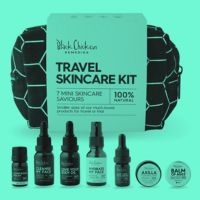
For those looking for a natural option that feels high-performance rather than compromise-driven, Black Chicken Remedies has helped redefine what natural underarm care can look like - effective, skin-conscious and easy to make part of a daily wellness ritual.
The best choice is usually the one that leaves you thinking less about your underarms, not more. When your product feels comfortable, performs well and fits your values, getting dressed in the morning becomes simpler - and that is often the clearest sign you have found the right one.