











You can tell a lot about a deodorant within a week. If your underarms feel itchy, your clothes start holding onto odour, or you find yourself reapplying by lunchtime, it is usually not your body failing you. It is often a sign the formula is not the right fit. If you have been wondering how to choose natural deodorant, the answer starts with your skin, your routine and the kind of performance you actually need.
Natural deodorant is not one-size-fits-all. Some formulas are made for sensitive underarms. Others are better for active days, stress sweat or long hours in warm weather. The right product should work with your body, not against it, while still giving you the confidence to get through the day comfortably.
How to choose natural deodorant for your body
The best place to start is with how your underarms behave day to day. If your skin is easily irritated after shaving, reacts to fragrance, or tends to feel dry, look for a formula designed for sensitive skin. Gentle bases and soothing oils can make a noticeable difference, especially if you have had a bad experience with natural deodorants in the past.
If odour control is your main priority, pay close attention to the active natural ingredients. Deodorants do not stop sweating in the same way antiperspirants do, but they can help neutralise odour effectively. Ingredients such as magnesium, bicarbonate of soda, charcoal and selected essential oils are often used for this reason. The trade-off is that stronger odour-fighting ingredients can sometimes be less suitable for very reactive skin, so performance and comfort need to be balanced.
Your climate and activity level matter too. An office day in winter is very different from a coastal walk in January or a gym session before work. If you live in a warm part of Australia, move a lot during the day, or naturally perspire more, choose a formula known for lasting protection rather than a light, barely-there option.
Understand what natural deodorant actually does
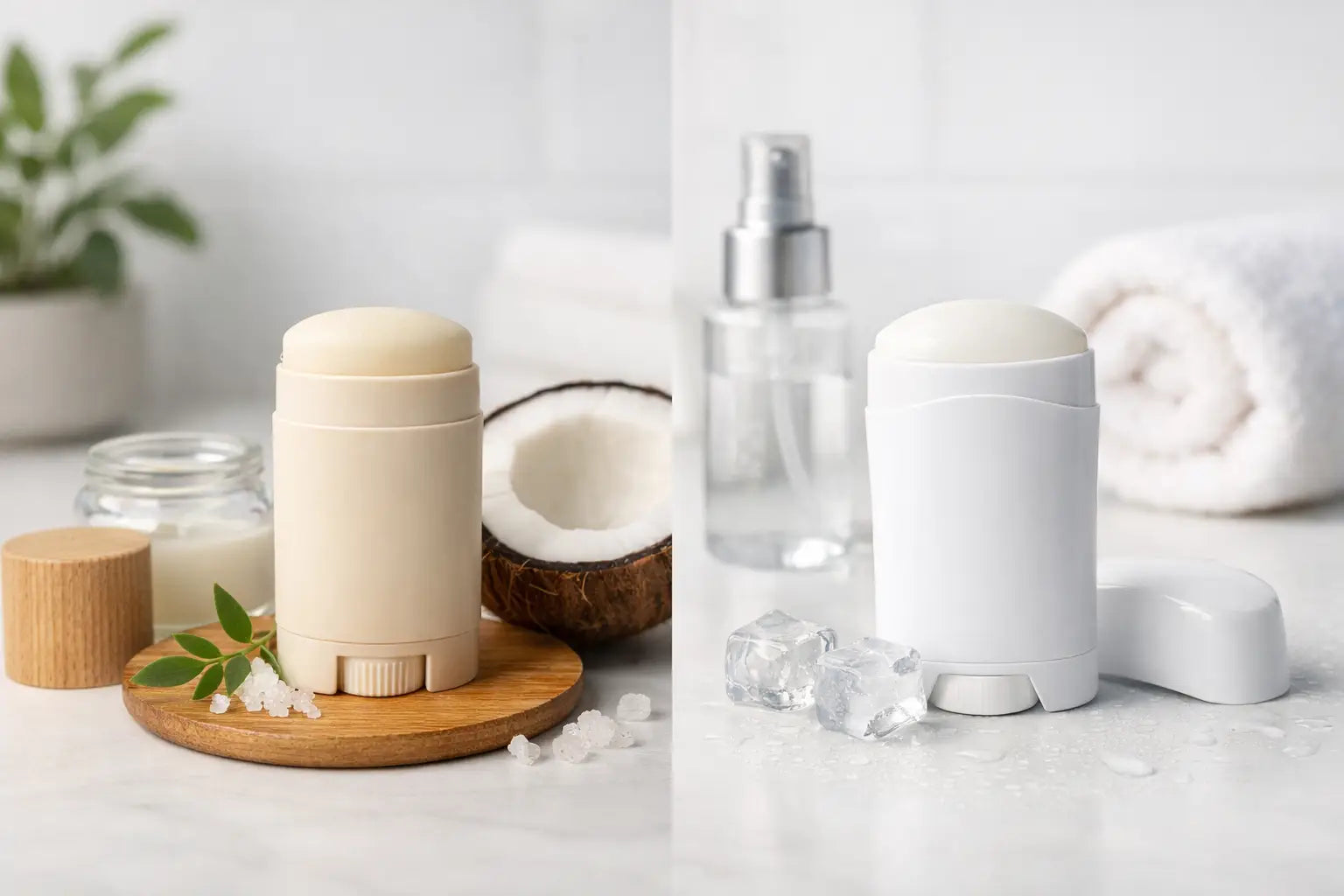
A lot of disappointment comes from expecting natural deodorant to behave like a conventional antiperspirant. They are different products with different goals. Antiperspirants are designed to reduce perspiration, usually with aluminium salts. Natural deodorants focus on managing odour while supporting the skin with ingredients that feel more aligned with a low-tox routine.
That means some moisture is normal. The aim is not to block a natural body function. The aim is to stay fresh, comfortable and balanced. For many people, that shift in expectation is what makes the category much easier to navigate.
It is also worth knowing that your underarms may need a short adjustment period if you are moving away from a conventional formula. Not everyone experiences this, but some people notice changes in sweat levels or odour for a week or two. That does not always mean the deodorant is wrong. It can simply mean your skin microbiome is settling into a new routine.
Ingredients to look for, and ingredients to approach carefully
If ingredient transparency matters to you, natural deodorant can feel like a much better fit than conventional options. Still, not every natural formula is automatically gentle or effective. Reading the label matters.
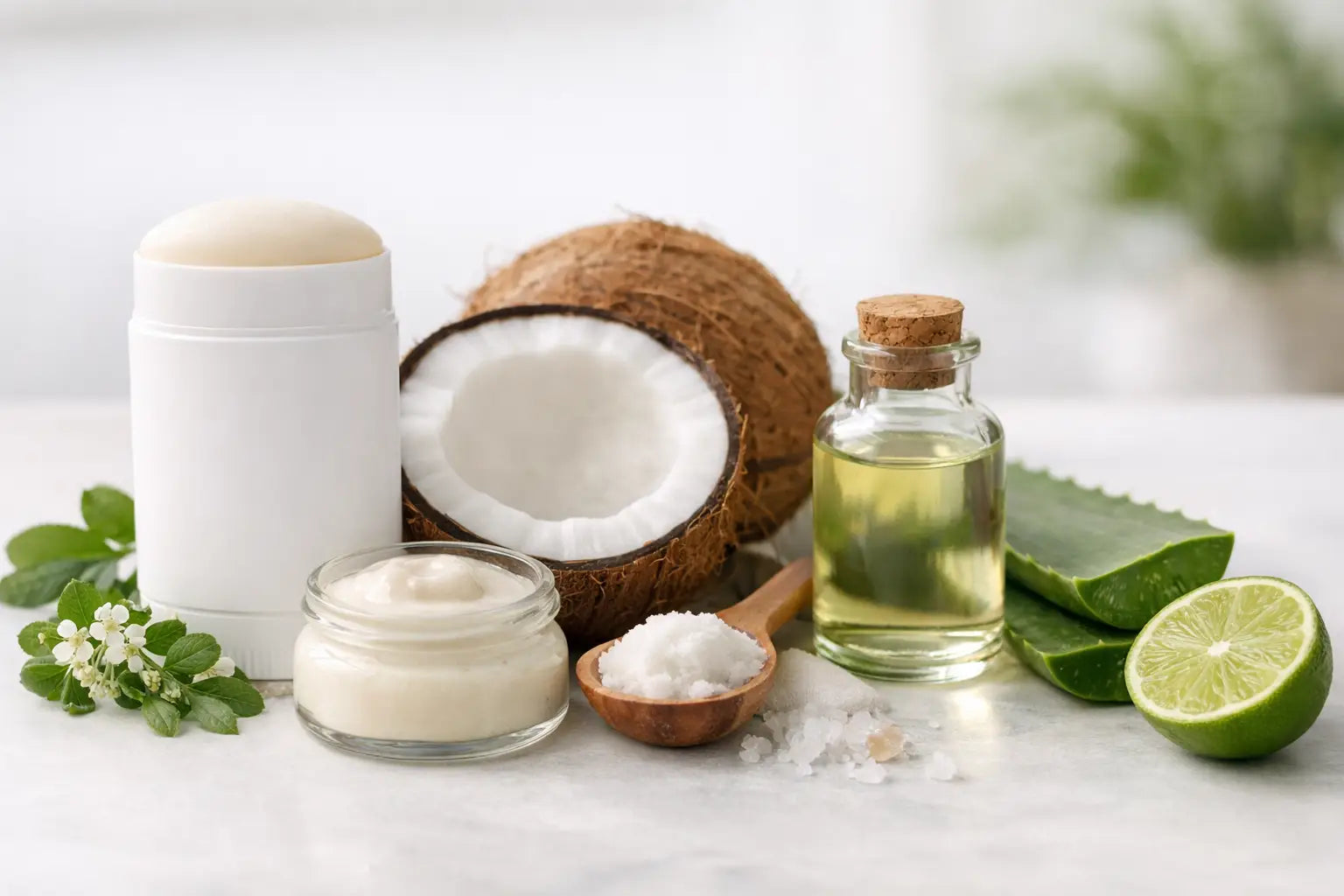
Look for ingredients with a clear function. Magnesium is a popular choice for odour control and is often better tolerated than bicarbonate of soda. Arrowroot powder and tapioca can help absorb moisture. Coconut oil, shea butter and botanical oils can help the product glide on smoothly while supporting the skin barrier. Essential oils may add freshness, but the blend should feel considered rather than overpowering.
Bicarbonate of soda can be highly effective for odour, but it is not ideal for everyone. Some people use it daily with no issue. Others find it causes redness, dryness or stinging, particularly after shaving. If your underarms are already sensitive, a bicarb-free formula is often the safer place to start.
Fragrance deserves a closer look too. Even when fragrance comes from natural essential oils, more is not always better. Strong scent can be appealing in the jar, but underarms are delicate skin. If you are prone to reactivity, choose a lightly scented or fragrance-free option.
Choose the right format for your routine
Texture has a bigger impact than most people expect. A deodorant can have excellent ingredients and still end up sitting unused if the format does not suit your mornings.
Paste and cream formulas are often loved for their rich feel and strong coverage. They suit people who do not mind applying with fingers and want a more intentional self-care ritual. They can also be helpful if you want to control exactly how much product you use.
Stick formats feel familiar and convenient, especially if you are moving over from a conventional deodorant. They are simple, tidy and easy to keep in your gym bag or travel kit. Roll-ons can feel lighter and fresher on the skin, although drying time varies.
There is no superior format across the board. It depends on what you are likely to use consistently. The best deodorant is the one that fits into real life without becoming a chore.
How to choose natural deodorant if you have sensitive underarms
Sensitive underarms need a little more care. If you often react to shaving, waxing, friction or fragranced products, start with the gentlest formula available rather than the strongest. This is especially true if you have tried natural deodorant before and written it off.
Look for shorter ingredient lists, calming botanical oils and formulas without bicarbonate of soda if you know that ingredient does not suit you. Applying to clean, dry skin also helps. If you have just shaved, it may be worth waiting a little while before applying any deodorant, natural or otherwise.
Patch testing is sensible here. Try a small amount for a few days and watch how your skin responds. A mild tingle from essential oils can happen, but persistent redness, itching or burning is your cue to stop. Good natural deodorant should feel supportive, not like something you have to push through.
Performance matters, so be honest about what you need
Natural products should still work. That sounds obvious, but many people lower their expectations when they switch categories. You do not need to settle for a deodorant that smells lovely in the tin but lets you down by mid-afternoon.
Be honest about your lifestyle. If you commute, exercise, juggle school pick-up and work, or spend long days outdoors, you need reliable odour protection. That may mean choosing a formula with stronger active ingredients or one specifically designed for maximum protection. If your days are gentler and your skin is easily upset, comfort may matter more than pushing for the most intense formula on the shelf.
This is where trial sizes can be genuinely helpful. They let you test a deodorant through your actual routine before committing to a full-size product. That is especially useful with premium formulas, where you want confidence in both feel and performance.
For shoppers looking for a natural option that balances sensitive-skin care with high-performance odour protection, Black Chicken Remedies has built a strong following for exactly that reason.
Give it a fair trial, but not forever
When learning how to choose natural deodorant, patience helps, but so does knowing when to move on. Give a new product enough time to show you how it performs across a normal week. Wear it to work, on active days and in warm weather. Notice not just odour control, but skin comfort, texture, how it wears on clothing and whether you actually enjoy using it.
If the formula improves after a few days and your skin feels settled, you may have found the right match. If you are still getting irritation, noticeable odour breakthrough or residue that bothers you, it is probably the wrong formula for your body.
This is where people often assume natural deodorant does not work for them. More often, they just have not found the right type yet. A magnesium-based formula may suit you better than a bicarb-based one. A cream may outperform a stick on your skin. A sensitive option may be more effective overall because you can use it consistently without irritation.
Small details that make a big difference
A few practical details are easy to overlook. Check whether the formula leaves marks on dark clothing or feels too oily under fitted fabrics. Notice whether the scent lingers in a way you enjoy, or competes with your perfume or body oil. Consider packaging too. If sustainability matters to you, refill options or lower-waste formats can make the product feel more aligned with your values.
It is also worth thinking about seasonality. Your favourite deodorant in winter may not be your best option in summer. Some people keep a gentler formula for quieter days and a stronger one for high-pressure weeks, travel or exercise-heavy periods. That is not high maintenance. It is simply choosing products that suit the reality of your life.
The right natural deodorant should feel easy, effective and kind to your skin. Once you find that balance, it stops being a compromise and becomes part of a daily ritual that supports your wellbeing in a very practical way.