










Your underarms are often the first place to tell you a product is not working for your skin. Stinging after application, persistent redness, dry patches or an itch that returns by lunchtime are not signs you need to push through. Sensitive skin deodorant results should feel reassuring: dependable odour protection paired with underarms that feel comfortable, balanced and cared for.
For many people, changing deodorant is not simply a swap at the bathroom cabinet. It is a chance to simplify an area of skin that deals with friction, shaving, heat, exercise and daily product build-up. The right natural deodorant can support a fresher routine without asking sensitive underarms to tolerate more than they need to.
What sensitive skin deodorant results really look like
The best result is not necessarily completely dry underarms. Sweating is one of the body’s normal cooling processes, while body odour develops when sweat meets bacteria on the skin. A deodorant is designed to manage odour, rather than block sweat in the way an antiperspirant does.
That distinction matters when setting expectations. With a well-matched natural deodorant, you may still notice perspiration on a warm Sydney commute, during a workout or on a high-pressure day. What can change is how fresh you feel, how your underarms smell and, crucially, how your skin behaves after regular use.
For sensitive skin, positive results commonly include less discomfort after application, fewer dry or flaky areas, and no lingering sting after shaving once the skin has settled. The product should also feel easy to wear. A formula that protects against odour but leaves residue on clothing, feels gritty or irritates your skin is not the right long-term fit.
The first weeks: why results can vary
If you are moving from a conventional antiperspirant to a natural deodorant, the first week or two can feel different. Your skin is adapting to a new formula and a different approach to perspiration. This does not mean you need to endure severe irritation, burning or a rash. Those are clear reasons to stop using the product and let your skin recover.
What is more common is a short adjustment period where you become more aware of sweat, particularly in hot weather or during exercise. You may need to reapply after a gym session, a long day outdoors or a particularly stressful day. This is not a failure of the product. It is a practical part of finding the amount and application rhythm that suits your body.
A gentle switch is usually the most useful approach. Start with clean, completely dry underarms, use only a small amount and give the formula a few days before deciding how it performs. Applying too much will not necessarily improve protection, and can create unnecessary transfer onto clothing or leave the skin feeling coated.
Your skin barrier comes first
Underarm skin is delicate. It is often freshly shaved, regularly rubbed by clothing and exposed to fragrance, detergent and sweat. If your skin is already reactive, introduce any new deodorant with care. A small patch test is sensible, especially if you know you react to essential oils, bicarbonate soda or fragranced products.
Avoid applying deodorant straight after shaving if your skin feels tender or looks irritated. Waiting until the area is calm can make a meaningful difference. If you have broken skin, active dermatitis or an unexplained rash, seek advice from a health professional before introducing a new product.
Natural does not automatically mean suitable for every person. Ingredient-conscious formulas can be a thoughtful option for sensitive underarms, but individual sensitivities still matter. The most effective choice is one with an ingredient profile you tolerate well and performance you can rely on.
What influences deodorant performance
Deodorant results are personal because underarms are personal. Your natural body chemistry, activity level, stress, hormones, clothing and climate all influence how fresh you feel. A formula that carries someone else through a summer festival may need a midday top-up for you after a fast walk to the train.
Application technique also matters more than many people realise. Deodorant works best on clean, dry skin. Applying it over sweat, moisturiser or damp skin can dilute the product and make odour protection feel less consistent. Give it a moment to settle before getting dressed, particularly with a balm-based formula.
Laundry plays a role, too. Odour can cling to the underarm area of tops, especially synthetic activewear. If a clean application seems to lose effectiveness unusually quickly, consider whether your garments need a more thorough wash. Fresh skin and freshly cleaned clothing give any deodorant its best chance to perform.
There is also no need to expect one application method to suit every season. In cooler months, a small morning application may be all you need. During humid weather, travel or intense activity, keeping your deodorant nearby for a quick refresh can be a practical part of your wellness ritual.
Choosing a formula for sensitive underarms
Start by looking at both your skin history and your performance needs. If you have reacted to deodorants before, identify the likely trigger where possible. Was it strong fragrance, a particular active ingredient, over-application or applying immediately after hair removal? Patterns can help you make a more confident choice.
Bicarbonate soda is valued in many natural deodorants for its ability to help neutralise odour, yet some people with highly sensitive skin find it irritating. A bicarbonate-free option may be a better place to begin if you have experienced repeated redness or discomfort. On the other hand, if you have used bicarbonate-based formulas comfortably and want maximum odour protection, that format may suit you well.
Scent is another consideration. A light natural aroma can make application feel like a small moment of self-care, but unscented or lower-scent options may be preferable when your skin is particularly reactive. The goal is not to choose the strongest fragrance. It is to choose protection that works quietly and comfortably throughout your day.
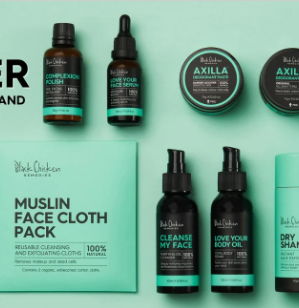
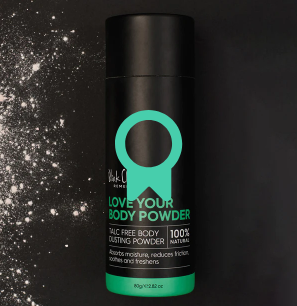
Black Chicken Remedies developed its Axilla range around that balance: high-performance odour protection with options that recognise the needs of sensitive underarms. Choosing between formulas is less about finding a universally ‘best’ deodorant and more about matching the formula to your skin, routine and preferred level of protection.
How to get better sensitive skin deodorant results
Consistency helps you assess a product fairly. Use the same deodorant for around one to two weeks unless your skin becomes irritated, and notice how it performs across ordinary life: workdays, exercise, warm weather and relaxed weekends. One unusually sweaty afternoon is not the whole story.
Keep the rest of your underarm routine simple while you test it. Harsh scrubs, fragranced body washes and frequent shaving can all make it harder to work out what is causing irritation. Gentle cleansing, a clean towel and a measured application are enough for most people.
If odour protection is not lasting as long as you hoped, try a slightly more thorough cleanse and make sure the skin is fully dry before applying. You can also adjust the amount gradually. A thin, even layer is generally more useful than repeatedly swiping or scooping on extra product.
If discomfort appears, pause rather than layering on another deodorant. Let the area settle, then reconsider the formula, frequency or timing of use. A product that works with your skin should not require you to ignore persistent warning signs.
Signs it may be time to change formulas
A little adjustment is one thing. Ongoing burning, swelling, a spreading rash or cracked skin is another. Stop using the deodorant if these occur and seek medical advice if symptoms are severe, persistent or concerning.
You may also simply need a different level of protection. If your skin is comfortable but odour control is not meeting your needs, try a formula designed for stronger performance, or plan a small reapplication around exercise and warmer days. If protection is excellent but your skin feels dry, a gentler or bicarbonate-free formula may be the better trade-off.
Give your underarms the same care as the rest of your skin
Sensitive underarms do not need to settle for deodorant that merely gets by. The most encouraging results are often understated: you get dressed without worrying about stinging, move through the day feeling fresh, and stop thinking about your deodorant altogether.
Listen to what your skin is telling you, allow a little time for a new routine to prove itself, and choose protection that supports your body rather than fighting it. That is where everyday confidence begins.