











Your skin absorbs less than many beauty marketing claims suggest, but what you apply every morning and night still deserves attention. Cleansers, serums, moisturisers, deodorant and body products are repeated parts of daily life, often used on delicate or freshly shaved skin. Choosing thoughtfully can make a real difference to comfort, confidence and the way your routine feels.
So, what is toxin free skincare? It is a practical term for skincare made without selected ingredients that a brand or customer considers unnecessary, irritating or of potential concern. Think of it less as a scientific guarantee and more as an ingredient philosophy: reduce avoidable exposures, favour purposeful formulas and choose products that support your skin rather than overwhelm it.
The most useful approach is not fear. It is understanding what is in your products, why it is there and how your own skin responds.
What does toxin free skincare really mean?
There is no single legal definition of “toxin free” in skincare. In Australia, cosmetics are regulated, but the phrase itself is not a fixed certification or a promise that a product contains nothing that could ever cause a reaction. Even water, essential oils and botanical extracts can be unsuitable for a particular person or skin condition.
In everyday use, toxin free skincare usually describes formulas that avoid certain ingredients commonly questioned by ingredient-conscious shoppers. These may include parabens, phthalates, synthetic fragrance, sulphates such as sodium lauryl sulphate, mineral oil, silicones, PEGs and some preservatives. Exactly what is excluded varies from one brand to another, so the label matters more than the claim on the front of the bottle.
A well-made natural product should not ask you to compromise on performance. The goal is effective cleansing, hydration, odour control or skin nourishment with considered ingredients and a sensorial experience that feels good to use. For sensitive skin, simplicity can be especially valuable.
Why people choose a lower-toxin routine
For many people, the first reason is irritation. Stinging after cleansing, tightness beneath moisturiser, itchy underarms or a rash after using a fragranced product can all be signs that a formula is not agreeing with your skin. This does not automatically mean one ingredient is “toxic”. Reactions are personal, and can be influenced by concentration, frequency of use, the wider formula and the condition of your skin barrier.
Others want greater transparency. A product can contain a long ingredient list and still be beautifully formulated, but customers deserve to know what they are applying and what each formula is designed to do. A clear ingredient approach makes it easier to choose products that align with your needs, whether that is avoiding artificial fragrance, seeking certified organic ingredients or using fewer products overall.
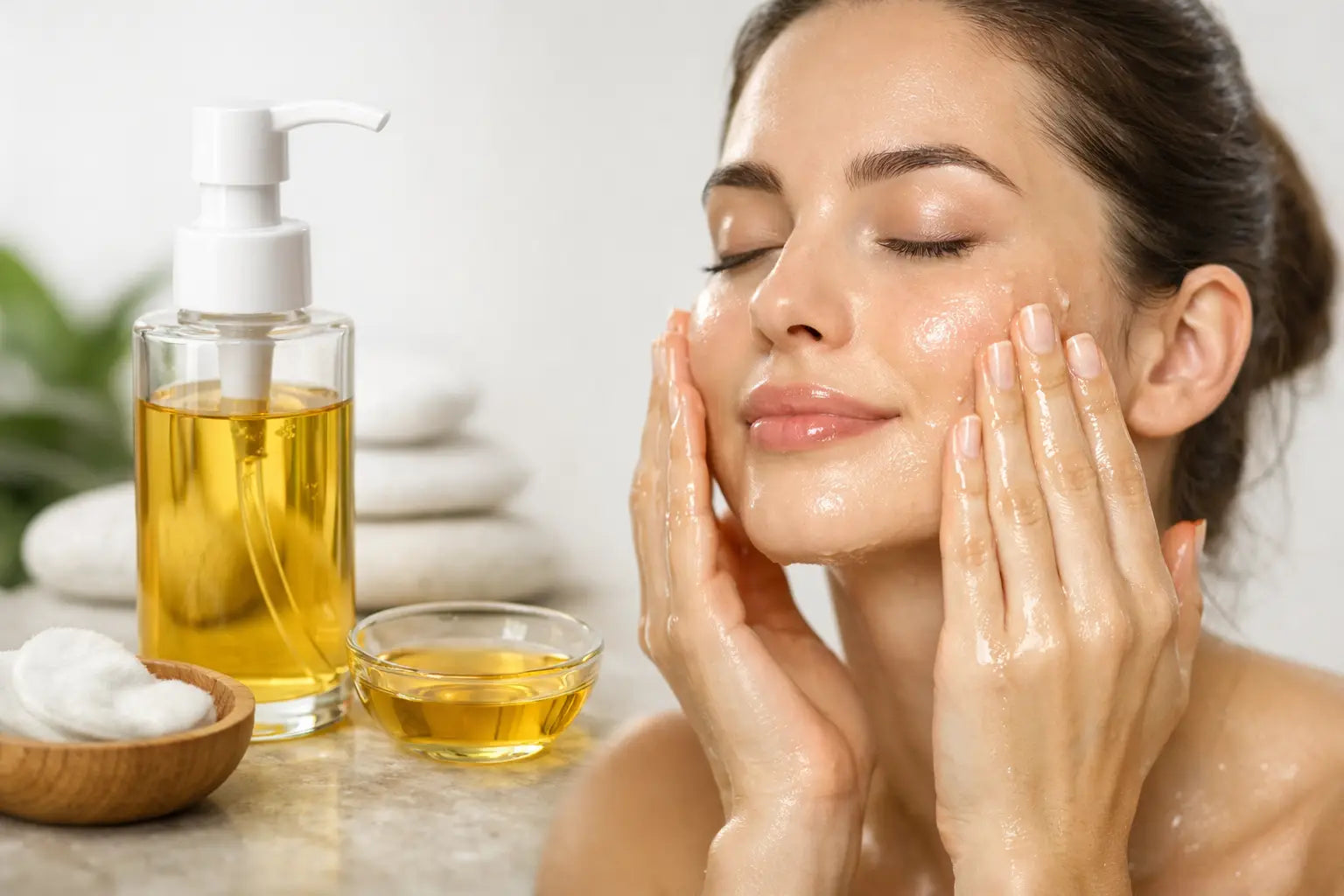
There is also a whole-body wellbeing element. Small daily rituals add up. Swapping a harsh cleanser for a nourishing cleansing oil, applying body oil after a shower or finding deodorant that gives maximum protection without aggravating sensitive underarms can turn maintenance into genuine self-care.
Natural is not automatically gentle
“Toxin free”, “natural” and “organic” are often used together, but they do not mean the same thing. Natural ingredients are derived from nature. Organic ingredients are grown and processed according to specific standards where certified. Toxin free is generally a brand-led statement about what has been left out.
Natural ingredients can be highly active. Essential oils, for example, bring beautiful aroma and functional benefits, yet may be too stimulating for very reactive skin. Plant oils can be deeply nourishing, but richer textures may not suit every face or climate. A natural formula can be an excellent choice, provided it is balanced, thoughtfully preserved and right for your skin.
This is why “free from” claims are only the beginning. Look for a product that explains its purpose, feels comfortable in use and gives your skin a chance to settle. The best routine is rarely the most complicated one.
Ingredients worth understanding
You do not need a chemistry degree to shop with confidence. Start by reading the ingredient list, often labelled INCI, and focus on the ingredients you know you react to or prefer to avoid. If you are unsure, introduce one new product at a time.
Fragrance is a common consideration. The word can refer to a blend of aromatic ingredients and may not reveal every component. Some people use fragranced products without issue, while those with sensitivity, eczema or a compromised skin barrier may prefer fragrance-free or lightly scented options. “Unscented” can still include masking fragrance, so the full ingredient list is useful.
Surfactants are another area to consider. They are cleansing agents, and they are not inherently bad. However, stronger surfactants can leave some skin feeling stripped, particularly when used in face washes, body washes or products used several times a day. A gentle cleanser should remove the day without leaving your face squeaky, tight or thirsty.
Preservatives also deserve a balanced view. Water-based skincare needs a reliable preservation system to remain safe during use. Avoiding all preservatives is not necessarily better, as microbial growth can create its own problems. What matters is that a formula is safely preserved and made with ingredients that suit your preferences and skin.
How to build a toxin free skincare routine that works
Start with the products you use most often and over the largest areas of skin. For some, that is body wash and moisturiser. For others, it is deodorant, face cleanser or a daily serum. Replace products as they run out rather than throwing away a whole bathroom cabinet at once. This is gentler on your budget and helps you identify what is making a positive difference.
Keep the foundations simple: cleanse without stripping, hydrate according to your skin type and protect your skin from daily sun exposure with a broad-spectrum sunscreen you will wear consistently. From there, add targeted products only when there is a clear need, such as a facial oil for dryness, an exfoliant for dull texture or a calming body oil for a post-shower ritual.
If your skin is sensitive, patch test first. Apply a small amount to the inner arm or behind the ear, then wait 24 to 48 hours before broader use. A patch test cannot predict every reaction, but it is a sensible extra step with any new formula. If you experience persistent redness, swelling, itching or discomfort, stop using the product and speak with a pharmacist, GP or dermatologist.
Texture matters, too. An oil-based cleanser can suit dry or mature-feeling skin, while a lighter gel or cream cleanser may feel more comfortable for combination skin. In humid Australian weather, you may prefer a breathable moisturiser during the day and a richer formula at night. Your skin can also change with seasons, stress, hormones and travel, so let your routine change with it.
A note on deodorant and underarm care
Underarm skin is often overlooked in skincare conversations, despite being exposed to friction, shaving and daily product application. Conventional deodorants and antiperspirants can work well for many people, but some find that strong fragrance, alcohol or particular actives leave their underarms uncomfortable.
A natural deodorant is designed to manage body odour rather than stop perspiration. Sweating is a normal body function, while odour develops when sweat interacts with bacteria on the skin. Effective natural formulas often use odour-neutralising minerals, plant powders and nourishing oils to keep underarms feeling fresh and supported.
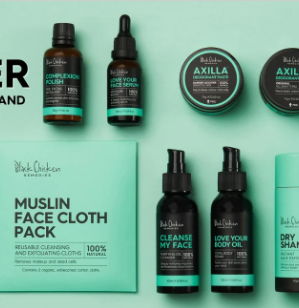
There can be an adjustment period when changing products, particularly if you have relied on antiperspirant for years. Give the new formula time, apply it to clean, dry skin and avoid using it immediately after shaving if your underarms are prone to sensitivity. Black Chicken Remedies created its Axilla range around this balance: high-performance odour protection with a considered approach for sensitive underarms.
Questions to ask before you buy
Rather than looking for a perfect label, ask whether the formula is transparent about ingredients and exclusions. Consider whether it is appropriate for your skin type, whether the scent is likely to suit you, and whether the brand gives clear directions for use. If sustainability matters to you, refill options, recyclable packaging and a product you will genuinely finish are all worthwhile considerations.
Be wary of products that use alarming language to sell fear. Dose, formulation and individual sensitivity matter. A thoughtful toxin free routine is not about chasing zero-risk skincare, because that does not exist. It is about making informed, comfortable choices and noticing what helps your skin look and feel its best.
Your bathroom shelf does not need a dramatic overhaul. Begin with one product that you use every day, choose a formula with a clear purpose and generous ingredient transparency, then pay attention to how your skin responds. That quiet consistency is where a wellness ritual starts to work with your body, not against it.