










A black top, a packed train platform, a warm summer walk - underarm care can feel very personal when sweat or body odour enters the picture. Understanding antiperspirant versus deodorant differences makes it easier to choose a product that suits your body, your routine and your sensitive underarms.
The short version is simple: antiperspirant is designed to reduce perspiration, while deodorant is designed to manage underarm odour. Both can help you feel fresh, but they work in distinctly different ways. The right choice depends on whether your main concern is wetness, odour, skin comfort or a mix of all three.
Antiperspirant versus deodorant differences: what each does
Sweat itself is largely odourless. Your eccrine sweat glands produce moisture to help regulate body temperature, while apocrine glands, found in areas such as the underarms, release a thicker fluid. When bacteria on the skin break this down, the familiar smell of body odour can develop.
A deodorant works at the skin’s surface to help reduce or neutralise that odour. Depending on its formula, it may use ingredients that help absorb moisture, keep the underarm area feeling dry, adjust the conditions in which odour-causing bacteria thrive, or add a fresh natural scent. It does not aim to stop the body’s normal sweating process.
An antiperspirant takes a different approach. Its active ingredients, most commonly aluminium salts, form temporary plugs within sweat ducts to reduce the amount of sweat reaching the skin’s surface. Less moisture can also mean less opportunity for odour to develop, which is why many conventional products combine antiperspirant and deodorant functions in one formula.
Neither format is automatically right for everyone. It comes down to the experience you want from your daily underarm care.
Do you need sweat control or odour protection?
If visible sweat patches are your biggest concern - perhaps during presentations, long commutes or humid days - an antiperspirant may be the more targeted option. It is formulated specifically for wetness control, not just freshness.
If you are comfortable with normal perspiration but want dependable odour protection, deodorant may be a better fit. This is often the preferred path for people building a more natural personal care ritual, particularly if they want to avoid aluminium-based antiperspirant actives.
There is also plenty of middle ground. You may prefer antiperspirant on high-pressure days and deodorant at other times. Or you may find that a high-performance natural deodorant gives you the confidence you need without trying to interfere with sweat production. Bodies, climates, stress levels and activity all change, so your underarm routine can change too.
Sweat is not a sign that your deodorant has failed
This is one of the most useful distinctions to make. A deodorant can be working well even if you perspire. Its job is to keep body odour in check, not to prevent moisture.
That can take an adjustment period if you are used to an antiperspirant. You may notice dampness during exercise, on a hot day or when nerves kick in. That is a normal body response, not a reflection on your hygiene. The more relevant question is whether you still feel comfortable, fresh and supported through the day.
Ingredients and sensitive underarms
Underarm skin is delicate. It experiences friction from clothing, shaving, heat and repeated product application, so ingredient choice matters. Whether you choose deodorant or antiperspirant, a formula that feels good on your skin is essential.
Conventional antiperspirants rely on aluminium salts for their sweat-reducing action. Some formulas also include fragrance, alcohol or other ingredients that may not suit every skin type. This does not mean all antiperspirants will cause irritation, but if your underarms regularly sting, itch or become red, it is worth looking closely at the full ingredient list and taking a simpler approach.
Natural deodorants are often chosen for their ingredient transparency and their focus on odour management rather than sweat blocking. Common ingredients can include plant oils, botanical extracts, mineral powders and moisture-absorbing bases. These can be highly effective, but natural does not always mean irritation-free. Essential oils and sodium bicarbonate, for example, can be too active for some sensitive underarms.
The best formula is not the one with the longest promise on the front of the pack. It is the one that provides effective odour protection while your skin remains calm and comfortable.
If your underarms react easily
Start with a patch test, especially when trying a new deodorant or a formula containing essential oils. Apply a small amount to clean skin and give it time before using it daily. After shaving, wait until any tiny nicks or sensitivity have settled before applying product.
If irritation appears, stop using the product rather than trying to push through it. A gentler, bicarbonate-free or fragrance-free option may suit you better. Persistent rash, pain or unusual changes to the skin should be checked with a health professional.
Does switching to natural deodorant cause a detox?
You may hear people describe a transition to natural deodorant as an underarm ‘detox’. Your body does not need to detox from deodorant. The liver and kidneys already do that work.
What can happen is more practical: when you stop using an antiperspirant, sweat is no longer being reduced in the same way. You may notice more moisture at first simply because your usual product is no longer controlling it. Changes in diet, stress, hormonal shifts, exercise and weather can also affect how much you sweat and how your body odour presents.
Give a new deodorant a fair trial, ideally on clean, dry skin. If it is not controlling odour after a reasonable adjustment period, it may not be the right formula for your chemistry. There is no prize for persevering with a product that leaves you uncomfortable or self-conscious.
How to get the best results from deodorant
Application makes a meaningful difference. Apply deodorant to clean, dry underarms, rather than layering it over sweat after a workout. A small amount is usually enough, particularly with concentrated pastes and balms. Too much product can transfer to clothing or create unnecessary friction.
It can also help to consider the format. A paste or balm gives you control over how much you apply and can be a lovely part of a slower self-care ritual. A stick is convenient for busy mornings and travel. Sensitive-skin formulas may be worth prioritising if shaving or conventional products have left your underarms feeling unsettled.
For long days, pack your deodorant for a quick refresh if that suits your routine. Breathable natural fibres and washing workout clothes promptly can also support freshness, as odour-causing bacteria can linger in fabric.
Choosing the right underarm ritual for you
Choose an antiperspirant if reducing sweat is your non-negotiable priority. Choose a deodorant if you want to manage odour while allowing your body to perspire naturally. If you are seeking a natural option, look for a formula that is clear about its ingredients and designed with both performance and skin comfort in mind.
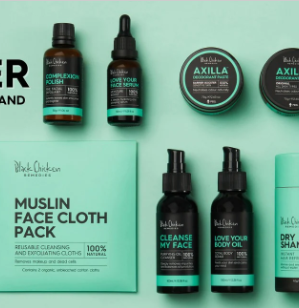
Black Chicken Remedies’ Axilla range is created for people who want effective natural odour protection without compromising on the feel of their daily ritual. As with any personal care product, the most suitable option will depend on your skin, lifestyle and scent preferences.
Your underarms do a quiet but important job every day. Give them a formula that meets your real needs, feels good to apply and helps you move through the day with confidence - whether that means controlling sweat, managing odour or simply treating your skin with more care.