










Your underarms are easy to overlook until they start stinging, itching or reacting to the very product meant to keep you fresh. Sensitive underarm care results are not about forcing your skin through a harsh adjustment period. They come from choosing effective deodorant support, applying it thoughtfully and giving your skin the consistency it needs to settle.
Underarm skin is thin, often freshly shaved and regularly exposed to friction, heat and sweat. Add strong fragrance, alcohol, aggressive exfoliation or an unsuitable deodorant formula, and even resilient skin can become uncomfortable. A gentler approach can still deliver dependable odour protection - without asking your skin to put up with unnecessary irritation.
What sensitive underarm care results really look like
The best result is not perfectly dry skin at all costs. Sweating is a normal body function that helps regulate temperature. Instead, look for underarms that feel calm and comfortable, with odour kept under control through busy workdays, warm commutes, workouts and weekends outdoors.
For many people, positive changes include less redness after shaving, fewer dry or rough patches, reduced itchiness and a more even-looking underarm area over time. You may also notice that you stop thinking about your deodorant halfway through the day. That quiet confidence matters.
Results are personal. Skin can react differently according to your shaving routine, stress levels, hormonal changes, climate, clothing and the amount you sweat. Someone who wears a loose linen shirt in mild weather may need a different routine from someone training before work in a fitted synthetic top.
Odour protection and sweat are not the same thing
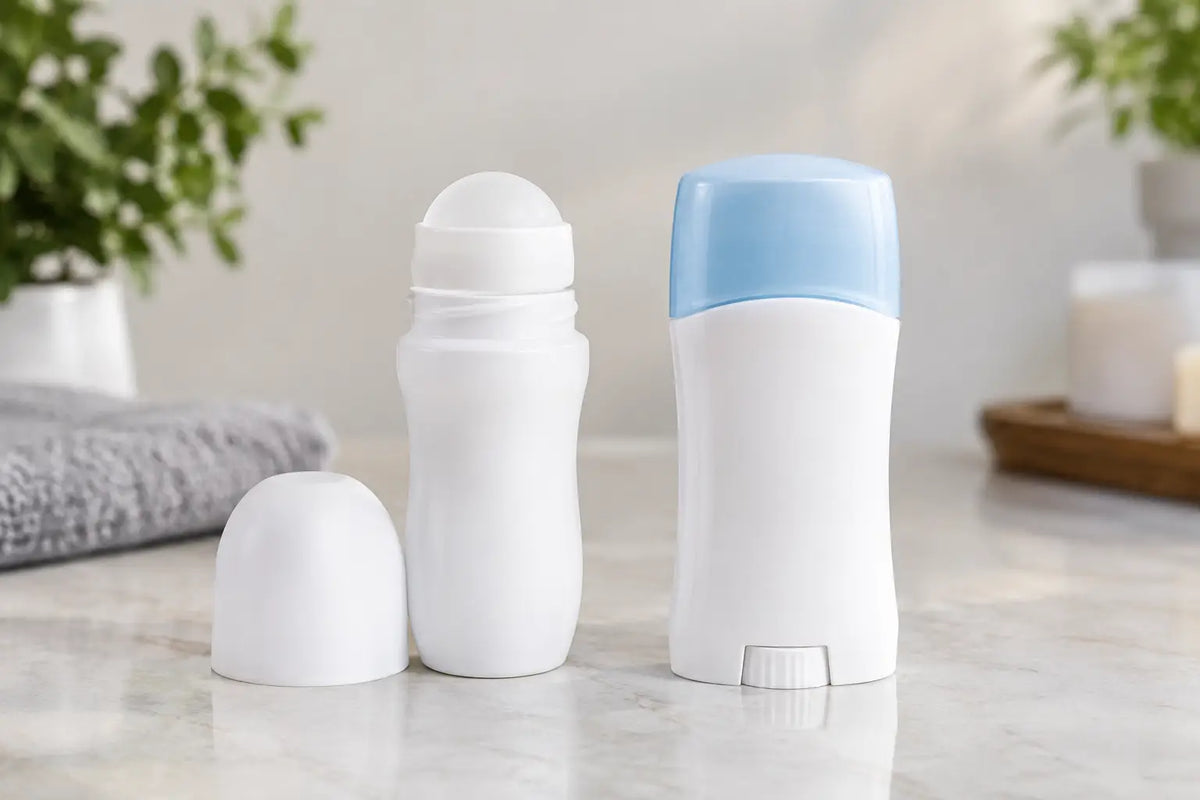
This distinction makes natural deodorant easier to assess fairly. Deodorant is designed to help manage body odour, while an antiperspirant is formulated to reduce wetness by temporarily blocking sweat ducts. If you move to a natural deodorant, you may still perspire - particularly in Australian summer - but your skin can remain fresh and supported.
Give the formula a realistic test in the conditions that matter to you. A quick check while sitting at home does not tell you much about performance during a humid day, a gym session or a long commute. Notice odour, comfort and how the skin looks the next morning, not just immediate dryness.
The routine behind better sensitive underarm care results
A good routine is deliberately simple. Overworking the area with scrubs, acids and multiple fragranced products can compromise the skin barrier and make it harder to identify what is causing a reaction.
Start by cleansing gently in the shower, then patting your underarms fully dry. Applying deodorant onto damp skin can dilute the product and create unnecessary friction. If you shave, use a clean razor and a suitable shaving product, then avoid applying deodorant immediately if your skin feels nicked, warm or tender.
A small amount of deodorant is usually enough. More product does not always equal more protection. It can leave residue on clothing or create a heavy layer that does not sit comfortably on sensitive skin. Warm a balm deodorant against the skin for a moment, then apply a light, even layer.
Consistency is useful, but so is listening to your skin. If there is persistent burning, a rash, swelling or broken skin, stop using the product and seek advice from a health professional. A temporary pause is not a failure. It is sensible skin care.
Choosing a deodorant for sensitive underarms
Natural formulas are not all the same, and “natural” alone does not guarantee a formula will suit every person. Ingredient choices, scent strength and the delivery format all influence how your underarms respond.
Look for a formula created with sensitive skin in mind and consider how it fits your preferences. Some people prefer an unscented option when they are prone to fragrance sensitivity. Others enjoy a light essential-oil blend but need to avoid applying it straight after shaving. If you have known sensitivities, review the ingredient list carefully before trying a new product.
Bicarbonate of soda is a common deodorising ingredient and can work beautifully for some people. For others, especially those with reactive skin, it may feel too active with frequent use. This is not a question of one ingredient being universally good or bad. It is about finding the formula, frequency and application method that works with your body.
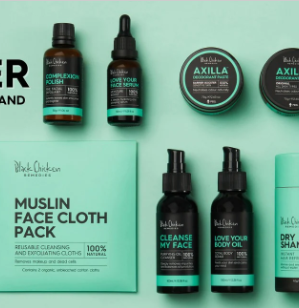
Black Chicken Remedies’ Axilla range is designed to bring high-performance natural odour protection to everyday care, with options that make it easier to choose according to your skin’s needs. A trial size can be a practical place to start if you are changing from conventional deodorant or working out which texture and scent feels right.
Give a new routine time, but not unlimited time
There is no need for an extreme “detox” story when changing deodorant. Your body already has systems for processing and eliminating what it does not need. What can happen is that you notice your normal sweat more clearly when you stop using an antiperspirant, because the goal of your product has changed.
Allow around one to two weeks to understand how a new deodorant performs across your usual routine. Keep the rest of your underarm care steady during this period. Introducing a new razor, body scrub and deodorant in the same week makes it difficult to pinpoint the source of discomfort or reduced performance.
If odour control is not lasting, first check the basics: apply to clean, dry skin; use a smaller, even layer; and wash away any product build-up from the underarm area and clothing. If your skin feels irritated, reduce use, choose a gentler formula or take a break until the skin is calm.
Small habits that protect underarm comfort
Your deodorant does a lot, but it does not work in isolation. Friction from tight clothing, residue trapped in fabric and rushed shaving can all affect how your underarms feel.
Wash workout gear and bras thoroughly, as lingering odour in fabric can return quickly once you start sweating. Choose breathable fabrics where possible, particularly on hot days. After exercise, changing out of damp clothing promptly can help keep the area comfortable.
Exfoliation deserves restraint. A very gentle exfoliant used occasionally may help with surface build-up for some skin types, but daily scrubbing is rarely the answer for sensitive underarms. Skip exfoliation for a few days before and after shaving, and never exfoliate skin that is already sore or inflamed.
If ingrown hairs or persistent dark marks are a concern, avoid treating the area aggressively. Repeated irritation can make discolouration more noticeable. Prioritise a comfortable shave, gentle moisturising and a deodorant that does not leave your skin feeling stressed.
When to rethink your approach
Some sensitivity is easy to confuse with a normal adjustment, but discomfort should not be your baseline. Stop and reassess if redness worsens with each application, if itching continues beyond the first few uses, or if you develop a rash that does not settle after discontinuing the product.
It is also worth considering timing. A deodorant that feels perfect on unshaven skin may sting after a close shave. Applying it the following morning, rather than immediately after shaving, can make a meaningful difference. Similarly, a scented formula may be fine most of the month but feel less comfortable when your skin is already reactive due to heat, stress or hormonal changes.
Sensitive care is not about having a flawless routine. It is about knowing what your skin responds to, making small adjustments early and choosing protection that respects both comfort and performance. When your underarms feel calm, fresh and cared for, your daily ritual becomes one less thing to second-guess.