













The best bath oils for relaxation do more than make the water smell beautiful. They turn a quick soak into a considered wellness ritual, helping soften dry skin, settle a busy mind and create a clear boundary between the demands of the day and time for yourself. The right formula should feel indulgent without leaving your skin uncomfortable or your bath dangerously slippery.
For sensitive or easily reactive skin, choosing well matters. A bath oil is a concentrated product that sits close to the skin, often in warm water when your skin barrier is more receptive. Look for nourishing plant oils, thoughtfully balanced essential oils and a formula that supports your skin rather than overwhelming it with heavy fragrance.
What makes a bath oil genuinely relaxing?
Relaxation is personal. For some, it is a warm, softly scented bath before bed. For others, it is a quiet ten minutes after a long day, with no expectation to meditate perfectly or solve anything. A good bath oil supports that pause through two things: its sensory experience and its skin feel.
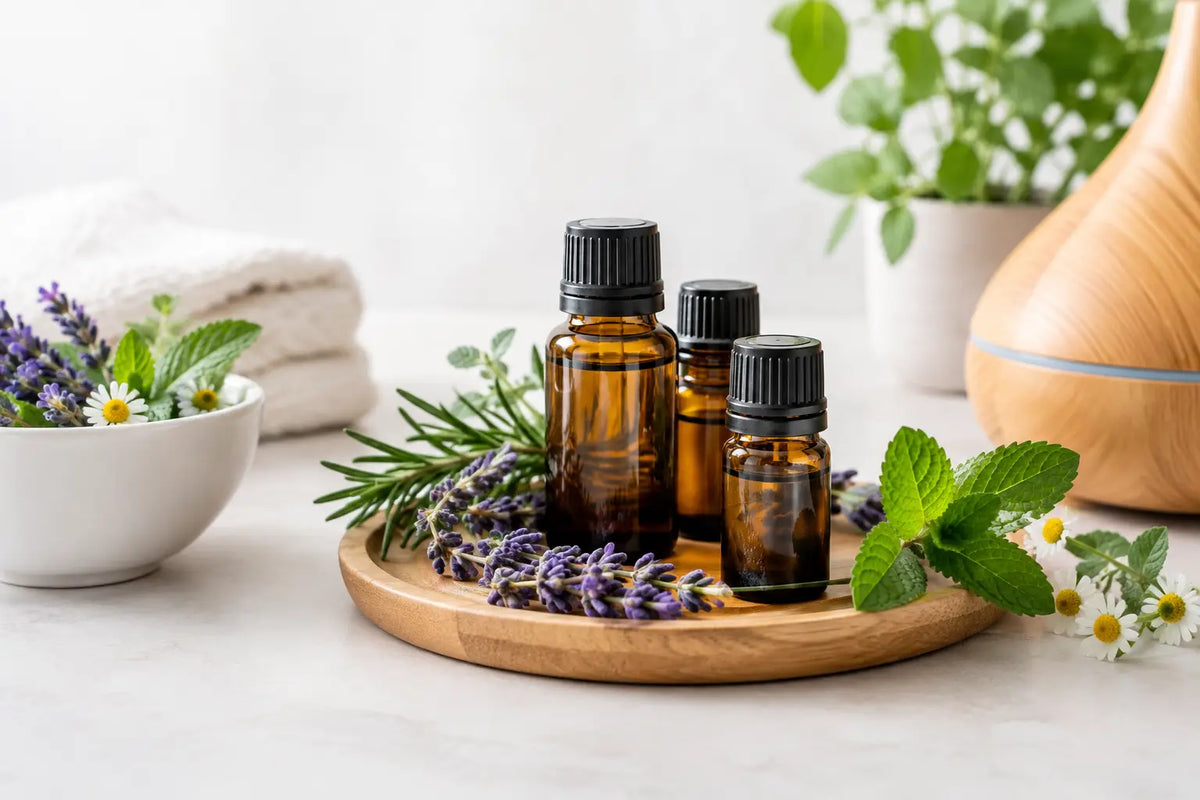
The aroma should feel calm rather than crowded. Lavender is a familiar choice for evening rituals, while Roman chamomile, frankincense, sandalwood and sweet orange can bring a gentle sense of comfort. A blend does not need to be intensely perfumed to be effective as part of a wind-down routine. In fact, softer aromatics are often a better fit for people prone to headaches, scent sensitivity or irritation.
The base oils matter just as much. Jojoba, sweet almond, apricot kernel and sunflower seed oil are popular choices because they leave skin supple and conditioned. Richer oils can be especially welcome in cooler months, when hot showers, indoor heating and dry air can leave limbs feeling tight or rough.
The best formulas disperse reasonably through the water and leave a light veil of moisture on the skin. Pure oils will naturally float on the surface, so take extra care stepping in and out of the bath. If you prefer a less oily finish, choose a bath oil formulated to emulsify slightly in water, or use a smaller amount and apply body oil directly to damp skin afterwards.
The best bath oils for relaxation start with your skin
A gorgeous scent is not worth an irritated skin barrier. If your skin is dry, sensitive or prone to eczema, keep the ingredient list simple and be mindful of essential oil concentration. Natural ingredients can still be active ingredients, and more is not always better.
For dry skin, seek out plant oils high in fatty acids that help reduce that stripped, squeaky-clean feeling after bathing. Jojoba has a light, skin-compatible feel, while sweet almond and apricot kernel oils offer comfortable softness without feeling overly heavy. Vitamin E can provide added antioxidant support to an oil blend, though it is not a replacement for a well-rounded base formula.
For sensitive skin, fragrance-free may be the most comfortable option. If you do enjoy scent, choose a formula with a short, transparent ingredient list and gentle aromatic notes rather than a strong perfume. Patch test a new product on the inner arm first, particularly if you have experienced reactions to fragranced body care before.
If you are dealing with broken skin, a current flare-up or a diagnosed skin condition, speak with your pharmacist, dermatologist or GP before introducing essential-oil-based bath products. The same goes for pregnancy, breastfeeding and use with young children, where personalised advice is worthwhile.
Choose your bath oil by the ritual you need
The most useful way to choose is not by the prettiest bottle or the strongest scent. Think about when you will use it and how you want to feel when you step out of the bath.
For an evening wind-down
Look for a floral-herbal blend built around lavender, chamomile or clary sage. These aromas suit a slower night routine, especially when paired with low lighting, a warm towel and a screen-free half hour before bed. Keep the water comfortably warm rather than hot, as overheating can leave you feeling restless instead of relaxed.
For comfort after a demanding day
Grounding woods and resins such as sandalwood, cedarwood or frankincense can feel restorative when your mind is still racing through a long to-do list. A touch of citrus can keep the blend from becoming too heavy. This is a good choice for an early-evening bath, when you want to reset without necessarily heading straight to sleep.
For dry, winter-weary skin
Prioritise the carrier oils over the fragrance profile. Choose a richer blend with nourishing botanical oils, then finish with a simple moisturiser or body oil while your skin is still slightly damp. The bath oil should support softness, but post-bath moisture helps hold onto that comfortable feeling for longer.
For a morning reset
Relaxation does not always mean sleepiness. Fresh notes such as bergamot, mandarin or eucalyptus can make a morning soak feel clear and uplifting. If you use citrus oils, check the product directions and avoid assuming every essential oil blend is suitable for sun-exposed skin. A rinse-off bath product is different from a leave-on body oil, but care with photosensitive citrus oils is still sensible.
How much bath oil should you use?
More product does not make a bath more relaxing. Start with a small capful or follow the directions on the label, then adjust over a few baths. Too much oil can leave a heavy film on the skin, make the tub slippery and create more cleaning than your ritual needs.
Add the oil as the bath is running so it can distribute through the water. Swirl the water with your hand before getting in, then keep a dry towel or bathmat close by for a secure exit. A warm bath is enough - very hot water can increase dryness and may make some people feel light-headed.
Aim for ten to 20 minutes. This gives you time to settle without over-soaking your skin. Afterwards, pat rather than rub your skin dry. If you have particularly dry areas such as shins, elbows or feet, apply a little body oil or moisturiser while your skin is still damp.
A better bath ritual does not need more products
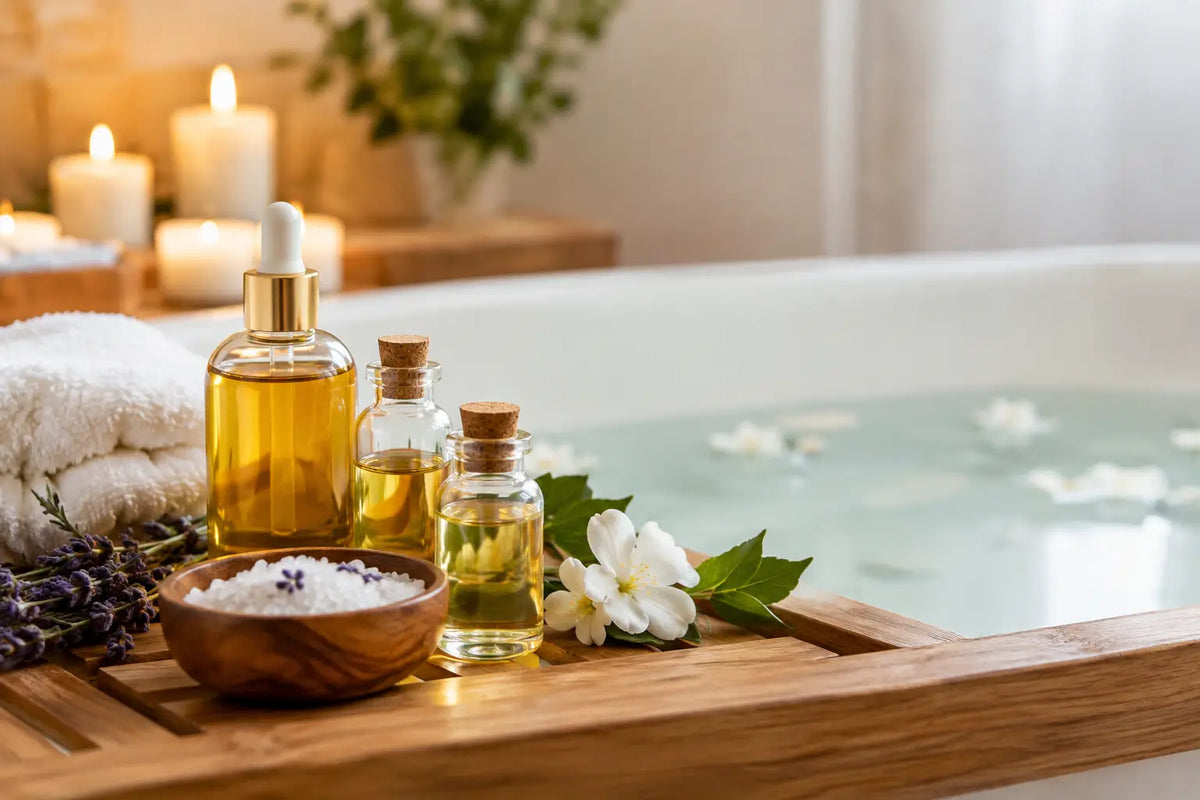
The appeal of a bath oil is that it can do several jobs at once: fragrance the water, soften the skin and signal that the day is shifting gears. You do not need candles, a tray of products and an hour of free time for it to work.
Try setting up one small repeatable cue. It might be putting your mobile in another room, changing into clean sleepwear after the bath, or using the same calming aroma each evening. Repetition helps the ritual feel familiar, which can be just as valuable as the ingredient list.
At Black Chicken Remedies, the focus is on wellness rituals that work with your body, not against it. That means choosing natural body care with purpose, listening to what your skin needs and making room for small practices you can actually maintain.
Ingredients and habits to approach with care
Be wary of bath oils that rely on a strong, vague fragrance without clearly explaining what is inside. If you have sensitive skin, terms such as parfum or fragrance can make it harder to identify potential triggers. Transparent formulas give you a better chance of choosing confidently.
Also consider the practical trade-off of oil in the tub. Botanical oils are beautiful for skin, but they can make surfaces slick. Rinse the bath after use and clean it regularly to prevent residue building up. If you share the bathroom with children or older family members, this small step is particularly important.
Finally, do not expect a bath oil to carry the entire burden of relaxation. It is a supportive tool, not a cure for persistent stress or sleep difficulties. If anxiety, low mood or insomnia is affecting daily life, professional support can make a meaningful difference alongside your home ritual.
A well-chosen bath oil gives you a simple place to begin: warm water, softened skin and a few uninterrupted minutes that belong only to you.