














The right scent can change the feel of an evening in minutes. A busy mind may not switch off on command, but a familiar aroma at the bedside, in the bath or during a slow skin ritual can become a powerful cue to pause. To choose calming essential oils well, look beyond a pretty fragrance and consider what you need from the ritual: deeper rest, a quieter workspace, a moment of decompression or gentle support for a sensitive home.
Essential oils are concentrated plant extracts, so quality, scent preference and safe use all matter. The most effective choice is often the one you genuinely want to reach for consistently - and that works comfortably with your body, your space and your routine.
How to choose calming essential oils for your needs
Start by naming the moment you want to support. “Calming” can mean different things depending on the hour and the person. A scent that feels grounding after a demanding day may be too rich for a morning meditation. A bright, botanical blend may feel refreshing in a home office but not quite soothing enough when you are ready for bed.
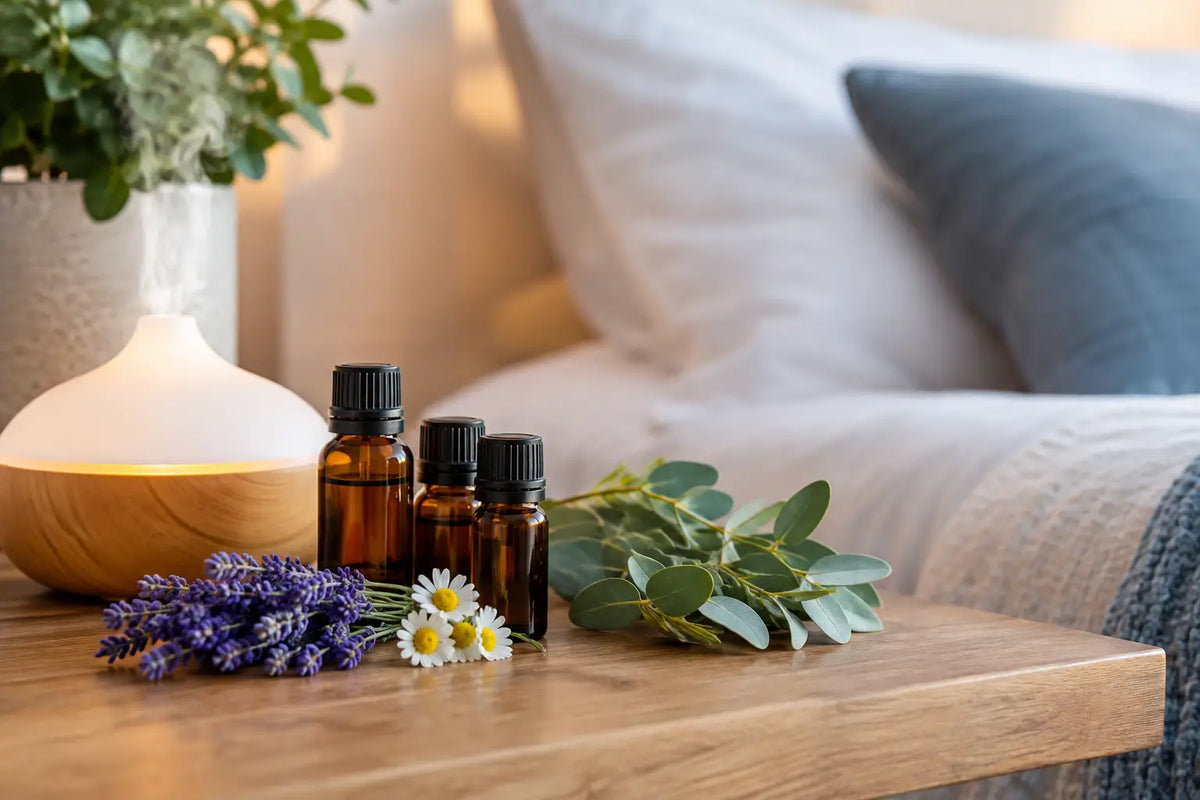
For sleep, look for soft florals, gentle herbaceous notes and warm woods. Lavender is a classic for good reason: its familiar, clean floral character is often associated with winding down. Roman chamomile has a sweeter, apple-like softness, while cedarwood brings a dry, grounding base note that can make a blend feel settled rather than sugary.
For a tense or overstimulating afternoon, try scents with a lighter lift. Bergamot has a sunny citrus-floral profile that can feel less sleepy than lavender, while frankincense offers a resinous, spacious quality that suits breathing exercises or a quiet reset between tasks. If you find floral oils too perfumed, woody and resinous notes may be a more natural fit.
The goal is not to find one universally “best” oil. It is to find a scent profile that makes your shoulders drop rather than one you tolerate because it is supposed to be relaxing.
Choose by scent family, not just a single oil
Single-note oils are useful when you know exactly what you love. They also give you more control if you enjoy creating your own diffuser combinations. Blends, however, can make a calming ritual feel more rounded. A good blend usually has a top note that welcomes you in, a heart note that defines the mood, and a deeper base note that gives the fragrance staying power.
If you are unsure where to begin, think in scent families. Floral and herbaceous oils tend to feel soft and comforting. Citrus notes feel clear and optimistic, although their brightness may be better for daytime than bedtime. Woods and resins feel earthy, quiet and anchored. A balanced blend might pair lavender with cedarwood, or bergamot with frankincense, so the aroma has both ease and depth.
Your associations count too. If lavender reminds you of a holiday, a loved one or freshly washed linen, it may become an especially effective part of your evening ritual. If it reminds you of a product you dislike, no ingredient list can make it your ideal calming scent.
Look for quality that supports a better ritual
A calming oil should smell clear, natural and true to the plant, not harsh, flat or overly sweet. Buy from brands that are open about botanical names, country of origin where possible, extraction methods and full ingredient information. This level of transparency helps you understand what you are bringing into your home and makes it easier to avoid ingredients that do not suit you.
Pure essential oils and pre-blended products serve different purposes. Pure oils are concentrated and versatile, but they require more care with dilution and application. Ready-made body oils, pulse-point products and inhalers offer convenience, particularly when they have been formulated with appropriate carrier oils and skin comfort in mind. They can be a practical choice for anyone who wants the sensory benefit without measuring drops at the end of a long day.
Price can be a clue, but it is not the whole story. Some botanicals are naturally more expensive to produce because of the amount of plant material required. More importantly, avoid products that make sweeping promises. Essential oils can support a peaceful ritual and help create a comforting atmosphere, but they are not a replacement for professional care when stress, anxiety or sleep difficulties are persistent or affecting daily life.
Respect sensitive skin and scent sensitivity
Natural ingredients deserve the same thoughtful approach as any active personal care ingredient. Essential oils can irritate skin, particularly when they are used undiluted, applied too often or layered with other fragranced products. If your skin is reactive, eczema-prone or recovering from irritation, choose products made for sensitive skin and keep your routine simple.
For topical use, always follow the product directions and patch test a new formula first. Avoid applying undiluted essential oils directly to skin. A properly formulated carrier oil helps spread the essential oil across the skin while reducing the intensity of direct contact. Keep oils away from eyes, lips and other delicate areas, and wash your hands after application.
A calming scent should not cause a headache, nausea, itchiness or a tight feeling in the chest. If it does, stop using it and air out the space. Stronger is not better. Often, one or two drops in a diffuser, or a small amount of a pre-diluted body oil, is enough to create a beautiful sensory cue.
Match the method to your everyday routine
The way you use an oil changes the experience. A diffuser is ideal for scenting a room before bed or setting a calmer tone while you read. Start with a brief session and a low number of drops, especially in a small bedroom. A diffuser should add atmosphere, not dominate the room.
For a more personal ritual, an essential oil inhaler is discreet and easy to keep in a handbag, bedside drawer or work bag. It is a useful choice if you live with others who prefer fragrance-free spaces, or if you want a quiet breathing pause without scenting the whole house.
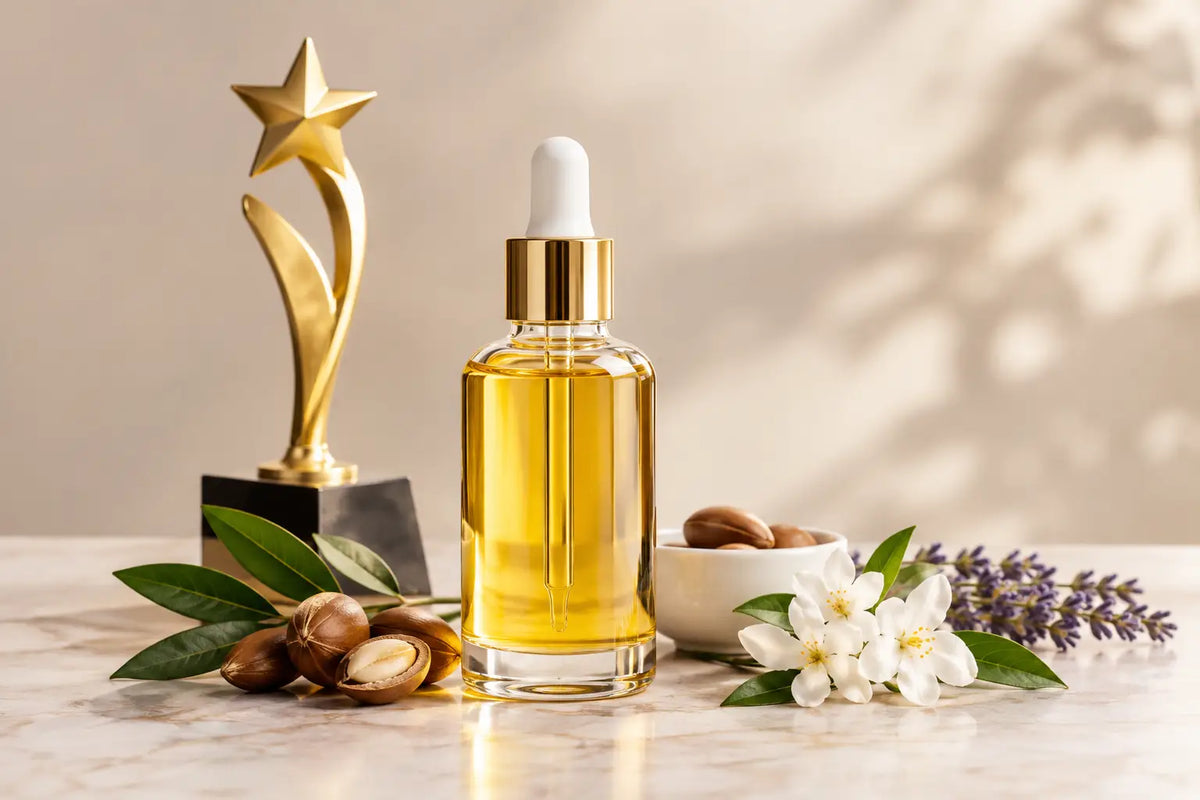
Body oils are well suited to post-shower care. Massaging a diluted aromatic oil into shoulders, feet or hands turns a necessary task into a slowing-down practice. The warmth of the skin carries the scent gently, while the massage itself encourages you to take a few unhurried minutes for yourself. Black Chicken Remedies mind-and-sleep rituals are designed around this kind of simple, sensory support - natural care that feels good to use and easy to return to.
A warm bath can be deeply comforting, but do not add undiluted essential oils straight to bathwater. Oil and water do not mix, which can leave concentrated droplets sitting on the skin. Use a product formulated for bathing, or first disperse the oil appropriately according to its directions.
Consider who shares your space
Your ideal calming oil also depends on your household. Babies, children, pregnant people, older adults, pets and people with asthma or allergies may need extra care around fragrance and essential oils. Some oils are unsuitable for children or animals, and even suitable oils should be used conservatively in shared rooms.
If you have pets, avoid diffusing oils in enclosed spaces and make sure they can leave the room. Keep all bottles securely stored out of reach of children and animals. During pregnancy, breastfeeding or when managing a health condition or medication, seek personalised guidance from a qualified health professional before using essential oils.
This does not mean your home has to be scent-free. It means choosing a lower-intensity method, using less product and paying attention to how everyone responds. An open window, a short diffuser session or a personal inhaler can be more considerate than fragrance running for hours.
Build a scent ritual you will actually keep
Calming essential oils work best when they are connected to a repeatable habit. Choose one small point in your day: applying body oil after a shower, putting an inhaler beside your laptop, or diffusing a gentle blend while you prepare for sleep. Repetition helps turn scent into a familiar signal that the next part of the day can be slower.
Keep the ritual realistic. You do not need a long bath, a perfect bedroom or a complicated blend to create a sense of ease. A few intentional breaths, a skin-softening oil and five minutes away from your mobile can be enough to make the evening feel less like another task to complete.
Let your nose lead, use each oil with care and give yourself permission to refine the ritual as your needs change. The most calming choice is the one that makes space for you to come back to yourself.