












Your skin does not need a harsher routine to feel cleaner. For many people, especially those with reactive faces, dry limbs or sensitive underarms, the most useful skin microbiome trends are moving personal care in the opposite direction: fewer unnecessary stressors, thoughtful ingredients and products designed to respect the skin’s natural balance.
The microbiome may sound like a beauty buzzword, but it refers to the diverse community of microorganisms that naturally live on your skin. Alongside your skin barrier, this ecosystem plays a role in how skin feels and responds to daily life. Sweat, friction, shaving, weather, strong cleansers and heavily fragranced products can all change the environment on the skin. That does not mean every flare-up is a microbiome problem. It does mean a more considered routine can be a sensible place to start.
Why skin microbiome trends are changing routines
For years, skincare messaging focused on stripping away oil, odour and every trace of bacteria. Cleanliness still matters, of course. But skin is not meant to be sterile. The current shift is towards supporting the conditions that help skin stay comfortable, rather than treating all microbes as the enemy.
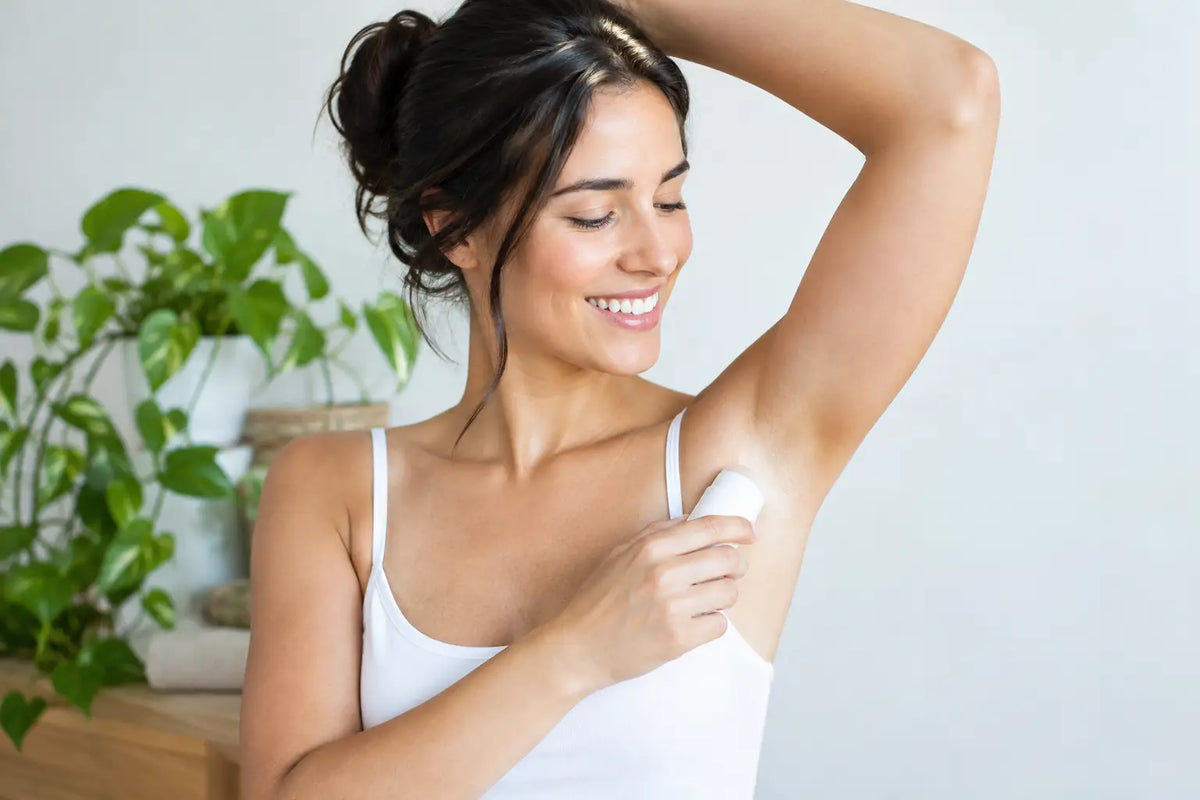
This is particularly relevant under the arms. Sweat itself is largely odourless, while odour develops when naturally occurring bacteria break down components in sweat. An effective natural deodorant does not need to stop your body from functioning. It can help manage odour while allowing perspiration, one of the body’s normal cooling processes, to occur.
The smarter question is not, “How do I eliminate everything?” It is, “What helps my skin feel balanced and protected over time?” The answer will depend on your skin, your climate, how often you shave and the products already in your bathroom cabinet.
Barrier-first skincare is becoming the baseline
The outermost layer of skin is often described as the barrier. Think of it as the protective surface that helps hold moisture in and keeps common irritants out. When it is disrupted, skin may feel tight, rough, itchy or more easily irritated.
Barrier-first routines favour gentle cleansing, measured exfoliation and moisturising ingredients that leave skin feeling soft rather than squeaky-clean. This is not about avoiding all active ingredients. Exfoliants, vitamin A derivatives and treatment products can have a place. The trend is to use them with more intention, rather than layering multiple strong products and hoping for faster results.
For a sensitive complexion, that might mean cleansing once at night and choosing a nourishing facial oil or moisturiser afterwards. For the body, it can look like swapping a drying wash for a gentle cleansing ritual, then applying oil or cream while skin is still slightly damp. Small changes can make a noticeable difference to comfort.
Prebiotics, postbiotics and ferments need plain-English scrutiny
Prebiotic, probiotic, postbiotic and fermented skincare are appearing across beauty shelves. These terms are related, but they are not interchangeable, and the science behind finished cosmetic products is still developing.
Prebiotics are ingredients intended to support beneficial microorganisms. Postbiotics are compounds associated with microbial activity, while probiotics generally refer to live microorganisms. In a skincare formula, stability, preservation and the concentration of an ingredient all matter. A product with a microbiome-focused label is not automatically the right choice for every skin type.
Look beyond the front-of-pack language. Consider whether the full formula suits your needs, especially if you are prone to redness, breakouts or contact sensitivity. A simple, well-formulated product you use consistently is often more valuable than an elaborate routine built around the latest claim.
Deodorant is becoming more skin-conscious
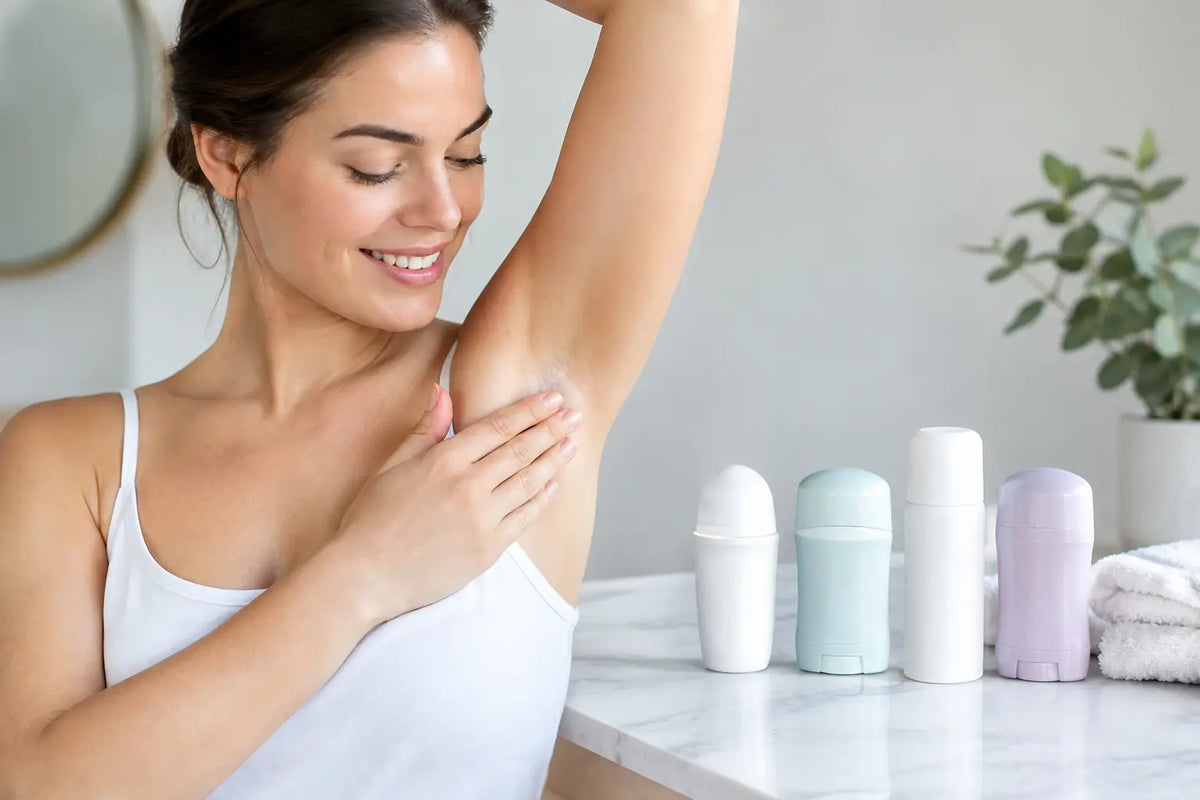
Natural deodorant has matured well beyond the idea that you have to compromise on performance. One of the strongest personal care trends is the expectation that deodorant should offer reliable odour protection while also caring for sensitive underarms.
This matters because underarm skin is exposed to plenty: rubbing from clothing, hair removal, heat, exercise and repeated product application. Some people tolerate bicarbonate soda beautifully; others find it causes discomfort over time. Others may react to fragrance or essential oils, even when a product is natural. There is no single ingredient rule that works for everyone.
A skin-conscious deodorant routine starts with dry, clean underarms and a formula that feels comfortable after a week, not only after the first application. If you are changing from an antiperspirant to a natural deodorant, give your skin and routine a little time to adjust. You may notice more wetness because natural deodorants do not usually block sweat in the way antiperspirants do. That is not a failure of the product. It is a different approach to managing body odour.
Microbiome claims are becoming more accountable
The most welcome trend is not a new ingredient. It is greater care around claims. Skin microbiome research is complex, and individual skin environments differ across the face, scalp, body and underarms. A broad promise to “rebalance” every microbiome is not especially meaningful without context.
Look for brands that speak clearly about what a product is designed to do: cleanse gently, support hydration, reduce the feeling of dryness, or provide long-lasting odour protection. These are useful, real-world benefits. Be wary of products positioned as a cure for persistent skin concerns. If you have ongoing rashes, painful breakouts, cracked skin or suspected infection, a GP or dermatologist is the right next step.
How to build a microbiome-conscious routine
You do not need to replace every product at once. In fact, changing everything together makes it harder to tell what your skin likes. Start by identifying the point of friction. Is your face tight after cleansing? Do your underarms sting after shaving? Does your body skin feel dry despite applying moisturiser?
Then simplify. Use lukewarm rather than very hot water, avoid scrubbing skin until it feels raw, and introduce one new product at a time. Give it at least a couple of weeks where practical, unless discomfort develops. Patch testing is worthwhile when trying a new formula, particularly if your skin has reacted before.
A practical routine can be wonderfully uncomplicated. Cleanse without over-cleansing. Moisturise regularly. Exfoliate only as often as your skin comfortably tolerates. Choose deodorant based on both odour protection and how your underarms feel at the end of the day. Wash makeup brushes, pillowcases and workout clothing regularly, but resist the urge to sanitise every surface of your body.
Your environment counts, too. Australian summers can mean more sweat, sunscreen, saltwater and frequent showers. Winter can bring dry indoor air and a compromised barrier. It makes sense for your routine to change with the season. A lighter body oil may feel ideal in humid weather, while a richer moisturising ritual may be more comfortable when the air turns cool and dry.
What to look for before trying a trend
Microbiome-friendly is most useful as a mindset, not a shopping category. Ask whether a product is appropriate for your skin type, whether the ingredient list is transparent and whether the brand avoids exaggerated medical claims. Consider the package as well. Refill options and products you will genuinely finish can support a lower-waste self-care routine without creating clutter in the bathroom.
At Black Chicken Remedies, this approach aligns naturally with wellness rituals that work with your body - not against it. High-performance natural care should still feel considered, comfortable and easy to use every day.
The goal is not perfect skin or a perfectly engineered microbiome. It is skin that feels calm, cared for and able to do its job. Let that be the measure when a new trend reaches your feed.