













A sleep balm earns its place on the bedside table when it turns the last few minutes of the day into a clear signal to slow down. Thoughtful sleep balm application is less about using lots of product and more about creating a small, repeatable ritual that feels comforting on the skin and calming in the mind.
A balm is designed to be warmed between the fingertips, then massaged into selected pulse points or dry areas of skin. Its rich, protective texture lingers longer than a mist or oil, making it a particularly lovely option for evenings when you want a little more sensory comfort before bed.
Why the way you apply sleep balm matters
A well-made sleep balm is concentrated. A small amount can carry a noticeable natural aroma while softening the skin, so applying too much is rarely necessary. Using a light touch also lets the fragrance sit close to you rather than filling the entire room.
The massage itself matters, too. Taking 30 seconds to rub balm into your wrists, temples or feet creates a pause between the pace of the day and the quiet you want to bring into bedtime. It is a simple wellness ritual that works with your body, not against it.
There is no one perfect routine. Some people prefer a balm immediately after an evening shower, while others use it only once they are in bed with the lights low. The best timing is the one you will actually repeat.
Sleep balm application: where to apply it
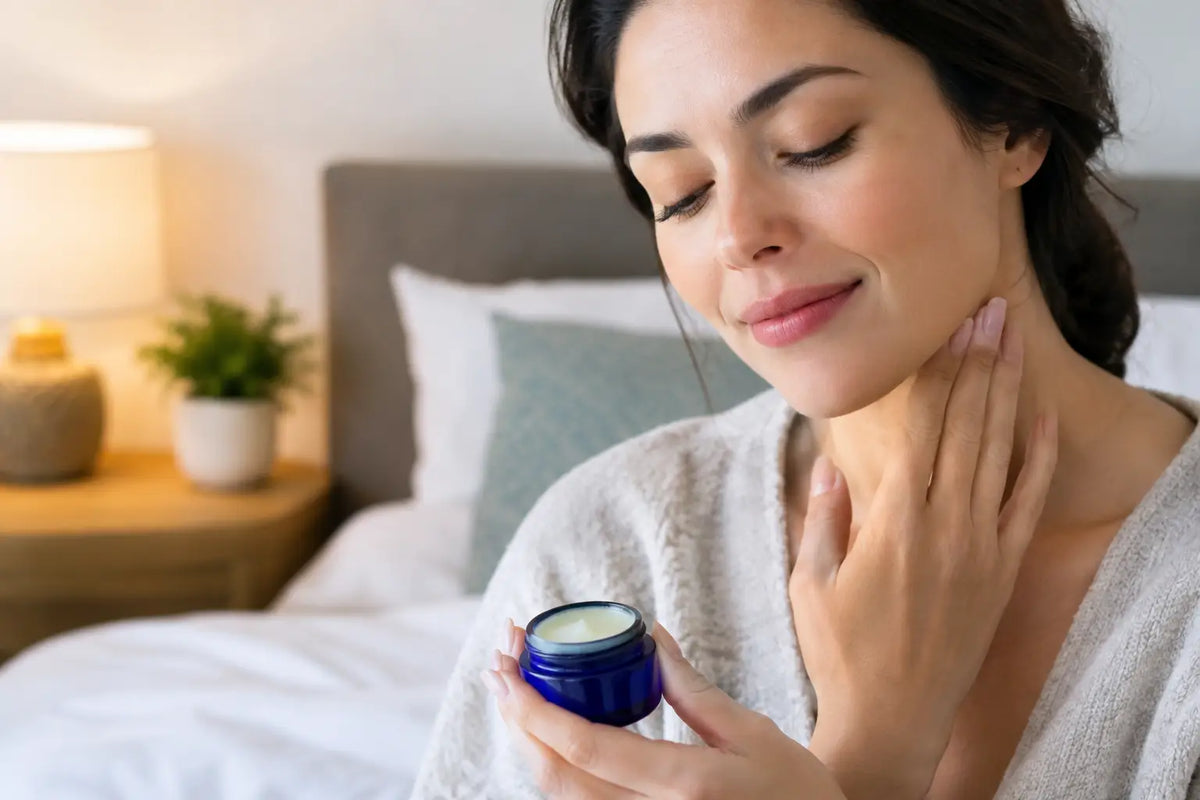
Start with clean, dry skin. Scoop out a pea-sized amount with clean fingers, then warm it between your fingertips until it softens. Press and massage it into one or two areas rather than applying it everywhere at once.
Wrists and inner arms
The wrists are an easy place to begin because they are accessible and close enough to catch the scent naturally as you settle in. Massage a small amount into the inside of each wrist, then glide any remaining balm along the inner forearms.
Avoid rubbing your wrists together aggressively. Gentle pressing is enough and helps keep the ritual slow rather than rushed.
Temples and behind the ears
For a closer, more personal application, use the faintest trace of balm at the temples or behind the ears. Keep the product well away from the eyes, eyelids and hairline. The skin in this area can be more delicate, so a light application is particularly important.
If you are prone to sensitivity, begin with the wrists instead. You can always add another application point on a different evening once you know how your skin responds.
Chest and décolletage
Applying balm to the upper chest can feel especially grounding when you are taking a few slow breaths before sleep. Use a small amount over the sternum or collarbone area, particularly after a shower when skin may feel dry.
This is also a good option if you prefer not to touch your face at night or wear a sleep mask. Let the scent stay lower and softer, rather than placing it near your eyes.
Feet and hands
Dry hands and feet benefit from a balm’s richer texture, and both areas suit an unhurried massage. Work a little balm into the soles of your feet, heels or cuticles, then slip on soft cotton socks if you want to keep the finish off your sheets.
Foot application is ideal for anyone who enjoys a more tactile wind-down ritual. It can be particularly welcome after a long day on your feet, though it is best to let the balm absorb before walking around on smooth floors.
How much sleep balm should you use?
Less is usually more. Start with an amount no larger than a pea for the whole routine. If you are applying to only your wrists or temples, use roughly half that amount.
The right amount should leave your skin feeling nourished, not slippery or overly coated. If the balm transfers heavily to bedding or feels too intense in scent, reduce the amount the following night. A quality balm is intended to be used mindfully, not layered on.
Warm weather can also change what feels comfortable. During an Australian summer, a lighter application to wrists or feet may be all you need. In cooler months, when skin is drier and evenings invite a slower routine, you may enjoy using a touch more on hands, chest or heels.
Build a bedtime ritual around the balm
Sleep balm works best as part of a consistent cue, not as a demand that you must fall asleep immediately. A calm routine gives your mind a familiar sequence to recognise: screens down, face cleansed, lights softened, balm applied, then bed.
Keep the ritual realistic. If you have a busy household, young children or late work nights, even one minute can be enough. Apply the balm after brushing your teeth, take three steady breaths, and leave your mobile outside the bedroom or on charge across the room where possible.
For more spacious evenings, pair your balm with a warm shower, a few gentle stretches or a quiet cup of caffeine-free herbal tea. The aim is not to create a complicated checklist. It is to make rest feel easier to arrive at.
Sensitive skin and sleep balm use
Natural ingredients can still be active on sensitive skin, especially when a formula contains aromatic botanical extracts or essential oils. Always read the product directions and ingredient list, and patch test before your first full application.
To patch test, apply a tiny amount to the inner arm and wait 24 hours. If you notice redness, itching, burning or discomfort, wash the area with mild cleanser and stop using the product. Do not apply balm to broken, irritated or freshly shaved skin.
It is also wise to keep sleep balm away from the eyes, lips and nostrils unless the product instructions specifically say otherwise. Balm is for external use, and a small amount on the skin is more than enough to enjoy its comforting finish.
If you are pregnant, breastfeeding, managing a health condition, or choosing a balm for a child, check the label carefully and seek advice from a qualified health professional where needed. Individual needs matter more than a one-size-fits-all routine.
Common sleep balm application mistakes
The most common mistake is treating a sleep balm like body moisturiser. Because balms are concentrated and occlusive, a thick layer can feel heavy, stain fabric or make the aroma more present than you would like at bedtime.
Another is applying it at the very last second while still scrolling, working or rushing around the house. Give yourself a brief pause after application. Even a minute of stillness helps turn the product from another task into a meaningful transition.
Finally, do not judge a bedtime ritual after one night. Some evenings will still be restless, particularly during stressful periods, travel, illness or a hot night. The value is in the repeated act of caring for yourself, not in chasing a perfect night’s sleep.
A small jar of sleep balm can become a gentle boundary at the end of the day: a moment to soften your skin, breathe more slowly and remind yourself that rest is worth making room for.