












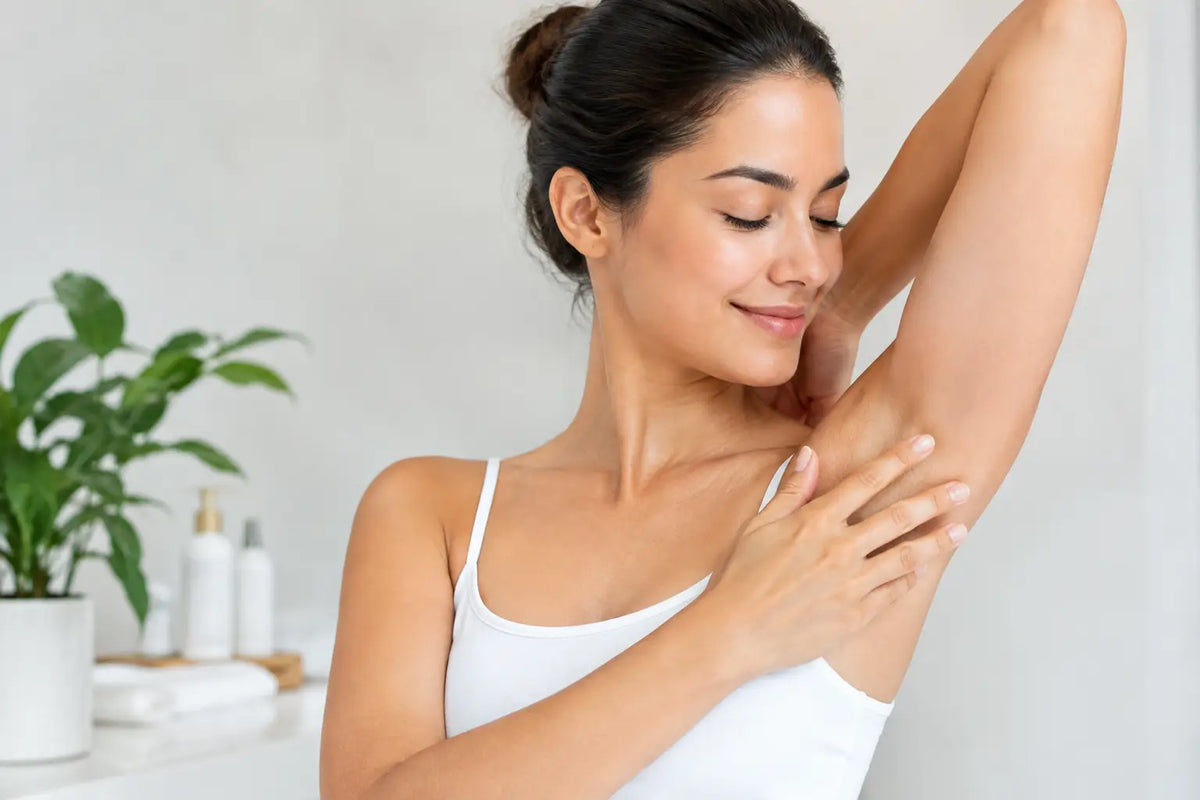
Your underarms work hard in a small, high-friction space. They sweat, rub against clothing, face regular hair removal and come into contact with deodorant every day. This guide to underarm skin balance starts with a simple shift: treat this area as skin first, not just a place to fight odour.
When underarms feel comfortable, dry enough and free from ongoing irritation, your deodorant routine tends to work better too. The goal is not to stop your body doing its job. It is to support fresh-feeling, resilient skin with a ritual that works with your body - not against it.
What underarm skin balance really means
Balanced underarm skin is not perfectly dry or completely scent-free. Sweat is a normal part of temperature regulation, and a little moisture is not a sign that your routine has failed. Odour develops when naturally occurring bacteria interact with sweat, particularly in warm, enclosed areas such as the underarms.
Skin balance is the sweet spot between protection and comfort. Your skin barrier stays supported, the area is not constantly stripped or inflamed, and your deodorant helps manage odour without leaving your underarms tight, itchy or sore.
It can take a little patience to find this balance. Your skin may react differently depending on the weather, stress, hormones, exercise, clothing, shaving habits and the products you use. A humid summer day in Sydney calls for a different level of support than a quiet winter day at home.
Start with the skin barrier
Your skin barrier is its protective outer layer. When it is in good shape, it helps keep moisture in and potential irritants out. Underarms can become unsettled when that barrier is repeatedly challenged by harsh cleansing, vigorous scrubbing, fragranced products, friction or hair removal.
If your underarms sting when you apply deodorant, feel rough, look red or develop recurring dry patches, simplifying your routine is often the best first move. Wash with lukewarm water and a gentle cleanser, then pat the area dry rather than rubbing with a towel. Give freshly shaved skin time to settle before applying a deodorant, especially if you know you are prone to sensitivity.
A smooth, comfortable underarm is not created by scrubbing harder. Over-exfoliation can leave the area more reactive and make everyday deodorant feel uncomfortable. If you choose to exfoliate, keep it gentle and occasional. Avoid exfoliating immediately before or after shaving, when the skin is already more vulnerable.
Shaving, waxing and friction matter
Hair removal is one of the most common reasons an otherwise reliable deodorant suddenly feels irritating. Shaving can create tiny nicks and increase sensitivity, while waxing may leave skin temporarily tender. Tight activewear and synthetic fabrics can add friction, trap heat and hold moisture close to the skin.
For a calmer routine, use a clean, sharp razor with slip from a suitable shaving product, then rinse thoroughly. On hair-removal days, you may prefer to apply deodorant later, once your underarms are fully dry and comfortable. Breathable fabrics and a clean change of clothes after a workout can also make a noticeable difference to freshness.
Choose deodorant based on your underarms, not the hype
A deodorant and an antiperspirant do different jobs. Deodorant is designed to manage body odour. Antiperspirant is designed to reduce sweating, usually with aluminium salts. Neither choice is universally right or wrong. It depends on whether your priority is odour support, wetness reduction, ingredient preferences, skin sensitivity or a combination of these.
If you are moving to a natural deodorant, give your skin and routine a fair adjustment period. It is common to notice that application technique matters more than expected. Natural formulas are generally most comfortable and effective when applied to clean, completely dry underarms. A little goes a long way, particularly with balm formats.
Look for a formula that matches your skin's needs. Some people enjoy the extra odour support of bicarbonate soda, while others find it too active for sensitive underarms. If you have experienced redness, itching or a rash with deodorant before, a bicarbonate-free option may be the more comfortable place to start. Fragrance can also be a factor, so pay attention to how your skin responds rather than assuming a natural scent will suit everyone.
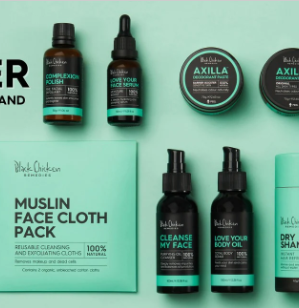
Black Chicken Remedies' Axilla range is designed to offer high-performance odour protection while giving sensitive underarms considered options, including bicarbonate-free formulas. The best choice is the one you can use consistently and comfortably.
Your guide to underarm skin balance: a simple daily ritual
A good underarm routine does not need a long shelf of products. Consistency, gentle application and a formula that suits your skin will do more than constantly switching products.
In the morning, cleanse if needed, then make sure your underarms are fully dry before applying deodorant. Warm a balm briefly between clean fingers if required and use a small amount. Applying more product does not necessarily mean more protection. It can create buildup on the skin or clothing and make the area feel heavy.
After exercise, rinse or shower when practical and change out of damp clothing. If you need to reapply deodorant, begin with clean, dry skin. Layering product over sweat, old deodorant and moisture can dull the fresh feeling you are after.
At night, consider leaving your underarms product-free if they are feeling sensitive or congested. This is not a rule you need to follow every evening. It is simply a useful reset when your skin needs less. Keep the rest of your body routine gentle too, because strongly fragranced body washes, spray products and laundry residue can all affect this delicate area.
When your routine needs adjusting
A little trial and error is normal, but persistent discomfort is a sign to pause. Stop using a product if you develop burning, swelling, a painful rash or broken skin. Return to a minimal routine until the area feels calm, and seek advice from a pharmacist, GP or dermatologist if symptoms are severe, ongoing or keep returning.
Consider adjusting one variable at a time. Change your deodorant formula, reduce exfoliation, alter when you shave or choose a looser top for a few days. If you change everything at once, it is hard to know what helped or what caused the reaction.
Odour can also fluctuate for reasons that have nothing to do with the quality of your deodorant. Stressful weeks, a change in exercise, hot weather, certain foods and hormonal shifts can all play a part. That does not mean you need to strip your skin or keep reapplying product. Often, a clean reset and a dependable formula are enough.
Small habits that protect comfort
Underarm care is closely tied to the rest of your daily rhythm. Clean towels, regularly washed bras and workout gear, and breathable fabrics can reduce the mix of sweat, bacteria and friction that contributes to discomfort. If you use a body oil or moisturiser, allow it to absorb fully and avoid applying it directly where deodorant needs to grip the skin.
Be wary of quick fixes that promise to detox or deeply purge your underarms. Your body already has systems for processing and eliminating waste. What your underarm skin usually needs is not an aggressive cleanse, but fewer irritants, steady care and time to settle.
Comfort is a useful benchmark. When your underarms feel calm, your deodorant lasts through the moments that matter, and your ritual fits easily into real life, you have found a balance worth keeping.