












That last-minute white streak across a black top can make getting dressed feel needlessly stressful. Effective deodorant stain prevention is less about avoiding deodorant altogether and more about choosing a formula that suits your skin and fabrics, then applying it with care.
Underarm marks can come from several places: product residue, excess perspiration, body oils and the interaction between aluminium-based antiperspirant ingredients and sweat. The good news is that a few small shifts can help your clothes stay fresher, while your underarms still receive the odour protection they need.
Why deodorant marks happen
White marks are usually the easiest to recognise. They occur when a cream, balm, stick or spray transfers from your underarm to fabric before it has settled. Dark clothing makes this especially obvious, while fitted sleeves and close-cut tops are more likely to brush against the skin as you dress.
Yellow marks are more complex. On pale shirts, they are often associated with aluminium salts found in antiperspirants reacting with perspiration and residues left in fabric over time. Sweat itself is colourless, but once it mixes with natural skin oils, bacteria, product and laundry build-up, it can leave a stubborn discolouration.
Natural deodorants work differently from antiperspirants. They are designed to support odour control rather than block perspiration, which is a normal body function. That can be a better fit for sensitive underarms, but natural formulas can still leave marks if too much product is applied or if rich oils and butters transfer directly to clothing. The right amount matters as much as the ingredient list.
Deodorant stain prevention starts with application
A high-performing deodorant should feel like a simple part of your morning, not another thing to manage. The most reliable approach is to apply a small amount to clean, completely dry underarms. Moisture from a rushed post-shower routine can prevent a balm or cream from adhering evenly to the skin, increasing the chance of transfer.
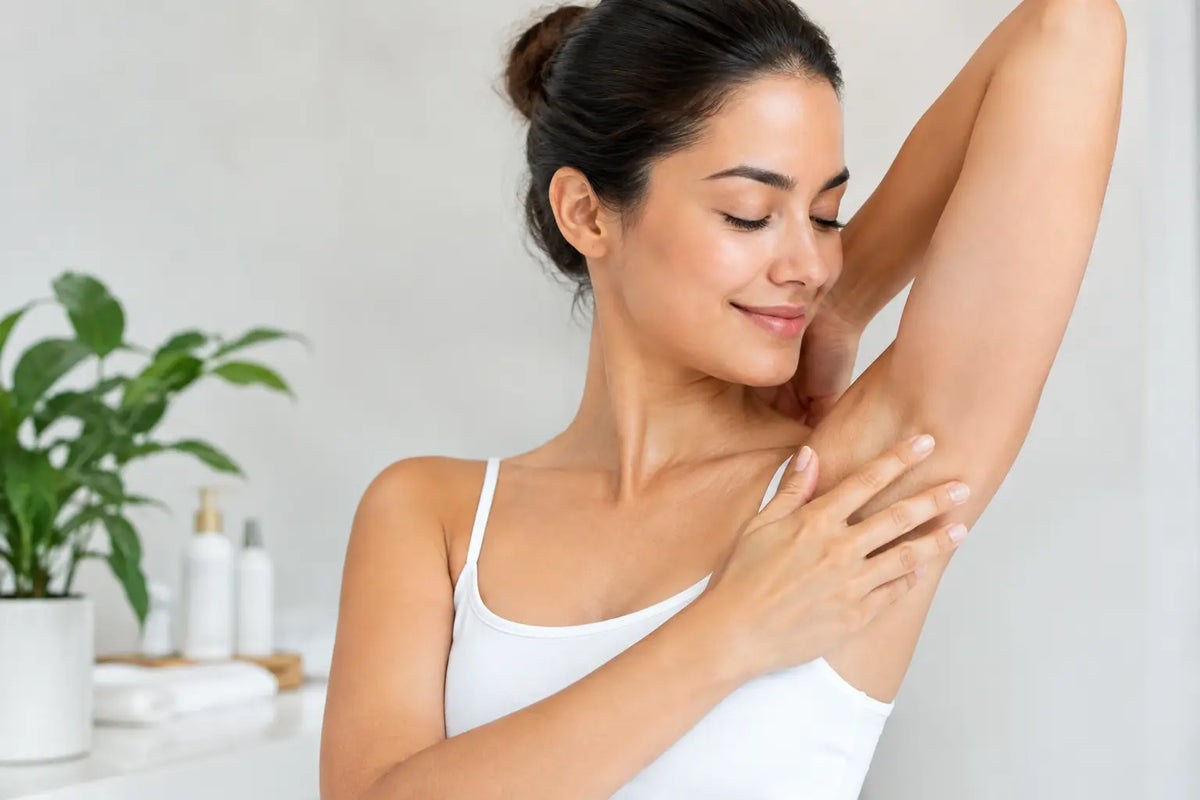
With a paste or balm, begin with roughly a pea-sized amount per underarm, then warm it between clean fingertips before applying. Massage it in until the skin feels comfortable rather than coated. If you can see a white layer or feel product sitting on the surface, there is probably more than you need.
Give your deodorant a minute or two to settle before pulling on a fitted tee, silk blouse or dark dress. It is a small pause that can save a favourite outfit. If you dress before application, use your palm to hold the neckline or sleeve away from your underarm while you apply, then wash your hands before touching fabric.
Adjust for your day, not just the weather
On a humid summer morning, after a gym session or before a long commute, it can be tempting to apply extra product. More does not always equal better protection. A thin, even layer is usually more effective and far less likely to transfer than a thick one.
If you need to freshen up, gently wipe away perspiration first with a damp cloth or tissue, allow the area to dry, then reapply sparingly. Layering deodorant over damp skin and existing product is one of the quickest ways to create residue on clothes.
Choose a formula that respects skin and fabric
If you regularly wear black, navy or charcoal, look for a deodorant that absorbs well and is formulated for comfortable daily use. Powders such as bicarbonate soda and clay can be helpful in deodorant formulas, but visible residue may be more noticeable if they are applied heavily. A gentle hand is particularly useful with any cream-based natural deodorant.
For white shirts and light linen, consider whether your current antiperspirant is contributing to repeated yellowing. Switching to an aluminium-free deodorant may reduce one common cause of underarm staining, though it is not a guarantee. Your perspiration level, the fabric, your washing routine and the amount of product used all play a part.
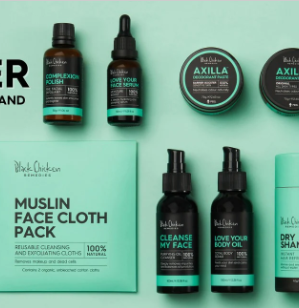
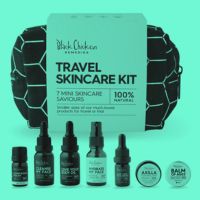
Sensitive skin deserves its own consideration. Friction, shaving and harsh formulas can leave underarms reactive, and irritated skin often makes people apply products unevenly or repeatedly. Choose a formula that feels soothing and dependable, rather than one that stings or leaves your skin tight. Black Chicken Remedies' Axilla range is designed to offer natural odour protection with sensitive underarms in mind, so your everyday ritual can feel both effective and considered.
Fabrics make a difference
Natural fibres such as cotton and linen are breathable, but they can hold onto oils and product residue if washed at low temperatures without enough detergent. Synthetic activewear is excellent at moving moisture away from the body, yet it can trap odour-causing bacteria in its fibres. Neither fabric is wrong - they simply need different care.
Loose, breathable garments can reduce friction and give deodorant time to settle. If you know you are wearing a fitted black top, choose a lighter application and get dressed slowly. For special occasion clothing, particularly silk, wool or delicate blends, apply deodorant well before dressing and follow the garment care label closely if a mark appears.
It also helps to avoid repeatedly wearing an unwashed top. Even when it looks clean, invisible product, oils and sweat can build up in the underarm area. The next wear can then bring those residues to the surface, making a new stain look worse than it is.
Treat marks before they become set stains
A fresh deodorant streak on dark clothing is usually simple to handle. First, let the product dry if it is still wet, then use a clean, dry microfibre cloth or the inside of the garment to gently lift the residue. Rubbing aggressively can push oils further into the fibres or leave a visible patch.
For yellowing or underarm build-up, treat the area before washing rather than relying on a standard cycle alone. Apply a laundry pre-treatment suited to the fabric, leave it for the recommended time and wash according to the care label. An oxygen-based stain remover can be useful for many washable whites and pale fabrics, but always patch-test first and avoid using anything that conflicts with garment instructions.
Do not put a stained item in the dryer until you are happy with the result. Heat can set remaining residue, making it harder to remove later. If the mark is still visible, repeat the treatment or consider professional cleaning for delicate pieces.
A small routine with a noticeable payoff
The best deodorant stain prevention routine is not complicated: start with dry skin, use less than you think, allow the product to settle and wash clothing before residue has time to build up. These habits support fresh clothes without asking you to compromise on the comfort, confidence or natural performance you want from your deodorant.
Your underarms and wardrobe do not need competing routines. Give both a little extra care in the morning, and your favourite clothes can stay ready for whatever the day brings.