












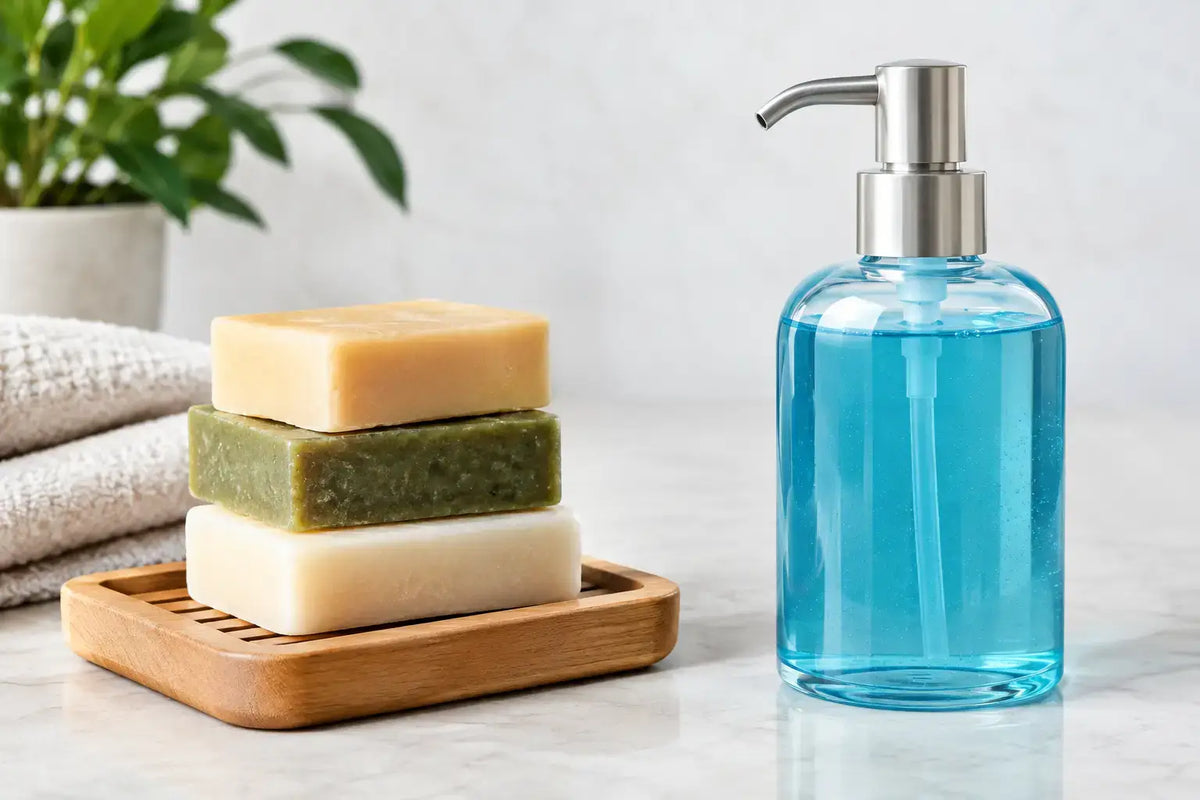
A soap dispenser can feel like the easy default, while a bar beside the basin may look like a simpler, lower-waste choice. But soap bars versus liquid soap is not a question with one winner. The right cleanser is the one your skin enjoys using every day, fits your routine and delivers that clean, comfortable feeling without leaving your hands or body tight, dry or irritated.
For sensitive skin, the format matters less than the formula. A beautifully made bar can be nourishing and effective; a well-formulated liquid can make everyday cleansing feel gentle and considered. Here is how to choose with your skin, household and wellness rituals in mind.
Soap Bars Versus Liquid Soap: The Real Difference
The first distinction is easy to miss: not every solid cleanser is technically soap, and not every pump bottle contains traditional liquid soap. Traditional soap is made by combining oils or fats with an alkali. It cleans well, but its naturally higher pH can feel drying for some skin types, particularly with frequent hand washing.
Many modern liquid hand and body washes use gentle cleansing agents instead. Some solid cleansing bars do too. Often called syndet bars, these are formulated to cleanse at a pH that can be closer to the skin’s natural protective acid mantle. This is why the ingredient list and intended use deserve more attention than the shape of the product.
A bar designed for hands may be perfectly suitable at the basin but too cleansing for dry facial skin. Likewise, a fragranced liquid body wash can be a pleasure to use, yet may not suit reactive skin. Look for a clear purpose, considered ingredients and a formula that leaves your skin feeling clean rather than stripped.
What Your Skin Is Telling You
Your skin provides useful feedback within days of changing a cleanser. If your hands feel rough after washing, your shins become flaky after a shower, or your skin stings when you apply moisturiser, your cleanser may be too harsh for your current skin condition or washing frequency.
A gentle cleanser should remove sweat, daily build-up and excess oil without disrupting your skin’s comfort. For dry, mature or sensitive skin, choose formulas with skin-conditioning oils, humectants such as glycerine, and a modest fragrance profile. Essential oils can be a lovely part of a sensory ritual, but they are not automatically suitable for every person. If your skin is reactive, a simpler formula is often the more reassuring choice.
Bar soap can work beautifully for normal or oilier body skin, especially when it is made with quality plant oils and stored properly between uses. Liquid cleansers can be easier to dose and may feel more comfortable for people who wash their hands often, have limited mobility, or prefer a richer gel or cream texture.
The season changes the equation too. A bar that feels perfect through a humid Australian summer may need to be followed by body oil or moisturiser in winter. There is no failure in using different formats in different rooms, or changing your cleanser as your skin changes.
Face, body and hands need different things
The skin on your face is generally more exposed and more prone to concerns such as dehydration, congestion and sensitivity. It benefits from a cleanser made specifically for facial skin rather than a general soap bar. Your body can often tolerate a broader range of formulas, while hands need extra consideration because frequent washing, sanitiser and household tasks can compromise the skin barrier.
For hands, the best choice is the cleanser you will use consistently, followed by a nourishing hand cream. For the face, prioritise a gentle, purpose-made cleanse. For the body, let comfort, ingredient preferences and your bathing ritual guide you.
Is Bar Soap Less Hygienic?
A bar sitting on a wet dish can look less hygienic than a sealed pump, but normal use does not make a soap bar inherently unhygienic. Soap works by helping lift oils and microbes from the skin so they can be rinsed away. The practical concern is not the bar itself - it is leaving any cleanser in standing water or sharing it in a way that does not suit your household.
Keep bars on a well-draining dish so they can dry between uses. Avoid storing them in a puddle at the shower floor or basin edge, where they become soft and disappear quickly. A liquid pump can be a sensible option for a busy family bathroom, a workplace, or anyone who prefers not to share a bar. Both formats can support good hygiene when used and stored well.
Packaging, Water and Everyday Waste
Solid bars are often chosen for their lower packaging footprint. They usually contain less water than liquid cleansers and can be sold with minimal packaging. They are also compact, travel-friendly and less likely to leak into your toiletry bag.
Liquid soap still has a place, especially when a pump format makes washing easier or encourages better hand hygiene. The more thoughtful choice is to consider the whole lifecycle: how much product you use, whether the packaging is refillable or recyclable in your local area, and whether you finish the product before replacing it. A generously sized bar that turns to mush in a wet shower is not automatically lower waste than a liquid refill you use carefully.
Refill systems can make liquid cleansing a more considered option by reducing the number of new pumps and bottles entering your bathroom routine. At Black Chicken Remedies, refill-focused options are designed to support everyday rituals with less unnecessary packaging, without asking you to compromise on the sensory experience.
How to Choose the Best Format for Your Routine
Start with how and where you will use it. A bar is ideal if you enjoy a pared-back bathroom, travel regularly, want less packaging or prefer the tactile ritual of working up a lather in your hands. Choose a firm bar and give it drainage, and it should last well.
A liquid cleanser may suit you better if you have very dry or sensitive hands, wash frequently, share a bathroom with children, or enjoy an easy, controlled dose. A pump also works well near the kitchen sink, where greasy hands benefit from a quick, fuss-free wash.
Then assess the formulation rather than relying on words such as natural, botanical or clean alone. Those terms can be helpful signposts, but they do not guarantee a formula will suit your skin. Look for a transparent ingredient list, an intended use that matches yours and a product that does not rely on an overpowering scent to feel effective.
If you are unsure, bring both into your routine. Use a bar for body cleansing and a liquid wash for hands. Keep a gentle facial cleanser separate. This approach lets each product do its job and creates a more tailored ritual without overcomplicating your bathroom shelf.
Make Cleansing Feel Better, Not Harsher
The way you cleanse can matter as much as what you use. Use lukewarm rather than very hot water, especially in winter. Hot water can leave skin feeling more depleted, even when your cleanser is gentle. Lather briefly, rinse thoroughly and pat skin dry instead of rubbing it with a towel.
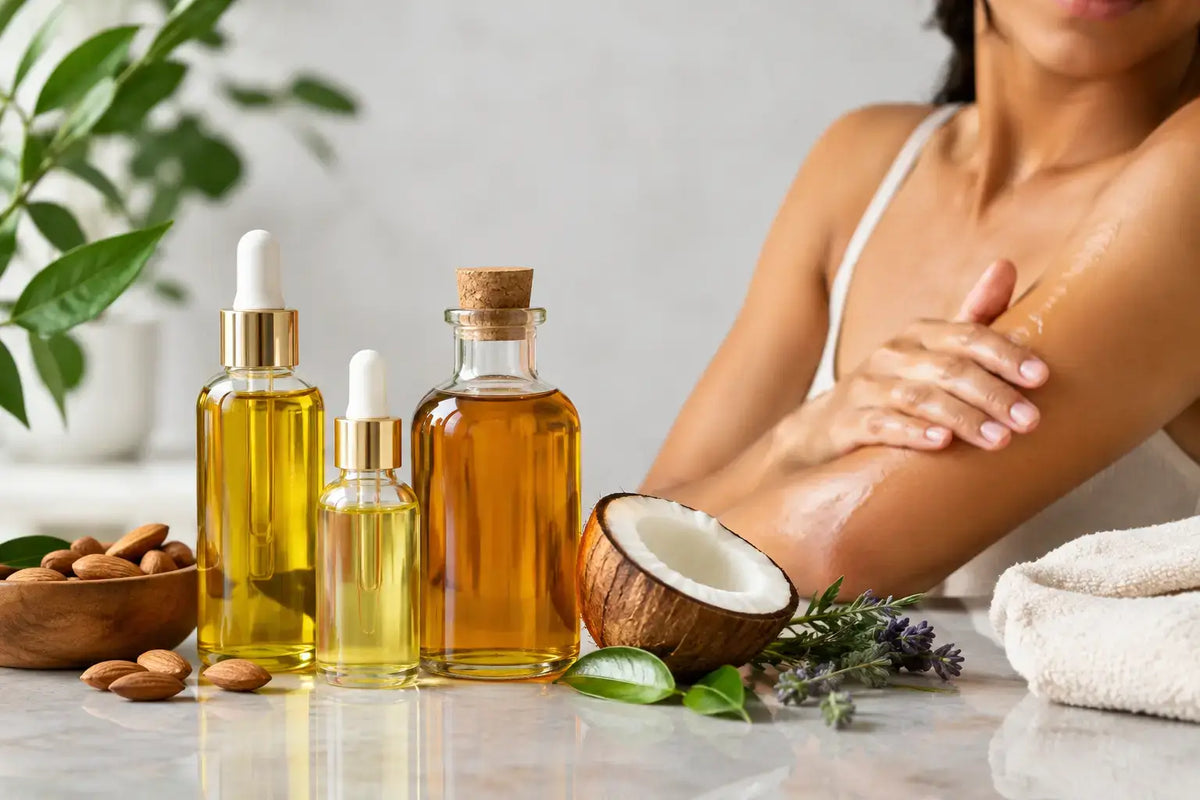
Apply moisturiser or body oil while skin is still slightly damp to help hold onto that just-showered comfort. If you use deodorant after showering, make sure underarms are fully dry first. This creates a more comfortable base for your chosen formula and helps turn a rushed task into a small act of care.
Your best cleanser does not need to win a debate between bars and bottles. It simply needs to support clean, comfortable skin and a ritual you look forward to repeating.