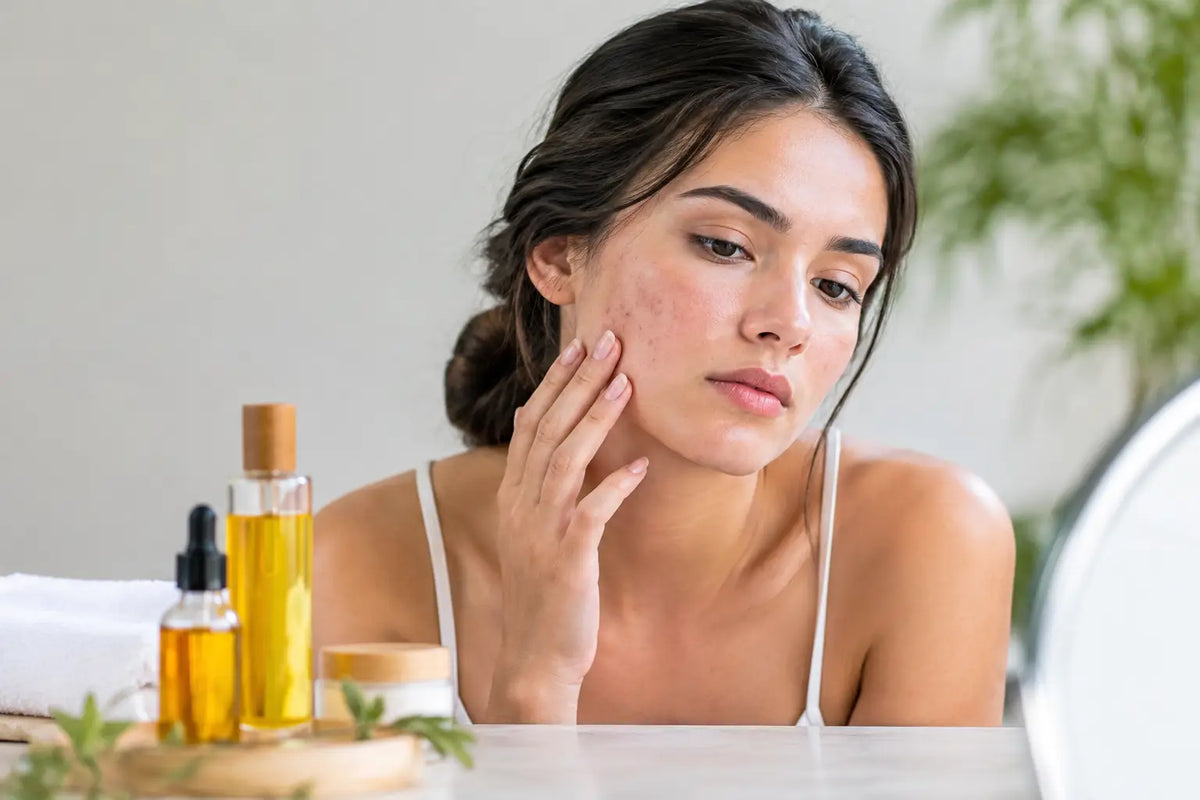














That tight, slightly itchy feeling after a shower is often your skin asking for more than a quick swipe of lotion. Natural body oil benefits can be especially noticeable when skin feels dry, dull or reactive, because oils help replenish the lipids that support a soft, comfortable skin barrier. Applied well, they turn a daily necessity into a wellness ritual that feels restorative and delivers visible results.
What natural body oil does for skin
Your skin has a protective outer layer that helps hold water in and keep everyday irritants out. Hot showers, air conditioning, winter wind, frequent washing and exfoliation can all leave that barrier feeling depleted. The result may be rough patches, ashiness, flaking or skin that seems to drink up moisturiser and still feels dry an hour later.
A well-formulated natural body oil works by softening the skin's surface and reducing moisture loss. Plant oils contain fatty acids and other naturally occurring compounds that support a supple, conditioned feel. Rather than adding water to the skin, as a water-based lotion does, an oil helps seal in the water already there. That is why it performs best on slightly damp skin.
This does not mean body oil is automatically better than body lotion. Very dry skin often responds beautifully to both: apply a hydrating cream first, then press a light layer of oil over the top to help keep that moisture where it belongs. On warmer days, or for skin that prefers a streamlined routine, body oil on damp skin may be all you need.
Natural body oil benefits worth knowing
Comfort without a heavy finish
The right blend should leave skin silky, not slick. Lightweight oils can absorb beautifully when used sparingly, helping elbows, shins, knees and arms feel comfortable without transferring onto clothing. The difference comes down to formulation, skin type and application. A few drops warmed between your palms can go much further than a generous pour.
For people who find conventional body products overpowering, a thoughtfully chosen natural oil can also make body care feel simpler. Look for a formula designed with nourishing botanical oils and a considered level of essential oils or natural fragrance. Sensitive skin usually does best with fewer ingredients and a softer scent profile.
A healthier-looking glow
Dry skin scatters light unevenly, which can make it appear flat or chalky. Conditioning oils smooth the surface of the skin, so it reflects light more evenly and looks naturally luminous. This is not the same as shimmer or a cosmetic cover-up. It is the quiet glow of skin that feels well cared for.
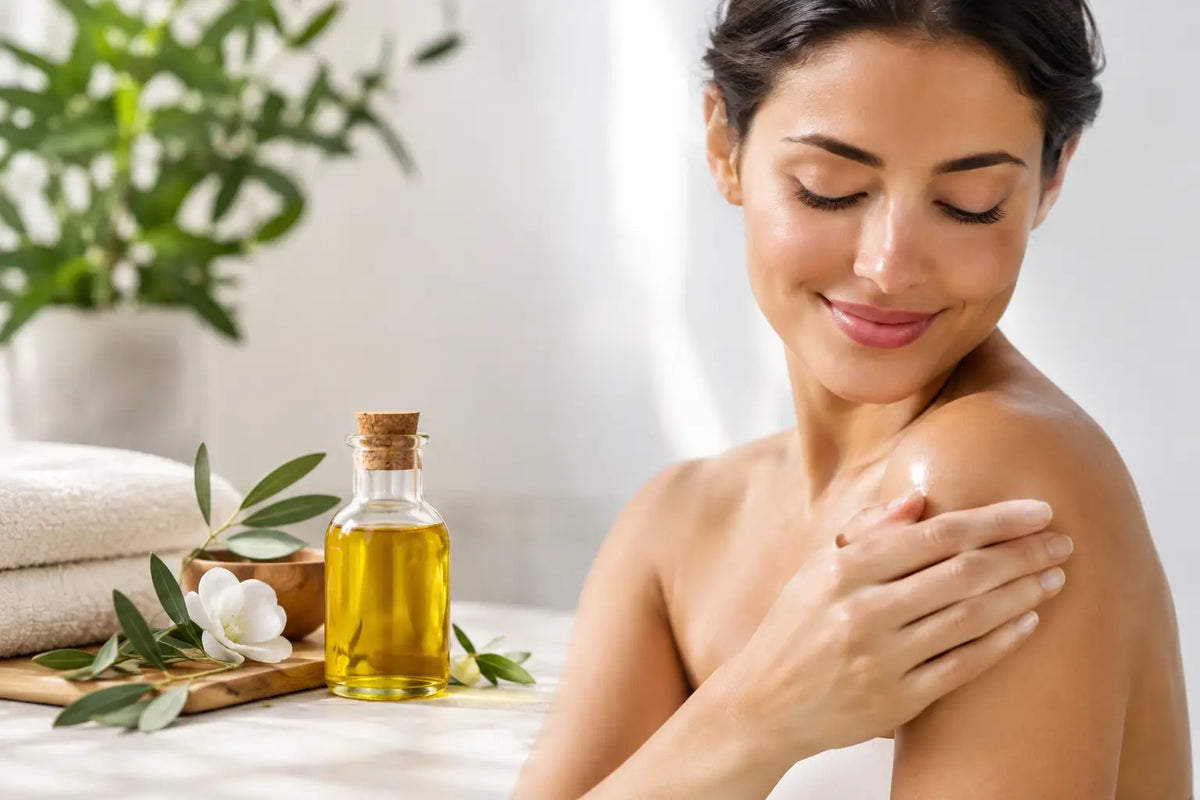
Body oil is particularly useful on areas that are often exposed, such as shoulders, décolletage, legs and arms. Massage a small amount over damp skin after showering, then allow a moment for it to settle before getting dressed. The finish should look polished, never greasy.
A moment of massage and reconnection
Body care can be practical and still feel meaningful. Taking a minute to massage oil into tired calves, dry hands or shoulders encourages you to notice what your body needs. Slow, firm strokes can feel particularly welcome after a long day at a desk, a workout or a hot bath.
This is where scent can add another layer to your ritual. Grounding, fresh or calming botanical aromas can help signal a shift from the busyness of the day into rest. Fragrance is personal, though. If you are prone to sensitivity, migraines or irritation, choose fragrance-free products or patch test carefully before making scented body oil part of your routine.
Support for changing seasonal skin
Australian skin has to contend with more than one kind of dryness. Winter can bring cold air and indoor heating, while summer means sun, saltwater, chlorine and air conditioning. Body oil gives you an adaptable step that can be used more generously in cooler months and more lightly in humid weather.
After time outdoors, it can be a comforting follow-up to a gentle shower, especially on areas that feel parched. It is not sunscreen, nor does it replace after-sun care for a burn. If skin is red, blistered or painful from sun exposure, focus on cooling care and seek medical advice where needed.
How to use body oil for the best results
Timing makes a noticeable difference. After showering or bathing, gently pat skin with a towel so it is still slightly damp, not dripping wet. Place a small amount of oil into your hands, warm it between your palms and massage it over your body in broad, even strokes. Start with the driest areas, then use what remains on the rest of your skin.
If your skin is extremely dry, layer strategically. Use a hydrating body cream on damp skin, then apply oil over the top to reduce moisture loss. This approach is useful for legs, elbows and feet, especially in winter. For normal or combination body skin, an oil alone may offer enough comfort.
Use less than you think at first. Overapplication is the usual reason body oil feels heavy. A quality oil should be easy to spread, and skin should feel smooth after a few minutes rather than coated. Give it a little time before slipping into silk, linen or close-fitting clothes.
Body oil can also work in smaller, targeted ways. Smooth a drop over cuticles, massage it into heels before bed, or apply a fine layer to legs before an event when you want a healthy sheen. Avoid applying it to the soles of your feet just before walking around, as oil can make bathroom tiles slippery.
Choosing a natural body oil that suits your skin
Natural is not a guarantee that every ingredient will suit every person. Coconut-derived ingredients, nut oils and essential oils can all be beautiful in a formula, but individual sensitivities matter. If you have a known allergy, always check the full ingredient list. If your skin is highly reactive, patch test a small amount on your inner arm for 24 to 48 hours before wider use.
Look for a formula with clear ingredient transparency and plant oils chosen for skin feel as well as nourishment. Jojoba is valued for its light, skin-friendly texture, while oils such as sunflower, sweet almond and apricot kernel can offer a rich yet comfortable finish. The ideal blend is not necessarily the one with the longest ingredient list. It is the one your skin can tolerate and you will enjoy using consistently.
Those with acne-prone skin on the chest or back may prefer lighter oils and should introduce a new product gradually. If you live with eczema, dermatitis or a persistent rash, keep your routine gentle and speak with a health professional or dermatologist about products that suit your specific condition. Body oil can support comfort, but it is not a treatment for a skin condition.
Make it a ritual that works with your body
The most effective body care is the care you actually use. Keep your body oil where your routine happens: beside the shower, near your towel or on your bedside table for hands and feet. A product such as a Black Chicken Remedies body oil can fit naturally into this kind of considered ritual, pairing botanical nourishment with the sensorial ease that makes daily care feel worth repeating.
Choose the amount, texture and scent that suit the season and your skin on that particular day. Some nights call for a quick application before pyjamas; others invite a slower massage after a bath. When body care feels less like another task and more like a small act of attention, softer, more comfortable skin tends to follow.